Oto
wykaz wszystkich stron które powinny być
dostepne pod niniejszym adresem (tj. na
tym serwerze), w zestawieniu językowym -
w 8 językach. Jest on częściej aktualizowanym
powtórzeniem stron zestawionych też w "Menu 1".
Wybierz poniżej interesującą Cię stronę
manipulując suwakami, potem kliknij na nią
aby ją uruchomić:
(Ten sam wykaz daje się też wyświetlić
z "Menu 1" poprzez kliknięcie tam na
"Menu 2".)
Oto
wykaz adresów wszystkich totaliztycznych
witryn działających w dniu aktualizacji
tej strony. Pod każdym z owych adresów
powinny być dostępne wszystkie totaliztyczne
strony wyszczególnione w "Menu 1" i
"Menu 2",
włączajac w to również ich odmienne wersje językowe
(tj. wersje w językach: polskim,
angielskim, niemieckim, francuskim, hiszpańskim,
włoskim, greckim i rosyjskim).
Najpierw więc w poniższym okienku wybierz
adres serwera z każdego masz zamiar
skorzystać manipulując suwakami, potem
kliknij na jego adres, kiedy zaś otworzy
się strona reprezentująca ów serwer
wówczas wybierz sobie z "Mednu 1" lub z
"Menu 2"
interesującą cię stronę i kliknij na nią
aby ją uruchomić i przeglądnąć:
(Niniejszy wykaz daje się też wyświetlić
z "Menu 1" poprzez kliknięcie tam na
"Menu 4".)
Jeśli przed przeczytaniem niniejszej
autobiograficznej strony czytelnik życzy
sobie najpierw oglądnąć relatywnie krótką
filmową ilustrację życiowych osiągnięć jej
autora, a stąd także ilustrację fundamentów
naukowych na których zostały oparte
wszelkie odkrycia, teorie, wynalazki i
formalne dowody wypracowane przez
autora, wówczas zachęcam go do
oglądnięcia około 35-minutowego filmu
z moim naukowym portfolio, dostępnego
(za darmo) na
YouTube.
Film ten nosi tytuł
"Dr Jan Pająk portfolio"
i jest on dostępny
po polsku,
po angielsku (in English), oraz
po niemiecku (auf Deutsch).
Niezależnie od kliknięć na zielone linki z poprzedniego zdania,
film ten można też uruchamiać z mojej strony internetowej o nazwie
djp.htm -
jaka zestawia linki i graficzne plansze startowe do wszystkich
wideów z YouTube w jakich przygotowaniu autor tej strony
osobiście uczestniczył. Szersze opisy, działające (zielone)
linki, adresy, oraz promocyjne ulotki dla tego doskonale
zaprojektowanego i wykonanego HD i HQ filmu, są
dostępne w punkcie #L5 niniejszej strony, zaś w
nawet jeszcze dogłębniejszej wersji są też dostępne
w specjalnie poświęconej wyjaśnieniu tego filmu stronie o nazwie
portfolio_pl.htm -
udostępnianej na wszystkich często aktualizowanych
totaliztycznych adresach, np. na łatwych do zapamiętania
pajak.org.nz/portfolio_pl.htm czy
totalizm.com.pl/portfolio_pl.htm.
Życzę przyjemnego oglądania tego filmu,
dr inż. Jan Pająk - autor niniejszej strony
WSTĘP:
Tak się jakoś składa, że kiedykolwiek
natykamy się na czyjś dorobek twórczy
który albo nam imponuje, albo też nas
obrusza, zwykle chcemy także poznać
i życie autora tego dorobku. Ponieważ
dzięki internetowi sporo ludzi ma okazję
poznania mojego dorobku twórczego,
poczuwam się do obowiązku aby
pozwolić im także poznać co ważniejsze
szczegóły z mojego życia. Niniejsza
strona prezentuje właśnie owe szczegóły.
Część #A:
Informacje wprowadzające tej strony:
#A1.
Jakie są cele tej strony:
Jakiekolwiek by nie były powody dla których
czytelniku zabłądziłeś na niniejszą stronę,
jednym z nich zapewne jest chęć poznania
mojego życia. Dlatego głównym celem jaki
sobie postawiłem formułując tą stronę, jest
zaprezentowanie możliwie największej
ilości informacji na temat mojego życia,
w możliwie jak najmniejszej objętości.
Kiedykolwiek zestawi się ze sobą dowolne
informacje, zawsze nieświadomie przekazuje
się wraz z nimi jakieś uczucia, poglądy, idee,
itp. W niektórych też przypadkach, zupełnie
bez naszego zamiaru, owe nieświadome
przekazy mogą u czytelnika zadominować
nad informacją którą dany tekst zawiera.
Dzieje się tak zresztą relatywnie często.
Często bowiem my sami przyłapujemy się
podczas czytania czyjegoś tekstu, że wzbudza
on w nas uczucia które są drastycznie odmiennego
rodzaju niż informacja w tekście tym zawarta.
Oczywiście, każdy taki przypadek niezamierzonego
indukowania u czytającego jakichś przekornych
uczuć, poglądów, czy idei, niweluje obiektywizm
w asymilacji przeczytanych informacji. Dlatego
dodatkowym (trudniejszym) celem jaki ja też
nałożyłem na treść tej strony, jest takie zestawienie
informacji na temat mojego życia, aby owe
nieświadome przekazy nie zagłuszały sobą
informacji które staram się przekazać treścią
pisaną. Znaczy, aby albo całkowicie te
przekazy wyeliminować, lub chociaż znacząco
je zminimalizować.
#A2.
Historia tej strony - tj. jest to już trzecia wersja niniejszej notki biograficznej:
Motto: "Najrudniej jest pisać o sobie samym."
Wszystkie tzw.
totaliztyczne strony internetowe,
włączając w to niniejszą stronę, są produktem
moich hobbystycznych badań naukowych.
(Odnotuj, że nazwa
totaliztyczne strony internetowe
wynika z faktu, iż strony te albo propagują
wysoce moralną, pokojową, postępową,
inspirującą, budującą i udoskonalającą
filozofię codziennego życia zwaną
totalizmem moralnym,
albo też prezentują tematy których zarekomendowanie
uwadze czytelnika jest postulowane właśnie przez ową
filozofię totalizmu.)
Jak też zostało to udokumentowane na
niniejszej stronie, owe
totaliztyczne strony internetowe
nie mają niemal nic wspólnego z moją
działalnością zawodową ani z moimi
miejscami pracy. Jako takie, strony te
pisane były przez długi okres czasu,
niektóre z nich datując się jeszcze z
1999 roku. Pisane też były w różnych
miejscach świata. Z czasem powstało
też ich dosyś sporo. Na samym początku
ich pisania, do treści każdej z takich nowo
napisanych totaliztycznych stron włączałem
niewielką informację "o autorze".
Informację taką ciągle jeszcze można
znaleźć np. w punkcie #H2 strony
totalizm_pl.htm - o filozofii totalizmu.
Z czasem jednak, kiedy stron tych przybywało,
doszedłem do wniosku, że zamiast za każdym
razem dodawać punkt "o autorze", raczej stworzę
jedną odrębną stronę autobiograficzną z opisami
mojego życia, potem zaś z owych totaliztycznych
stron jedynie odeślę do niej zainteresowanych czytelników.
W taki oto sposób w 2004 roku powstało pierwsze
sformułowanie niniejszej strony. (W owym
2004 roku istniało już ponad 100 odrębnych
stron totaliztycznych prezentujących około 50
odrębnych tematów. Stron tych było dużo, ponieważ
każdy z tematów które one prezentowały był
tłumaczony na co najmniej 2 języki, tj. polski
i angielski, niektóre zaś tematy były tłumaczone
aż na 6 odmiennych języków. Do dzisiaj
opracowanych już zostało ponad 200 takich
totaliztycznych stron prezentujących około 90
tematów.)
Gdyby owej pierwszej wersji mojej autobiograficznej
strony "o autorze" z 2004 roku usiłować nadać
jakiś reprezentujący ją tytuł, wówczas możnaby
ją zatytułować za każdym dorobkiem i ideą
stoi zwykły człowiek. (To m.in. dlatego,
pisząc jakąś istotną informację o swojej
filozofii totalizmu,
niekiedy obiektywnie i dodatkowo staram
się też poinformować czytelnika, że jest to
"najmoralniejsza
obecnie nowoczesna filozofia świata wypracowana
empirycznie przez człowieka" -
obiektywnie rzecz bowiem biorąc, istnieje nawet
jeszcze bardziej moralnie poprawna niż totalizm
filozofia świata: jest ona opisana w treści
Biblii,
zaś jej faktycznym autorem jest sam Bóg.)
Wszakże tamta strona "o autorze" streszczała
moje życie. Odpowiadała ona mniej więcej treści
części #B z niniejszej strony. Jednak w 2005 roku
zaszły dosyć przykre dla mnie zmiany w moim
życiu. Mianowicie, ponownie straciłem wówczas
pracę. Z kolei narastająca depresja ekonomiczna
i sytuacja społeczna w kraju w którym mieszkałem
zapowiadała, że minie dużo czasu zanim znajdę
następną. Na dodatek okazało się, że zgodnie z
prawami owego kraju nie kwalifikuję się na zasiłek
dla bezrobotnych. Nie tylko więc zapowiadało
się, że długo nie będę miał pracy, ale na dodatek
wyglądało na to, że będę musiał żyć ze swoich
uprzednich oszczędności. Taka właśnie sytuacja
braku zatrudnienia i braku źrodła dochodu
w mojej nowej ojczyźnie powracała do mnie
jak zepsuty szeląg. Gdybym nie zdecydował
się szukać chleba poza jej granicami, w mojej
nowej ojczyźnie byłbym niemal tyle samo
czasu bezrobotnym co byłem tam zatrudnionym.
Dlatego w 2005 roku postanowiłem przeredagować
niniejszą stronę. Owej drugiej, przeredagowanej jej
wersji możnaby nadać tytuł jeśli jakiś rodzaj
negatywnych zdarzeń powtarzalnie wraca do nas
w życiu jak przysłowiowy "zepsuty szeląg", wówczas
przestaje on być przypadkiem, a staje się czyjąś
ukrytą ingerencją w nasze życie z której to
ingerencji należy zacząć zdawać sobie sprawę
i powyciągać z niej właściwe wnioski. W owej
drugiej przeredagowanej formie, z taką właśnie
myślą przewodnią, strona ta dostępna była
w internecie aż do czasu upowszechnienia
zaprezentowanego tutaj jej trzeciego
przeredagowywania, które dokonane
zostało w marcu 2008 roku.
Jak wszystko co moralne, pokojowe i postępowe, także
filozofia totalizmu
oraz związane z nią idee upowszechniane przez
totaliztyczne strony, mają wielu wrogów. Podczas
licznych dyskusji internetowych które prowadziłem
z tymi wrogami w 2007 i na początku 2008 roku,
zorientowałem się, że jednym z istotniejszych źródeł
amunicji którą owi wrogowie totalizmu i idei z
totalizmem związanych używali dla obrzydzania tych idei
u innych ludzi, było właśnie sformułowanie niniejszej
strony z 2005 roku. Dlatego w marcu 2008 roku
postanowiłem ponownie, po raz już trzeci, przeredagować
niniejszą stronę. Owo najnowsze jej przeredagowanie,
zaprezentowane tutaj, możnaby zatytułować
każde zdarzenie w naszym życiu posiada
przyczyny które są odpowiedzialne za jego
spowodowanie, oraz skutki które ono samo
spowoduje.
W trakcie trzeciego przeredagowywania niniejszej
strony w marcu 2008 roku, starałem się też
przeredagować ujęcie opisów tej strony. Mianowicie,
poprzednie dwie wersje tej strony pisane były
w sposób jaki w środowisku akademickim typowo
jest używany do formułowania autobiografii -
tj. pisane jakby z punktu widzenia trzeciej osoby,
która analizuje nasze życie. Tymczasem obecna,
trzecia wersja tej strony pisana jest z mojego
własnego punktu widzenia - tj. prezentowana
tak jak ja subiektywnie widzę swoimi oczami,
odczuwam, wierzę i rozumiem poruszane tu sprawy.
Za każdym razem kiedy zmiana mojej sytuacji
życiowej domagała się zmiany lub uaktualizowania
niniejszej strony autobiograficznej, zawsze uświadamiałem
też sobie, że przeredagowanie tej strony przychodzi mi
z ogromną trudnością. Wiele lat temu przypadkowo
słyszałem jak ktoś prominentny twierdził coś w rodzaju,
że "mówienie o sobie samym przychodzi mu łatwo stąd
jest w stanie mówić o sobie samym całymi godzinami".
W moim jednak przypadku jest zupełnie odwrotnie -
mianowicie pisanie o sobie samym przychodzi mi z
największą trudnością. Stąd w miarę kompletne opisanie
mojego życia kosztuje mnie wiele wysiłku i zajmuje
bardzo dużo czasu. Uważam jednak, że winny jestem
czytelnikowi jakąś rzetelną i autoryzowaną przez
siebie informację na swój własny temat. Stąd chociaż
z wielkimi oporami i trudem, ciągle starałem się
opracować tą stronę tak sumiennie jak tylko zdołałem.
Część #B:
Ogólny przebieg mojego życia:
#B1.
Przebieg mojego życia:
Życie każdego człowieka podobno daje się
streścić jednym słowem. W moim przypadku
słowem tym zapewne byłaby "walka" albo
"zmaganie się". Zmaganie mojego
życia zaczęło się jeszcze na długo zanim
miałem się urodzić. Jakaś "mroczna moc"
najwyraźniej nie chciała abym pojawił się
na tym świecie. Stąd życie obojga moich
rodziców często ratowane musiało być cudem.
Przykładowo, na króko przed wojną jakiś
bandzior strzelał w głowę mego ojca z
odległości zaledwie około dwóch metrów -
i ciągle chybił. Natomiast podczas wojny
mój ociec wzięty został do niewoli i
umieszczony w obozie jeńców wojennych z
Peenemunde -
wyspie słynnej potem z jej pocisków rakietowych
"V2" oraz ich wyrzutni. Oczywiście, podczas
spartaczonego bombardowania Peenemunde
nocą 17 na 18 sierpnia 1943 roku, owych niemal
1000 alianckich ciężkich bombowców nie rozróżniało
pomiędzy wyrzutniami V2, montownią pocisków,
a obozem więźniów wojennych. Ojciec potem
opowiadał, że nawet woda wówczas tam się paliła,
zaś w całym Peenemunde nie dało się potem
zobaczyć nawet jednej całej cegły. Czystym jednak
cudem mój ojciec wyszedł bez szwanku. Ponieważ
niemal wszyscy zostali wtedy tam zabici, zaś płoty
obozu zniszczone, on sam opuścił obóz i wybrał
się piechotą do domu - ciągle ubrany w pasiastą,
obozową "piżamę". Nie doszedł jednak daleko,
bo zatrzymali go na pobliskim moście przez rzekę.
Na szczęście, zamiast z miejsca go rozstrzelać -
jak to mieli w zwyczaju czynić z uciekinierami
z obozów, nie mogli się oprzeć ciekawości aby
wybadać jakie powiązania mój ojciec ma z aliantami
skoro ci pozostawili go żywym, podczas gdy nawet
owych usilnie chronionych niemal 800 niemieckich
naukowców, a także niemal wszyscy pracownicy
niemieckich służb i niemal wszyscy jeńcy wojenni,
zostali wybici. (Mój ojciec do końca swego życia
wierzył, że był jedynym który wyszedł z życiem z
tamtego bombardowania Peenemunde. Już po
jego śmierci doczytałem się jednak w internecie,
iż owo bombardowanie przeżyło też kilku innych
ludzi.) Potem ojciec się skarżył, że podczas tego
śledztwa nie tylko iż dwóch w czarnych mundurach
tak się męczyło okładaniem go pałkami, że aż musieli
bić go na zmiany, ale że również nakazywali mu aby
na głos liczył w ichnim języku każde uderzenie jakie
mu zaserwowali. Nas słuchanie tych opowiadań
śmieszyło, bowiem NIE potrafiliśmy sobie wyobrazić
jak to się czuje, kiedy bomby spadają wokoło tak
gęsto jak wiosenny grad, kiedy wszystko się pali
(nawet woda), zaś powietrze jest zapełnione jak
żołnierska zupa wyrzucaną wybuchami ziemią,
szrapnelami eksplodujących bomb, oraz odłamkami
rozrywanych eksplozjami budynków. Ponieważ
Niemcy NIE doszukali się jednak żadnej "konspiracji"
w wyjściu mojego ojca z obozu, wzięli pod uwagę
jego talent "złotej rączki" i pozostawili go żywym,
a tylko odesłali ponownie "na roboty" technicznego
naprawiania najróżniejszych urządzeń.
Z kolei moja matka na krótko po wojnie
zanim zaszła w ciążę, skaleczyła obie swoje nogi
na ściernisku i dostała w nich zakażenia czymś
czego wówczas lekarze nie potrafili ani nazwać
ani wyleczyć. Obecnie prawdopodobnie nazwano
by to "flesh eating bacteria" (tj. "bakteria zjadająca
ciało ludzkie"). Typowo ludzie od tego bardzo szybko
umierają. Gdyby więc i moja matka wówczas umarła,
ja nigdy bym nie otrzymał szansy aby się urodzić.
Matka jednak jakoś przeżyła - chociaż owa bakteria
zjadała stopniowo jej nogi praktycznie aż do końca
jej życia. W ten sposób owa "mroczna moc" nie
dopięła jednak swego i dane mi było się urodzić.
Urodziłem się w 1946 roku w maleńkiej
wioseczce która przez najdłuższy okres
czasu nazywała się
Wszewilki.
(Wioska ta często bowiem zmieniała swoją nazwę -
obecnie nazywa się
Stawczyk.)
Na temat owej wioseczki napisałem nieco więcej
w następnym punkcie tej strony. Po urodzeniu
mieszkałem we Wszewilkach aż do 18 roku
swojego życia, tj. od 1946 roku aż do 1964 roku,
czyli aż do czasu kiedy wybrałem się na studia
do pobliskiego miasta
Wrocławia.
Mój ojciec był mechanikiem o zdolnościach
tzw. "złotej rączki". Znaczy, naprawiał on wszystko
co tylko się popsuło w promieniu dziesiątków
kilometrów od naszego domu, zaczynając
od zegarków i zegarów, poprzez rowery i
różne maszyny, a skończywszy na ogromnych
silnikach gazowych jakie napędzały pompy
w milickich starych wodociągach (zdjęcie
wraz z opisami tych wodociągów, pokazane
jest na "Fot. #D2a" ze strony o nazwie
wszewilki.htm).
Faktycznie to był on nawet zatrudniony
przez gazownię w pobliskim miasteczku
Miliczu
aby utrzymywał owe stare wodociągi miejskie
w stanie działającym. Obecnie się zastanawiam,
jak on właściwie mógł mnie tolerować, jako
że cokolwiek zreperował jednego wieczora,
natychmiast ja rozmontowywałem to następnego
dnia kiedy on był w pracy, aby zobaczyć jak
to działa. Oczywiście, nie zawsze też zdołałem
potem to poskładać z powrotem tak aby działało
jak powinno. Szczególnie trudnymi do poskładania,
tak aby potem działały, okazywały się być małe,
szwajcarskie zegarki, co do których wszyscy
się zgadzają, że są one "bardzo dobre". (Ja
dopiero w listopadzie 2015 roku odkryłem ową
generalną zasadę moralną, która stwierdza,
jeśli ktoś o wyższej
od nas wiedzy, możliwościach i doświadczeniu
wykonał coś, co już jest uznane za "bardzo dobre",
wówczas my NIE powinniśmy tego zmieniać ani
próbować to "udoskonalać", bo to popsujemy.
Natychmiast też po odkryciu tej zasady moralnej
opisałem ją w punktach #A1 do #A5 swej strony o nazwie
cooking_pl.htm -
używając w swym opisie przykładu dzisiejszego
zatruwania żywności przez naukowców, polityków
oraz przez innych domorosłych "usprawniaczy".
Niestety, przestrzegania tej istotnej moralnej
zasady ludzkość musi się dopiero nauczyć - co
staram się też uświadomić m.in. w punkcie #G2.3 strony
healing_pl.htm.)
Po tym więc jak doświadczyłem aż kilkakrotnie
jak po powrocie z pracy mój ojciec reaguje na
widok rozmontowanych zegarków, które on
naprawił jedynie noc wcześniej, zwolna
nauczyłem się powstrzymywać swoją pokusę
dowiedzenia się co właściwie powoduje
że owe zegarki tykają.) Owo praktyczne podejście
do wszystkiego od strony zasady działania i budowy
wewnetrznej pozostało mi z dzieciństwa na całą
resztę życia. Na wszystko też później patrzyłem
własnie z tego punktu widzenia - znaczy jak to
jest skonstruowane, jak to działa, jak to daje się
zbudować, itp. W swoich badaniach naukowych
zawsze też byłem praktykiem, który fizycznie
eksperymentuje, mierzy, buduje, wykonuje, docieka, itp.,
a nie który jedynie opowiada czy rysuje. Niestety,
po wyemigrowaniu z Polski NIE było mi dane
kontynuować tej praktycznej tradycji, bowiem
się okazało, że w krajach
Zachodnich naukowcy ani ludzie z mojego środowiska
niczego sami NIE budują praktycznie, a jedynie
o tym wygłaszają czysto teoretyczne mowy.
Moja matka była gospodynią domową -
skromny geniusz matematyczny. Była ona
w stanie liczyć w pamięci niemal tak samo
szybko jak to czynią dzisiejsze komputery.
Jej zdolności obliczeniowe zawsze szokowały
sprzedawców w sklepach, dostarczając wiele
uciechy mi i mojej siostrze z którą często
towarzyszyliśmy mamie w wyprawach na zakupy.
Pierwsze lata mego życia dominowane były przez
"zmaganie się", oraz przez niebezpieczeństwa.
Moi rodzice byli bardzo biedni - tylko z trudnością
jakoś przeżywali. Zaś na mnie jakby jakaś "mroczna
moc" uparcie polowała. Tylko do czasu
ukończenia szkoły podstawowej zapamiętałem
siedem zdarzeń kiedy omal nie straciłem życia -
włączając w to "przypadkowe" przestrzelenie
mojej czapki na głowie z dubeltówki we wsi
Cielcza w 1957 roku - opisane także w punkcie
#H2 strony
god_proof_pl.htm
oraz w punkcie #G2 strony
cielcza.htm
(ocalałem wtedy tylko dzięki koledze który
przejął swoim ciałem niemal cały ładunek).
Z kolei do chwili obecnej naliczyłem się już
około trzydziestu takich przypadków. Najbardziej
szokujący z nich miał miejsce w Nowej Zelandii
13 listopada 1990 roku, kiedy to pojechałem na spotkanie
z moim przyjacielem, Gary Holden, mieszkającym w
Aramoana.
Na szczęście jakiś cud tajemniczo zmusił mnie
abym zawrócił w swej drodze - w przeciwnym
wypadku z całą pewnością bym zginął w masakrze,
która wówczas zaczęła się właśnie w domu Gary'ego.
Moja edukacja podążała typowym kursem
komunistycznej Polski. Najpierw (w 1953 roku)
zacząłem uczęszczać do szkoły podstawowej nr
1 w pobliskim miasteczku
Miliczu
(w owym czasie mającym około 6000 mieszkańców).
Jednak już wówczas Bóg przygotowywał moje losy
na życie nieustającego podróżnika. Stąd w Miliczu
uczęszczałem jedynie do klas pierwszej, drugiej i
czwartej. Do trzeciej klasy uczęszczałem w szkole ze wsi
Wszewilki.
Klasę piatą ukończyłem we wsi
Cielcza.
Natomiast klasy szóstą i siódmą ukończyłem
w pobliskiej do mojej maleńkiej rodzinnej wsi
Stawczyk,
nieco większej wsi o nazwie "Stawiec". (To w
owym Stawcu, jak posądzam, wówczas ciągle
mieścił się sztab główny działających wtedy
w okolicach Milicza ogromnie efektywnych
niemieckich partyzantów zwanych
Werwolf,
tj. "Wilkołaki", jakich metody walki
warto byłoby poznać na przyszłość - po
szczegóły patrz punkt #E2 z mojej strony o nazwie
wszewilki.htm.
Być więc może, że niektórzy moi ówcześni
koledzy szkolni ze Stawca, faktycznie byli
dziećmi partyzantów "Werwolfu" - z czego
oczywiście NIE zdawałem sobie sprawy.)
Swą podstawówkę ukończyłem w 1960 roku.
Potem zacząłem uczęszczać do szkoły średniej
(od 1960 do 1964 roku), którą było jedyne wówczas
Liceum Ogólnokształcące w Miliczu.
Maturę zdałem w 1964 roku. Świadectwo
maturalne upoważniało mnie do wstępu na
wyższe uczelnie. Wybrałem studia na
Politechnice Wrocławskiej,
która w owym czasie była jedną z najbardziej
renomowanych uczelni w Polsce. (Na bazie
swojej obecnej znajmości poziomu nauczania
w innych uniwersytetach świata, ja osobiście
wierzę, że w owym czasie była ona nie tylko
najlepszą uczelnią w Polsce, ale jednocześnie
i jedną z najlepszych uczelni na świecie - po
szczegóły patrz punkt #E1 na stronie o nazwie
rok.htm.)
W owym czasie przypadało około 12 kandydatów
na każde wolne miejsce z owej Politechniki. Stąd
jedynie zdanie egzaminów wstępnych okazało się
ogromnym sukcesem. Studiowałem tam od 1964
roku do 1970 roku. Przez ostatni rok studiów
otrzymywałem specjalne "stypendium naukowe"
zarezerwowane tylko dla kilku najlepszych studentów.
Stypendium to upoważniało do zostania
zatrudnionym na uczelni po zakończeniu studiów.
Swoje dorosłe życie w socjalistycznej Polsce
rozpocząłem w 1970 roku po otrzymaniu dyplomu
"magister inżynier mechanik" z Politechniki Wrocławskiej.
Zostałem wówczas zatrudniony przez tą politechnikę
najpierw jako assystent stażysta, potem jako asystent,
dalej jako starszy asystent, zaś po obronie swej pracy
doktorskiej w 1974 roku - jako adiunkt ("adiunkt"
w Polsce jest odpowiednikiem dla tzw. "Reader"
z angielskiego systemu uniwersyteckiego).
Gdyby spróbować jakoś nazwać tamten okres
w moim życiu, możnaby go tytułować "sukcesy
zawodowe nie poparte poczuciem spełnienia".
Szybko wspinałem się w hierarchii akademickiej.
Studenci uwielbiali moje dobrze przygotowane
i nowoczesne wykłady - w 1981 roku wybierając
mnie nawet "wykładowcą roku". Z kolei przełożeni
doceniali moją biegłość w najnowszej technice
i wielodoscyplinarną ekspertyzę. W kraju szybko
wyrobiłem sobie opinię jednego z najlepszych
ekspertów w zakresie sterowania numerycznego,
oprogramowania inżynierskiego, oraz komputeryzacji.
Byłem autorem jedynego wówczas w całym kraju
komputerowego języka do programowania obrabiarek
sterowanych numerycznie. Moja wysoka ekspertyza
w aż dwóch dyscyplinach (tj. w inżynierii mechanicznej
i w informatyce) spowodowała że stałem się
poszukiwanym specjalistą i wiele zakładów pracy
ubiegało się o moje usługi. W sumie pracowałem
więc na uczelni na pełnym etacie i równocześnie
w przemyśle na pół etatu. Materialnie powodziło mi
się też relatywnie dobrze jak na ówczesne warunki.
Był to jedyny okres w moim życiu kiedy posiadałem
duże, wygodne i nowoczesne mieszkanie z ładnym
umeblowaniem, oraz z własnym gabinetem do pracy.
Miałem też samochód Fiata 126p. Każde wakacje
spędzałem na przyjemnych wczasach. Żyłem też
w systemie politycznym, który nie na darmo nazywany
był "socjalizmem". W miarę swoich możliwości
państwo zaspokajało w nim bowiem najważniejsze
potrzeby narodu. Przykładowo, każdy miał w nim
gwarancję pracy i źródła utrzymania. Cała edukacja
i służba zdrowia były za darmo otwarte dla każdego.
Ich jakość ciągle była wówczas relatywnie wysoka -
tj. zdecydowanie wyższa niż w każdym z krajów w
którym przyszło mi żyć i pracować już po opuszczeniu
Polski. Państwo przyjmowało też na siebie odpowiedzialność
za dostarczenie każdemu mieszkania, transportu
publicznego, opieki nad dziećmi, oraz wypoczynku
wakacyjnego. W rezultacie tego wszystkiego,
nie wiedziałem wówczas co to poczucie bycia
niechcianym, własnej bezwartości i bezsilności,
perspektywa bezrobocia w nieskończoność,
czy braku pieniędzy na podstawowe potrzeby.
Ani też mi, ani innym rodakom, nie były wówczas
znane narkotyki, bezdomność, desperacka
przestępczość, itp. Jednak system polityczny
w którym żyłem stwarzał niepokoje innego rodzaju.
Wynikały one głównie z dyktatorstwa (zamordyzmu)
i "rządów pięści", które ówczesny rząd praktykował
wobec rządzonego przez siebie narodu.
Przykładowo z okna mojej sypialni widać było
brzegi ogromnego poligonu na którym stacjonowały
wyrzutnie SSki z głowicami atomowymi. (W
dzisiejszych czasach też stoją tam nuklearne
wyrzutnie, tyle że poustawiane dla odmiany
przez państwo w które tamte SSki były
wycelowane.) Wszystkim w okolicy było
więc wiadomym, że mieszkamy "na nuklearnej
tarczy". Wszakże w przypadku jakiegokolwiek
konfliktu, było pewnym, iż te wyrzutnie będą
najpierw niszczone bombami atomowymi
strony porzeciwnej. Mogło więc się zdarzyć,
że po czyimś "zaswędzeniu palca" nasz dom
zwyczajnie by został odparowany. Inne czynniki
które też psuły ówczesne poczucie spełnienia
życiowego, była tzw. "propaganda sukcesu",
brak sprawiedliwości (szczególnie ustawianie
rządzących "ponad prawem"), brak wolności
prasy i wolności wypowiedzi, głuchota rządzących
na petycje narodu oraz wynikająca z tej głuchoty
postępująca demoralizacja polityczna.
Najtrudniejsze do przełknięcia były jednak
pogłębiające się pustki w sklepach. Z braku
doświadczenia życiowego i z nieznajomości
innych ustrojów, w tamtych czasach wszyscy
wierzyliśmy, że te problemy i napięcia wynikają
z wad samego ustroju. Nie wiedzieliśmy wtedy
jeszcze, że dokładnie takie same problemy, a
nawet dodatkowo i inne, jeszcze gorsze, mogą
dawać się ludziom we znaki w praktycznie każdym
ustroju - tyle tylko, że wyzwalane tam będą nieco
odmiennymi mechanizmami. Wówczas NIE istniał
też jeszcze przykład 21-wiecznych Chin, które
empirycznie udowodniły, że mądrymi reformami,
które stoją w zgodzie z wymaganiami Boga, każdy
system daje się udoskonalać i wcale NIE trzeba go
obalać aby uczynić w nim swe życie przyjemniejszym.
Ponieważ każda akcja wyzwala odpowiedającą
jej reakcję, w rezultacie owych "rządów pięści"
i usterek ustroju jaki nas otaczał, w prawie całym
narodzie którego byłem cząstką zaczęło narastać
życzenie transformacji z socjalizmu do innego,
lepszego ustroju. Jedynym zaś innym ustrojem
który wówczas istniał, był kapitalizm.
W 1980 roku tornado zmian politycznych
zaczęło zmiatać Polskę. Najpierw powstała
"Solidarność". Potem niemal każdy patriotyczny
Polak stał się jej członkiem. Ja byłem jednym
z pierwszych jej członków. Potem nastał "stan
wojenny" i wyniszczanie Solidarności. W owym
czasie wszystkich dziwiło, że po każdym spotkaniu
z Lechem Wałęsa, wszyscy aktywiści Solidarności
uczestniczący w owym spotkaniu zawsze zostawali
aresztowani. Sprawa wyjaśniła się dopiero w
2008 roku, kiedy to dwaj polscy badacze historii,
S. Cenckiewicz i P. Gontarczyk, opublikowali
książkę "The Secret Police and Lech Wałęsa",
780 stron, w której ujawnili dokumentację iż
przywódca Solidarności, zaś późniejszy Prezydent
Polski i laureat Nagrody Nobla, faktycznie był
kolaborantem tajnej policji i że to właśnie owa
tajna komunistyczna policja awansowała
go do wszystkich tych honorów. (Książka
ta i jej konsekwencje omawiane były m.in.
w artykule [1#B1] o tytule "Walesa
fingered as a communist spy" (tj. "Wałęsa
wytknięty jako szpieg komunistów"), ze strony A20 gazety
The New Zealand Herald,
wydanie z czwartku (Thursday), June 26, 2008.)
Nic dziwnego, że owa oryginalna Solidarność
szybko została utopiona w zdradzie i intrygach.
Kiedy zaś Solidarność została utopiona, ja utonąłem
wraz z nią. "Polowanie na czarownice" zostało rozpoczęte
w Polsce. Jak to było z każdym byłym działaczem
Solidarności, moje życie znalazło się wówczas w
niebezpieczeństwie. Któregoś dnia byłem nawet
ścigany i niemal postrzelony przez policję. Z
pomocą dobrych przyjaciół zdołałem opuścić
Polskę i wyemigrować do Nowej Zelandii - zanim
reżymowi udało się mnie na czymś złapać i wysłać
na Syberię. Wylądowałem w Nowej Zelandii w 1982
roku. W rok później byłem już jej tzw. "permanent
resident", czyli osoba uprawniona tam do pracy
zarobkowej. W 1985 roku zostałem obywatelem
Nowej Zelandii.
Życie na emigracji w epoce dobrobytu
oczywiście było nieporównanie łatwiejsze i
przyjemniejsze niż w komunistycznej Polsce.
W czasach mojego wyemigrowania z Polski,
Nowa Zelandia była rządzona przez doskonałego
przywódcę, który postępował najmoralniej ze
wszystkich przywódców pod jakich rządami przyszło
mi żyć. Nazywał się on Sir Robert Muldoon
(1921-1992) i był on Prime-Ministrem Nowej Zelandii
od 1975 do 1984 roku. Nowa Zelandia przechodziła
wówczas przez okres jednej z najlepszych
sytuacji ekonomicznych i socjalnych w całej swojej
historii. Początkowo więc bez trudu znajdowałem
tam pracę. Przez pierwszy rok (tj. 1982) pobytu
na emigracji zatrudniony byłem na
Canterbury University
ze słonecznego i pięknego miasta Christchurch.
Miałem spore szczęście aby tam pracować, bowiem
Christchurch moim zdaniem jest najpiękniejszym,
klimatycznie najprzyjemniejszym, oraz najlepiej
zlokalizowanym miastem w całej Nowej Zelandii.
(Nazwa "Christchurch" oznacza "Kościół Chrystusa".
Niestety, mieszkańcy Christchurch wzięci razem
jako jeden tzw. "intelekt grupowy", NIE spełniają
swym zachowaniem staropolskiego powiedzenia,
że szlachectwo zobowiązuje - co wyjaśniam
szerzej m.in. w punkcie #G2 swej strony o nazwie
przepowiednie.htm
oraz w niemal całej swej stronie o nazwie
quake_pl.htm.)
Z kolei przez następne cztery lata
(tj. 1983 do 1987) pracowałem na
Southland Polytechnic
w Invercargill - tj. w najbardziej na południe
wysuniętym dużym mieście świata. Miałem
szczęście, że tam wylądowałem, bowiem
mieszkańcy Invercargill okazali się najbardziej
mili, gościnni, przyjaźni dla emigrantów, oraz
otwarto-głowi z mieszkańców wszystkich miast
Nowej Zelandii w jakich dotychczas mieszkałem.
(Aby dać tu jakieś pojęcie o otwartości ich
umysłów, to ze wszystkich uczelni świata i
Nowej Zelandii na jakich kiedykolwiek pracowałem,
jedynie na Politechnice w Invercargill poproszono
mnie abym podjął oficjalne wykłady dla miejscowej
ludności - nabór na jakie ogłaszano w miejscowej
gazecie, jakie poświęcone były prezentowaniu
wyników moich naukowych badań UFO.) Na dodatek,
w owym czasie Nowa Zelandia była niemal rajem
na Ziemi. Doskonałe rządy przywodzącego jej
mądrego i wysoce moralnie postępującego
Sir Robert'a Muldoon powodowały, że praca
była praktycznie dla każdego, w kraju rozwijał
się przemysł, oraz istniało tam duże
zapotrzebowanie na wysokich specjalistów
z moim poziomem eksperyzy. Rząd Muldoon'a
budował tak dużo nowych fabryk, elektrowni, dróg,
budynków publicznych, itp. - że później nawet
po ponad ćwierć wieku rozsprzedawania, zamykania,
zaniedbywania, biurokratyzowania, oraz zaduszania
przez następne rządy, ciągle nie wszystkie z nich
dały się zniszczyć, zbankrutować, lub wygonić
z kraju. Ulice pełne były tam wówczas roześmianych,
zadowolonych z życia, oraz szczęśliwych ludzi.
Do Nowej Zelandii emigrowali ludzie z Europy,
USA, Australii i z innych bogatych krajów świata,
zaś emigracja odpływowa niemal tam nie istniała.
(Przykładowo, Sir Robert Muldoon cytowany
był w wielu publikacjach za swoje słynne wówczas
powiedzenie, że "Nowozelandczycy którzy emigrują
do Australii podnoszą poziom IQ w obu tych krajach" -
objaśniając to jego powiedzenie, dyplomatycznie i humorystycznie
ono implikuje, że dzięki ich emigracji, NZ pozbywa się osób
o najniższym IQ, zaś Au uzyskuje osoby o najwyższym IQ.)
Nowozelandzki dolar był wtedy równy dolarowi USA.
Sklepy były pełne wszelkich nowoczesnych dóbr, większość
których była wytwarzana na miejscu, zaś ludzie mieli
pieniądze aby je kupować. Monopoli ani karteli jakie
obecnie zaduszają Nową Zelandię niemal na śmierć
wcale wtedy tam NIE było. Przestępczość niemal
tam nie istniała - np. większość Nowozelandczyków
wyjeżdżających na miasto zostawiała drzwi domów
zapraszająco otwarte. Edukacja i opieka zdrowotna
była za darmo dla każdego. Praktykowana też
tam była prawdziwa wolność prasy oraz szczera,
rzeczowa, bezbłędna i pozbawiona propagandy
informacja rządowa.
W czasach kiedy jako uczestnik Solidarności
narażałem swoje życie dla urzeczywistnienia
systemu społecznego który byłby "lepszy" od
socjalizmu, miałem dosyć klarowne wyobrażenie
jak taki lepszy system powinien wyglądać.
Po przybyciu do Nowej Zelandii z miłym dla
siebie zaskoczeniem odkryłem, że
rządy
Sir Robert'a Muldoon
faktycznie urzeczywistniały taki "idealny" moim
własnym zdaniem system polityczny.
Dlatego ja osobiście należę do niewielkiej liczebnie
grupy tych co admirują wielkość i genialność owego konsystentnie
moralnie postępującego męża stanu. Moim zdaniem,
gdyby zamiast niewielką Nową Zelandią ten ogromnie
zdolny, mądry i moralnie postępujący przywódca
rządził np. Stanami Zjednoczonymi lub Rosją,
swoimi osiągnięciami przyćmiłby tam
wszystkich największych przywódców świata,
włączając w to Kennedy'ego i Piotra Wielkiego.
Kiedyś zupełnie też nie mogło mi pomieścić się
w głowie "dlaczego?" przywódca za którego rządów
Nowa Zelandia była szczytem dobrobytu i rajem
na Ziemi, w czasach swych rządów miał aż tak
silną opozycję, zaś do dzisiaj ma aż tak niską
opinię w oczach swoich własnych ziomków.
(Faktycznie to wszyscy naprawdę wybitni
Nowozelandczycy cieszą się niską opinią
u swoich ziomków - jako inny przykład
rozważ potraktowanie, które za życia otrzymywał
Richard William Pearse,
albo rozważ opisane w (2) z punktu #M3 strony
fe_cell_pl.htm
potraktowanie jakie od ziomków otrzymywał Ernst Rutherford.)
W 2009 roku wypracowałem jednak odpowiedź
na owo pytanie "dlaczego?", oraz wyjaśniłem
tą odpowiedź w "części #G" strony internetowej
eco_cars_pl.htm - o wynalazkach bezzanieczyszczeniowych samochodów,
oraz w punkcie #C4.2 innej swej strony o nazwie
morals_pl.htm.
(Mianowicie, przeszkody i prześladowania dotykające
każdą twórczą osobę wprowadzającą postęp
na Ziemi, wynikają z zasady działania tzw.
"pola moralnego"
które powoduje, że "w krótkoterminowym działaniu
owego pola każde moralne postępowanie ludzkie
musi przełamywać się wzdłuż tzw. 'linii największego
oporu', tj. oporu który jest najsilniejszy ze wszystkich
możliwych rodzajów oporu jakie oponenci owej formy
postępu są w stanie przeciwstawić danemu twórcy
postępu".) Cokolwiek jednak sami Nowozelandczycy
by nie twierdzili o moim zdaniem najlepszym przywódcy
kraju jakiego kiedykolwiek mieli, ja osobiście dziękuje
Bogu że chociaż tylko przez okres 2 lat, ciągle dana
mi jednak była szansa aby doświadczyć przyjemności
i honoru doświadczania życia w kraju pod jego rządami.
Niestety, w 1984 roku partia owego doskonałego
przewódcy Nowej Zelandii została pokonana w
wyborach. Jego wygłodzona opozycja dorwała
się do władzy. Na kraj ten nadeszła więc czarna
era upadku ekonomicznego, bezrobocia, wypaczeń
i tzw. "propagandy sukcesu" jaką doskonale
znam z życia w komuniźmie. Z kolei życie
w kraju który właśnie upada ekonomicznie
przestaje być uciechą. W lutym 1988 roku,
czyli w początkowym okresie władzy nowych
rządzących, kiedy sytuacja w kraju nie stała
się jeszcze krytyczna, zmieniłem pracę i
przeniosłem się na
Otago University.
Uniwersytet ten był zlokalizowany w niewielkim,
chronicznie zimnym, starym, brudnym, zachmurzonym
i deszczowym miasteczku Dunedin, gdzie główną
masową rozrywką jest upijanie się. Tuż przed
tym kiedy pierwsze oznaki depresji ekonomicznej
uderzyły Nową Zelandię, w 1990 roku straciłem
jednak i tą nową pracę - faktycznie to byłem z niej
wyrzucony za odkrycie, zbadanie i popularyzowanie
eksplozji UFO koło NZ miasteczka Tapanui - tak jak
opisałem to we wstępie i w punkcie #B5 swej strony o nazwie
tapanui_pl.htm.
Przez następne 2 lata byłem bezrobotnym.
Okazały się to być najbardziej przygnębiające
i przepełnione niepewnością jutra dwa lata w
całym moim dotychczasowym życiu. Proszę
sobie wyobrazić jak ja wówczas się czułem.
Żyłem wtedy samotnie w ciągle jeszcze dosyć
obcym mi kraju. Miasto Dunedin okazało się
być wiecznie zimną, zachmurzoną i deszczową
mieściną, którą Anglicy opisują zwrotem
"one horse city" (tj. "miasto jednego konia"),
w której nie ma żadnych rozrywek pod dachem
zaś pogoda jest zbyt przygnębiająca aby czynić
cokolwiek na wolnym powietrzu. Nie miałem
tam ani pracy ani źródła dochodu. Przez
niemal dwa lata nie otrzymywałem zasiłku
dla bezrobotnych. W owym czasie praktycznie
wszystko stało się też tam "user paid" (tj. "opłacane
przez użytkownika") - znaczy nawet wizyta u
lekarza czy w szpitalu wymagała znaczących funduszy.
Moje oszczędności szybko topniały. Najbliższe
życzliwe mi dusze, które mogły by mi pomóc
gdybym wpadł w jakieś kłopoty, znajdowały
się na odwrotnej półkuli, czyli w Polsce. A na
domiar złego wokoło siebie obserwowałem
zawzięte rozmontowywanie systemu społecznego
dla którego zupełnie niedawno narażałem swe
życie jako aktywista Solidarniości. Nowa Zelandia
przechodziła bowiem wówczas bardzo
brutalną zamianę panującej tam poprzednio
dbałości o człowieka, na istniejącą tam obecnie
dbałość o dochód i o kapitał. Praktycznie wszystko
co dobrego kraj ten osiągnął podczas mądrych
i zaradnych rządów Sir Robert Muldoon zaczęło
być tam systematycznie rozmontowywane
i niszczone. Zaczęło się od sprzedaży asetów,
czyli sprzedaży wszystkiego co poprzednio
należało do rządu. Rozprzedane więc zostały
fabryki, budynki, koleje państwowe, itp. Kiedy
obserwowałem te zdarzenia, wysoce dla
mnie szokujący okazał się program telewizyjny
który ujawnił, że ze wszystkich tych wyprzedaży
państwowych własności jedynie mniej niż 5%
ich wartości pieniężnej faktycznie trafiło do
kasy państwowej. Reszta ceny pokrywała tzw.
koszty marketingu, sprzedaży, poszukiwań,
konsultantów, itp. (znaczy - w pełnej glorii prawa
i legalności lądowała w prywatnych kieszeniach).
Z tego co nie dało się sprzedać, np. elektrowni,
sieci elektrycznej, czy telefonów, formowano
przedsiębiorstwa na własnym rozrachunku.
Za wszystko też zaczęto domagać się opłat,
włączając w to nawet sprawy które stanowią
tradycyjną odpowiedzialność rządu, takie
jak opieka zdrowotna, czy edukacja. Oczywiście,
bez opieki państwa, większość fabryk
zbankrutowała. Te zaś co przetrwały, z upływem
czasu tak były trapione podatkami, biurokracją
i tzw. "red tape" (tj. nieprzyjaznymi prawami), że
zaczęły przenosić się za granicę. Zaczęło się więc
galopujące bezrobocie. Brak pieniędzy u ludzi
spowodował że opustoszały i poupadały sklepy.
Upadek sklepów w połączeniu z brakiem pieniędzy
u ludzi spowodował upadek drobnego rzemiosła,
wytwórczości, oraz usług. To z kolei zabiło wszelką
kompetycję i współzawodnictwo. Niemal wszystko
stało się czyimś monopolem. Z kolei monopole
mają ten brzydki zwyczaj, że bezzasadnie podnoszą
one ceny a obniżają jakość. Z kolei nieuzasadniony
wzrost cen spowodował galopującą inflację. Wartość
dolara nowozelandzkiego spadła do około 40 centów
USA. Desperacja zakradła się wśród ludzi. Zaczął
się lawinowy wzrost przestępczości. Ulice miast
opustoszały. W wielu miejscach gdzie zaledwie
kilka lat wcześniej wieczorami chodniki były
przepełnione światłami, stolikami kawiarni, oraz
spacerującymi, szczęśliwymi i zadowolonymi
z życia ludźmi, straszyć wówczas zaczynały ciemne
oczodoły zabitych deskami okien wystawowych.
Wobec beznadziejności sytuacji wielu zaczęło
szukać ucieczki w alkoholu i narkotykach. Aby
nadal móc chwalić się sukcesem, wolność
publikatorów została zerodowana zaś rzetelna
informacja została zastąpiona rządową "propagandą sukcesu"
w stylu, który znałem tak dobrze z czasów komunizmu.
Przykładowo, zamiast za liczbę bezrobotnych
podawać ilość ludzi którzy chcą pracować jednak
brak dla nich pracy, propaganda ta zaczęła wówczas
podawać (oraz podaje tak do dzisiaj) ilość ludzi,
którym władze przyznały zasiłek dla bezrobotnych.
Z kolei dostęp do owego zasiłku dla bezrobotnych
dawał się już manipulować na papierze bez
zmniejszenia liczby faktycznych bezrobotnych.
Zaczęła też się masowa ucieczka (emigracja)
ludności z Nowej Zelandii np. do Australii.
Wzmiankowania tutaj jest też warty tzw. szok kulturalny.
Wszakże ów szok kulturalny jest jak "jet-leg" -
tyle że oddziaływuje on na nasze zwyczaje, nawyki,
postawy i filozofie zamiast na zegary biologiczne.
Praktycznie też każdy emigrant przez niego przechodzi.
Ponadto, podobnie do "jet-leg", im dalej od kraju urodzenia
się emigruje, thym silniejszy ów szok kulturalny się staje.
Z kolei niemal nie istnieją dwa kraje bardziej od siebie
oddalone niż Polska i Nowa Zelandia. Na szczęście,
szok kulturalny zmniejsza się z upływem czasu.
Obecnie mogę być dumny, że niemal go pokonałem.
Jednak zawsze pozostają jakieś obszary, szczególnie
w zakresie jedzenia, smaku, domów, oraz postaw życiowych,
które nie chcą zaniknąć. Dla przykładu, praktycznie do
teraz mam smak na owe dziesiątki odmiennych rodzajów
polskich kiełbas, które nie tylko są nazywane odmiennie,
ale także i smakują drastycznie inaczej. Ciągle mi też
brakuje polskich suchych budynków które mają dobre
ogrzewanie, w których ludzie nie czują się mokrzy i
zmarznięci, które są dobrze zaizolowane termicznie
aby utrzymywać tanio temperaturę 23 stopni, oraz
które są budowane z cegieł i cementu, a nie z mokrej
dykty. Nie mogę też nawyknąć do polityków, których
działania typowo polegają na unikaniu podejmowania
decyzji, na częstym promowaniu swych kolegów szkolnych,
na obejmowaniu swych pozycji głównie dla ignorowania
opinii większości narodu i na zamawianiu niezliczonych
raportów przygotowanych przez komisje drogich ekspertów -
których stwierdzeń nikt jednak potem NIE bierze pod
uwagę. Ponadto jakoś nie mogę nawyknąć do pustych
chodników po 5 wieczorem, do ogromnej ilości sportu
w telewizji i w codziennym życiu, do uwypuklania ciała,
do braku szacunku do osiągnięć intelektu, ani do tych
ogłoszeń w TV które wmawiają oglądającym, że
najlepszy styl życia polega na NIE czynieniu niczego.
Po dwóch latach bezrobocia bez otrzymywania "doli",
w 1992 roku ja sam też zdecydowałem się opuścić
Nową Zelandię aby szukać zarobku poza jej
granicami. Tak zaczęła się moja tułaczka
po świecie w poszukiwaniu chleba. Kiedy miałem
już zakupione bilety lotnicze, w końcu zaczęto wypłacać
mi zasiłek dla bezrobotnych (tj. "dolę"). Zostałem
więc postawiony w sytuacji, że po kilku tygodniach
brania tego iluzorycznego zasiłku ("doli") musiałem z
niego sam dobrowolnie zrezygnować. Zdecydowałem
się bowiem, że już nie zmienię swoich planów
tułaczki w poszukiwaniu chleba. (Gdybym zasiłek
ten otrzymywał od samego początka, nigdy nie
zdecydowałbym się na tą tułaczkę za chlebem.)
Po opuszczeniu Nowej Zelandii podpisywałem
aż trzy kolejne kontrakty na profesury uniwersyteckie.
Pierwszym z nich był kontrakt z roku akademickiego
1992/3 na stanowisko Associate Professora w
Eastern Mediterranean University
z miasta Famagusta na Północnym Cyprze.
Kontrakt ten dał mi okazję dla osobistego poznania
i doświadczenia na sobie śródziemnomorskiej
kultury, przyrody i chwalebnej historii. Mieszkałem
bowiem przy brzegu pięknego morza, zaledwie
kilka kilometrów od starożytnego miasta Salamis
i historycznego miasta Famagusta (oba te miasta
nadal otoczone są starymi murami). Kilka interesujących
fotografii z owej profesury pokazane jest na moim
35 minutowym biograficznym filmie o tytule "Dr
Jan Pająk portfolio" upowszechnianym za darmo w
YouTube.
Następny trzeletni kontrakt podpisałem w 1993
roku na stanowisko Associate Professora w
University Malaya
w Kuala Lumpur, Malezja. Ten dał mi okazję do
posmakowania wielkomiejskiego życia we wspaniałej
metropolii w której samej mieszka niemal tyle ludzi
co w całej Nowej Zelandii, która buszuje życiem,
nigdy nie śpi, ma nieopisaną liczbę rozrywek i
atrakcji do oglądania, oraz której poziom techniki
i nowoczesności należy do najwyższych w świecie.
Ostatnim był mój dwuletni kontrakt też na stanowisko
Associate Professora który podpisałem w 1996 roku z
University of Malaysia Sarawak
z pięknego miasta Kuching w malezyjskiej prowincji
Sarawak na tropikalnej wyspie Borneo. Ten kontrakt
dał mi poznać jak wspaniała jest natura w tropiku,
oraz jak serdeczni i przyjacielscy są ludzie żyjący
blisko tej natury. Ludzie na Borneo byli aż tak
przyjaźni i aż tak mili, oraz czynili moje życie aż tak
przyjemnym, że gdybym mógł chętnie zostałbym
tam przez resztę swego życia. To na Borneo doświadczyłem też wspaniałego
zjawiska, które opisałem na stronie
nirvana_pl.htm - o totaliztycznej nirwanie.
Niestety, wkróce po rozpoczęciu kontraktu na Borneo
cały obszar południowo-wschodniej Azji objęty został
tzw. "Kryzysem Azjatyckim". W jego wyniku wartość
miejscowych pieniędzy spadła do jedynie około
30% ich początkowej wartości. Około dwie-trzecie
moich zarobków z obu kontraktów w Malezji po
prostu zniknęło wówczas jakby wyparowało. Na dodatek,
kraje obezwładnione tym kryzysem nie mogły
już sobie pozwolić na wynajmowanie zagranicznych
profesorów. Stąd kiedy mój kontrakt na Borneo
się zakończył, nie było już szans na podpisanie
następnego.
W końcu 1998 roku powróciłem więc do Nowej
Zelandii. Zaczął się dla mnie okres życia który
jest dokonale opisany przez angielskie przysłowie
żebrakowi nie wolno być grymaśnym
(tj. "a beggar cannot be choosy"). Poczynając od
1999 roku ponownie udało mi się zabezpieczyć
dla siebie pracę w Nowej Zelandii. Niestety nastąpiło
to za słoną cenę. Wszakże rolniczo nastawiona
Nowa Zelandia z wówczas niemal zupełnie już
zniszczonym przemysłem nie potrzebowała ludzi
z moją ekspertyzą techniczną. Stąd oddawała
mi wielką przysługę, że wogóle miała jakieś
zatrudnienie dla mnie. Wylądowałem więc
na najniższej pozycji akademickiej jaka
była dostępna na miniaturowej
Aoraki Politechnice
z maleńskiej mieściny nowozelandzkiej
zwanej Timaru. Politechnika ta była
najmniejszą uczelnią w jakiej kiedykolwiek
pracowałem. Niemniej praca na niej okazała
się najbardziej trudna i stresująca. Panowała
w niej duszna atmosfera kumoterstwa
i popierania wyłącznie "swoich". Była jedynym
miejscem mojej pracy, w którym odciągano z
moich zarobków koszt "usługi" dostarczania
mi listów jakie były do mnie wysłanie na adres
tej uczelni, oraz w którym moje prywatne listy
były otwierane przed dostarczeniem mi pod
wymówką, że uczelnia musiała sprawdzić czy
nie dotyczą one studentów jakim tam wykładałem.
Uczelnia ta praktykowała też niepisaną zasadę,
że wykładowcom NIE wolno oblewać jej studentów,
a wszyscy studenci muszą zdawać egzaminy -
o której to zasadzie otwarcie mi jednak NIE
powiedziano, a zmuszano mnie abym sam
się jej domyślił poprzez przepuszczanie mnie
przez najróżniejsze dyscyplinarne śledztwa
i kary za każdym razem kiedy oblałem któregoś
co bardziej niedouczonego z ich studentów
(które to oblanie uczelnia ta potem i tak
unieważniała). Uczelnia ta była też aż tak
mała, że ja sam w swojej uprzedniej
karierze zawodowej wykładałem w sumie
więcej odmiennych przedmiotów niż ich
oferowano wszystkim studentom owej
politechniki. Niestety, pod koniec 2000
roku zostałem zwolniony z nawet owej
najniższej pozycji. Powodem zwolnienia
jaki wówczas mi zakomunikowano, był
raptowny i niespodziewany spadek liczby
studentów na owej politechnice. Ja miałem
jednak intuicyjne wrażenie, że dodatkowym
powodem tego zwolnienia było odkrycie
moich przełożonych, iż poziom mojej
ekspertyzy, kwalifikacji i doświadczenia niepomiernie
przekracza wymogi pozycji którą zajmowałem,
a to z kolei napełniło ich obawą o ich własne
pozycje. To wrażenie zostało potem potwierdzone,
kiedy w parę miesięcy po moim odejściu werbunek
wykładowcy na moją uprzednią pozycję był ponownie
ogłaszany w gazetach. Odszedłem stamtąd z
rodzajem ulgi, bowiem atmosfera pracy była
tam najgorsza ze wszystkich miejsc w jakich
pracowałem w całym swoim życiu. Z żadnej
też innej uczelni, w krótkim przedziale tylko
paru lat nie odeszło aż tylu co tam wykładowców.
(W marcu 2016 roku uczelnia ta została
zlikwidowana.) Od dnia 12 lutego 2001 roku
zacząłem pracować jako akademik (po
angielsku: "academic staff member") na
Wellington Institute of Technology,
zlokalizowanym na przedmieściu stolicy Nowej
Zelandii, czyli w Petone pod Wellington - także
będąc zatrudniony na najniższej pozycji akademickiej
jaka była tam dostępna. Już w pierwszym roku
pracy otrzymałem od kierownictwa uczelni
zaszczytne wyróżnienie "team member of
the year" (tj. jakby "najbardziej koleżeński
pracownik roku"). W Wellington pracowałem
aż do 23 września 2005 roku, kiedy to ponownie
zwolniono mnie z pracy z wyjaśnieniem, że liczba
studentów tej uczelni raptownie spadła. Faktycznie
też ów spadek był wówczas aż tak znaczny, że stał
się łatwym do odnotowania nawet gołym okiem -
od początka 2005 roku uczelnia ta stała się niemal
zupełnie pusta. Z opowiadań innych kolegów
dowiedziałem się także, że wyraźnie odludniły
się też wówczas niemal wszystkie uczelnie Nowej Zelandii.
Prawdopodobnie powody dla tego pustoszenia
nowozelandzkich uczelni były komplesowe i
obejmowały szereg czynników, m.in. wysokie
opłaty pobierane przez uczelnie od studentów,
brak pracy dla ludzi z wysokim wykształceniem,
niski poziom akademicki miejscowych uczelni
który spowodował że niektóre kraje (np. Chiny)
zaprzestały wysyłanie swoich stypendystów do
tego kraju, itd., itp. Ja osobiście jednak wierzę,
że najważniejszym z powodów tego opustoszenia
uczelni stała się masowa emigracja odpływowa
(tj. ucieczka ludności). Wszakże od czasów kiedy
w Nowej Zelandii zaczął się upadek ekonomiczny,
nastały tam też czarne lata trwającej aż do dzisiaj
coraz szybszej ucieczki za granicę młodych i
ambitnych Nowozelandczyków. Ucieczka ta
jest masowa, zaś jej uczestnicy to najbardziej
ambitni, zdolni i zaradni młodzi ludzie, czyli
poraktycznie "sól narodu". Przykładowo, około
2008 roku corocznie uciekało do Australii niemal
1 procent całej populacji około cztero-milionowej
Nowej Zealndii - po szczegóły patrz artykuł [2#B1]
o tytule "28,000 a year leave for Aust." - tj. "28000
ludzi na rok ucieka do Australii", ze strony A1 nowozelandzkiej gazety
The Press,
wydanie z wtorku (Tuesday), February 5, 2008.
Po tej ostatniej utracie pracy w 2005 roku, nadal
nie traciłem nadziei że coś jednak znajdę. Stąd
niemal cały czas poświęcałem na szukanie
swojej następnej stałej pracy. Niestety, nawet
do czasu kolejnego przeredagowywania
tej strony w marcu 2008 roku, takiej stałej
pracy nie udało mi się już znaleźć. Jedyne
co przerwało moje nieustające bezrobocie,
to krótkie, bo tylko 10 miesięczne, zaproszenie
na pozycję pełnego profesora uniwersytetu w
Korei Południowej.
Koreańczycy okazali się najmilszym narodem
jaki dotychczas poznałem w swoim życiu,
zaś poziom ich technologii - najwyższym z
jakim dotychczas praktycznie się zetknąłem.
Równie fascynująca i warta poznania była też
kultura i historia Korei. Dlatego ową krótką
profesurę w Korei wspominam z taką samą
przyjemnością i sentymentem jak pracę na
przemiłym Borneo. Profesura w Korei początkowo
miała potencjał aby zostać przedłużoną.
Jednak wkrótce po jej rozpoczęciu rząd
Korei uchwalił prawo, że wizytujący ten kraj
zagraniczni profesorowie mogą być tam
zatrudniani tylko jeśli ich wiek nie przekracza
60 lat. Ja zaś miałem wówczas już 61 lat.
Na szczęście, owo wcześniejsze zaproszenie
mnie na profesurę jeszcze przed uchwaleniem
tego prawa zostało uhonorowane i pozwolono
mi tam pracować przez pełną długość 10
miesięcy.
Po powrocie do NZ z Korei okazało się, że wobec
coraz silniejszej depresji ekonomicznej, która
panowała wówczas (i nadal panuje) w Nowej
Zelandii, moje niemal 6-letnie bezrobocie
bez otrzymywania zasiłku dla bezrobotnych,
rozpoczęte w dniu 23 września 2005 roku,
musiało trwać aż do czasu kiedy stanę się
uprawniony do otrzymywania emerytury.
Pechowo też, jakiś czas wcześniej, dla
zaoszczędzenia kilku groszy, kolejny rząd
Nowej Zelandii wydłużył przechodzenie na
emeryturę aż do wieku 65 lat. Nie mieli
(ani nie mają) też w NZ opcji
"wcześniejszego odejścia na emeryturę",
która to opcja istnieje w wielu innych krajach,
czasami nawet znacznie biedniejszych od NZ,
np. w Malezji. Tak więc się stało, że z uprzednich
swych oszczędności, jakie na swe szczęście
przezornie poczyniłem, przyszło mi żyć aż
przez niemal 6 następnych lat, czyli aż do 2011 roku.
Podobnie bowiem jak podczas poprzedniego
długiego okresu mojego bezrobocia z lat
1990 do 1992, w latach 2005 do 2011 także
znalazły się jakieś przepisy (tym razem inne)
według których zasiłek dla bezrobotnych też
mi się nie należał. Z artykułu [3#B1]
o tytule "Ease rules on dole for couples
say economists", tj. "ulżyj prawa do doli
dla par zaleca ekonomista"
(The New Zealand Herald,
Monday, June 29, 2009, str. A1) wynikało, że
owe przepisy stworzyły sytuację, iż w Nowej
Zelandii tylko około 32% faktycznych bezrobotnych
otrzymuje zasiłek-dolę (dla porównania w Australii
dolę otrzymuje 99% bezrobotnych). To zaś z jednej
strony powoduje, że ponad dwie-trzecie populacji
Nowej Zelandii musi się więc liczyć z sytuacją, iż
jeśli stracą pracę wówczas zasiłek dla bezrobortnych
jakby wogóle dla nich NIE istniał. Z drugiej zaś
strony to oznacza również, że aż kilka dotychczasowych
rządów które "bezrobotnych" definiowały jako "ludzi
którzy otrzymują zasiłek dla bezrobotnych", oficjalnie
chwaliło się poziomem bezrobocia w Nowej Zelandii
który nie reprezentował nawet jednej trzeciej
faktycznego bezrobocia tego kraju. Nic też dziwnego
że sytuacja zwykłych Nowozelandczyków pobudza
reflekse w rodzaju tych wyrażonych w artykułe
[4#B1] o tytule "MPs cut everything in
public service except own spending" (tj. "Posłowie
na sejm powycinali wszystko z pomocy dla społeczeństwa
oprócz wydatków na siebie") ze strony A1 gazety
The New Zealand Herald,
wydanie z piątku (Friday), June 26, 2009.
Tak więc oto ponownie zmuszony byłem przez
6 lat żyć z poprzednich swych oszczędności
i to nie mając już nadziei na znalezienie jakiejkolwiek
pracy. Na szczęście dla mnie, moją moralną podporą
była świadomość, że na przekór powtarzalnie
trapiącego mnie bezrobocia, na przekór konieczności
życia z dawnych oszczędności, oraz na przekór
marnowania przez społeczeństwo mojej wiedzy,
ekspertyzy, wynalazków, oraz wszechstronnej
edukacji, ciągle raz w swoim życiu osiągnąłem
poziom i tytuł pełnego profesora na renomowanym
uniwersytecie. Z kolei z zostaniem profesorem
jest jak z zostaniem generałem - znaczy
"raz profesor, zawsze już profesor".
Jedno stało się więc pewne, mianowicie że bez
względu na to jak potoczą się moje dalsze losy,
ciągle mogę mieć moralną satysfakcję, że chociaż
bezrobotnym, nadal pozostaję byłym pełnym
profesorem z renomowanego uniwersytetu w
Korei, oraz odpowiednikiem polskiego profesora
nadzwyczajnego z trzech innych uniwersytetów
z Cypru, Malezji i Borneo.
Dopiero od dnia 25 maja 2011 roku, czyli po osiągnięciu
wieku 65 lat, zaczęła mi się oficjalnie należeć
nowozelandzka emerytura. Nie jest
ona duża - żartobliwie o niej stwierdzają, że
wynosi ona zbyt
mało aby z niej wyżyć, a zbyt wiele aby na niej
umrzeć z głodu. Niemniej ja i moja
żona jesteśmy nawykli do oszczędnego życia,
jakoś więc sobie radzimy. W 2012 roku, licząc
że NIE będę już więcej zmuszony wędrować
"za chlebem", ze swoich wcześniejszych
oszczędności kupiłem sobie w końcu małe
mieszkanko "spółdzielcze" o powierzchni
49 metrów kwadratowych, z jednym sporym
pokojem-kuchnią, małą sypialnią i łazienką,
oraz z miniaturowym ogródkiem (jakiego
doskonalenie jest jednym z moich obecnych
zajęć). Mieszkanko to jest w małym odrębnym
domku z ogródkiem, wygląd jakiego to domku
został wiernie zreprodukowany na "Rys. #A3a(K6) - góra"
z mojej strony o nazwie
magnocraft_pl.htm.
Domek z moim mieszkaniem jest zlokalizowany tylko
kilkaset metrów od brzegu morza w NZ miasteczku zwanym
Petone,
położonym około 8 km od centrum stolicy NZ, czyli
od miasta Wellington (właściwie to jest ono jednym
z przedmieść Wellington). Prowadzę w nim ciche
życie, chociaż wcale NIE pozbawione częstych
emocji, nadal kontynując swoje uniklalne badania,
oraz udoskonalając swój ogródek - tak jak
opisałem to i zilustrowałem m.in. na swej stronie
solar_pl.htm,
oraz w punkcie #R2 i na "Fot. #R2" ze swej innej strony o nazwie
quake_pl.htm.
W 2014 roku wystawiłem swoją kandudaturę
jako tzw. "Niezależny" (tj. bezpartyjny) kandydat
do parlamentu NZ, uzyskując trochę ponad
113 głosów - który to fakt dobrze prezentuje
mój biograficzny film
"Dr Jan Pająk portfolio",
oraz moja strona o nazwie
pajak_do_sejmu_2014.htm.
Potem jednak odkryłem, że Biblia zabrania
osobom wierzącym aktywnego udziału w
rządzeniu innymi ludźmi - zaś praktykowanie mojej
filozofii totalizmu
nakazuje mi pedantyczne przestrzeganie Biblii.
Dlatego w przyszłości NIE zamierzam już
wystawiać swej kandydatury w żadnych
wyborach - tak jak wyjaśniłem to we
"wstępie" i w "części #J" swej strony o nazwie
pajak_dla_prezydentury_2020.htm.
Jedyne więc co nadal będę kontynuował przez
tak długo jak Bóg mi na to pozwoli, to rozwijanie
swych "hobbystycznych" badań realizowanych
zgodnie z zasadami wypracowanej przez siebie
nowej nauki totaliztycznej oraz publikowanie
uzyskiwanych wyników.
Historie życiowe wszystkich ludzi jakich dotychczas
badałem zawierają w sobie tzw. morał.
Ów "morał" wynika z faktu, że Bóg celowo
tak kształtuje życie każdej osoby, aby dla tych
co poznają owo życie zawsze dostarczało
ono jakiejś istotnej lekcji moralnej.
Jeśli więc dobrze się przyglądnąć moim własnym
losom i perypetiom życiowym, wyraźnie "morał"
taki z nich również się wyłania. Widać go w uporze
i w konsekwencji z jakimi "coś" powoduje,
że gdziekolwiek bym się nie udał, cokolwiek
bym nie zaczął czynić, jakieś postronne
i niezależne ode mnie "mroczne moce"
sprawiają, że zawsze kończy się to
przegraną i odebraniem mi wszelkich szans
na zrealizowanie tego co w swoim życiu
chciałbym osiągnąć. Faktycznie to nawet
jeśli w swym życiu cokolwiek wygrałem,
wówczas poza jednym wyjątkiem, jaki wraz
z najważniejszymi życiowymi wygranymi
opisałem w punkcie #D2.1 swej strony o nazwie
eco_cars_pl.htm,
nigdy owa wygrana NIE była mi dawana.
Taki koniec "przegranej bitwy" dla niemal
wszystkich przedsięwzięć mojego życia
jest wysoce wymowny. Szczególnie jeśli
się zaaakceptuje, że celem i misją tego
życia mogło być zrealizowanie i wdrożenie
przynajmniej kilku z owych przełomowych
wynalazków i intelektualnych osiągnięć,
które opisałem w częściach #D do #H
tej strony. Wszakże cokolwiek nas w
życiu dotyka, zawsze ma to jakieś
przyczyny. Przyczynami zaś owego
pasma powtarzalnych upadków, które mnie
bez przerwy prześladują, może przecież być
fakt, że gdybym w życiu natknął się na właściwy
klimat intelektualny i na właściwe warunki
badawcze, wówczas zapewne bym jednak
zrealizował i urzeczywistnił sporą część z
tego co opisałem w częściach #D i #E tej
strony. Tymczasem realizacja tych wynalazków
byłaby wysoce nie na rękę owym "mrocznym
mocom". Dlatego nikogo nie powinno dziwić, że
faktycznym morałem wynikającym z przebiegu
mojego życia są wnioski które opisałem na stronie
mozajski.htm.
#B2.
Losy mojej rodziny, a historia wsi
Wszewilki:
Maleńka wioseczka
Wszewilki,
w której ja się urodziłem w 1946 roku, jest
częścią prastarej prowincji Polski nazywanej
"Dolnym Śląskiem". Jednak przez spory okres
czasu, bowiem od 1741 roku kiedy niemal
cały Śląsk był aneksowany przez Prusy, aż
do zakończenia drugiej wojny światowej w
1945 roku, cały Dolny Śląsk, włączając w to
wioseczkę Wszewilki i jej okolice, były częścią
Niemiec. Wioska Wszewilki leży trochę
ponad 50 km na północ od miasta
Wrocławia -
które jest stolicą owej prowincji. Dolny Śląsk,
jak czytelnik zapewne wie, leży w południowo-zachodniej
części dzisiejszej Polski, niedaleko do Niemiec
i do Czech.
Po zakończeniu drugiej wojny światowej,
niemal wszyscy mieszkańcy wsi
Wszewilki
w której ja się urodziłem, oraz innych okolicznych
miejscowości, zostali wymienieni na nowych.
Wszakże dawni obywatele niemieccy mieszkający
na owych ziemiach niemal do końca wojny,
uciekli w głąb niemiec przed nacierającą
Armią Radziecką. Po wojnie zaś zostali
zastąpieni przez ludność napływową z
obszaru Polski i z przedwojennej polskiej
Ukrainy. W rezultacie tej całkowitej wymiany
ludności, wiedza o historii i tradycji Wszewilek
niemal całkowicie zaginęła. Dziwnym jednak
obrotem losu, moja matka znalazła się wśród
polskiej ludności napływającej na te ziemie
z obszaru przedwojennej Polski. Zaś moja
matka znała te okolice bardzo dobrze.
Wywodzenie się wielu pokoleń moich przodków
po kądzieli z okolic Wszewilek, Stawczyka i Milicza
powoduje, że z rodzinnych opowiadań ja poznałem
wiele faktów na temat historii tych ziem. Prawdopodobnie
jestem więc jednym z nielicznych nadal żyjących
ludzi, którzy znają historię tych ziem z rodzinnej
tradycji mówionej. To dlatego jako rodzaj
patriotycznego obowiązku uważałem spisanie
historycznych faktów które ciągle są mi znane.
Te znane mi historyczne fakty dotyczące wsi
Wszewilki spisałem na kilku totaliztycznych
stronach internetowych, np. na stronach
wszewilki.htm - o wsi Wszewilki,
stawczyk.htm - o wsi Stawczyk koło wsi Wszewilki,
milicz.htm - o miesteczku Miliczu,
bitwa_o_milicz.htm - o bitwie w czasie wyzwalania Milicza, oraz
sw_andrzej_bobola.htm - o kościele Św. Andrzeja Boboli w Miliczu,
wszewilki_milicz.htm - o zwiedzaniu wsi Wszewilki i miasta Milicza.
Na jednej z owych totaliztycznych
stron, mianowicie na stronie
wszewilki_jutra.htm - o moich marzeniach na temat przyszłości wsi Wszewilki,
ja nawet otwarcie marzę jak wspaniale by to
było gdyby Wszewilki mogły kiedyś się zdobyć
na odbudowanie swojego starego ryneczka
który został celowo zniszczony około 1875 roku.
A przynajmniej aby mogły odbudować sobie
dawny kościółek który istniał przy owym
ryneczku, a także zbudować nowe muzeum.
1 rok (1947)
9 lat (1955)
12 lat (1958)
18 lat (1964)
25 lat (1971)
30 lat (1976)
35 lat (1981/5)
40 lat (1986/12/22)
45 lat (1991)
50 lat (1996/10/18)
58 lat (2004/7/19)
69 lat (2015/2/10)
Fot. #1. Oto jak mój wygląd (tj. wygląd
dra inż. Jana Pająk) zmieniał się z
upływem czasu. Wszakże w świecie
rządzonym przez wszechwiedzącego
Boga, w jakim to świecie my żyjemy,
nic NIE jest dziełem jedynie przypadku -
tak jak dotychczas usiłują nam to wmówić
niektórzy zawodowi "luminarze nauki".
W takim bowiem świecie absolutnie
wszystko, w tym także nasz wygląd,
jest nieskończenie mądrze i przewidująco
zaprojektowane przez Boga i stanowi
wynik działania aż całego szeregu
precyzyjnych zasad, reguł i praw.
Przykładowo, sporym szokiem okazuje się
być moje odkrycie, że naszym
wyglądem, a także praktycznie wszystkim
co definiuje przebieg, jakość i cechy naszego
życia, rządzą te same prawa jakie rządzą też
zachowaniami tzw. "pola moralnego" -
tj. pola precyzyjnie opisywanego np. w punktach
#C4.2 i #C4.2.1 mojej strony o nazwie
morals_pl.htm,
zaś skrótowo podsumowanego np. w punktach
#B3 i #B4 innej mojej strony o nazwie
pajak_na_prezydenta_2020.htm.
(Owo "pole moralne" m.in. powoduje, że czynienie
tego co zgodne z kryteriami moralnymi
zawsze wymaga wkładania znaczącego
trudu i wysiłku. Natomiast czynienie tego
co łamie sobą kryteria moralne, zawsze
jest łatwe i przyjemne.) Innymi słowy, o tym
jak aktualnie wyglądamy w danym okresie
swego życia, a także np. jakie nosimy nazwisko,
imię, gdzie się urodziliśmy i zamieszkujemy,
kim są nasi rodzice, rodzina, przyjaciele, koledzy,
jakie wydarzenia i losy życiowe nas dotykają,
itd., itp., rządzą te same mechanizmy moralne,
które m.in. też powodują, że w krótkoterminowym
działaniu "pola moralnego" wszystko co jest
zgodne z kryteriami moralności (tj. wszystko
co jest "moralne") wymaga wkładania w to
naszego wysiłku i motywacji, zaś wszystko
co łamie sobą kryteria moralności (tj. wszystko
co jest "niemoralne") przychodzi nam
bezwysiłkowo, przyjemnie i łatwo. To też
właśnie owo wynikanie aktualnego wyglądu
poszczególnych ludzi z działania precyzyjnych
zasad, reguł i praw powoduje, że wygląd
każdego z nas zawsze też definiuje jak inni
ludzie mają się do nas odnosić, wyznacza
nasz los, uczy i informuje, odzwierciedla
nasz wiek, cechy charakteru, stan duchowy,
nastawienie do życia, historię i tryb
życia, warunki w jakich żyjemy, zadanie
jakie Bóg nam wyznaczył do zrealizowania
w naszym życiu, itp. Powyżej
zestawiłem więc zdjęcia wyglądu
mojej twarzy wykonywane w kilkuletnich
odstępach od siebie, jakie ilustrują jak
twarz ta zmieniała się wraz z upływem
czasu. (Pod każdym zdjęciem przytoczyłem
swój przybliżony wiek w jakim zostało
ono wykonane.) Zdjęcia te są dodatkowo
poszerzone ilustracjami mojego wyglądu
pokazanymi na filmie z
YouTube
do jakiego oglądnięcia zachęcam poniżej
w punkcie #L5. W połączeniu więc z
opisami z niniejszej strony oraz stron
z nią związanych, czytelnik zapewne
będzie w stanie prześledzić i doświadczyć
jak przebieg, cele i osiągnięcia mojego
życia, Bóg dokumentował i kontrolował
m.in. z pomocą nieustannie zmieniającego
się wyglądu mojej twarzy. Z kolei po
poznaniu na moim przykładzie praw
i zasad rządzących związkiem czyjegoś
wyglądu z cechami życiowymi jakie od
wyglądu tego zależą, czytelnik będzie
też w lepszej sytuacji, aby potem te same
prawa i zasady móc odnosić do wyglądu
i cech życiowych innych ludzi.
Odnotuj tu jednak, że w swoich wędrówkach po
świecie "za chlebem", do chwili przygotowywania
niniejszej ilustracji zmieniałem aż 37 razy swoje
"miejsce stałego zamieszkania", co z
kolei definiowało liczbę przeprowadzek przez
jakie w swoim życiu zmuszony byłem przechodzić.
Chińczycy zaś mają to wyrażające życiową prawdę
powiedzenie, że "zniszczenia trzech przeprowadzek
dorównują zniszczeniom jednego pożaru" -
co w moim przypadku oznacza też m.in. gubienie
zdjęć i precyzyjnych o nich informacji. Stąd NIE
dysponuję obecnie swymi zdjęciami, które wykonane
byłyby w równych od siebie odstępach czasu, np.
w dniach moich urodzin co każde 5 lat, natomiast
informacje jakie o nich nadal posiadam są jedynie
przybliżone (tj. to co powyżej podaję w informacji
pod każdym zdjęciem należy opatrywać określeniem
"około"). NIE dla każdego też swego wieku
dysponuję obecnie zdjęciem typu paszportowego.
Stąd niektóre ze zdjęć pokazanych powyżej są
jedynie wycinkami z jakichś większych fotografii.
(To dlatego po kliknięciu na niektóre z powyższych
utrwaleń wyglądu mojej twarzy, czytelnikowi może
ukazać się w odrębym okienku cała fotografia z
jakiej zostało ono zaczerpnięte.) Odnotuj także,
iż aby poszczególne twarze uformować w równiutką
tabelę, proporcje wysokości do szerekości niektórych
zdjęć musiały zostać zmienione w stosunku
do ich oryginalnych proporcji (co powoduje, że
na niektórych z powyższych zdjęć wyglądam
"grubiej" lub "chudziej" niż wyglądałem wówczas
w rzeczywistości). Aby więc ujrzeć dane zdjęcie
w jego oryginalnych proporcjach wymiarowych,
też trzeba na zdjęcie to kliknąć.
Nawet jedynie zgrubne porównanie pokazanych
powyżej zmian wyglądu mojej twarzy z aktualnymi
stanami mojej wiedzy, świadomości, celów, nastawień
życiowych, cech charakteru, oraz innych moich
atrybutów osobowych w czasach wykonania tych
zdjęć, ujawnia jak bardzo są zgodne z działaniem pola
moralnego, oraz jak precyzyjnie działają, mechanizmy
i prawa rządzące naszym wyglądem. To właśnie
dlatego badanie opisywanych tutaj związków wyglądu
z cechami życia danej osoby staje się tak istotne i
tak paląco potrzebne. Niestety, jak narazie ja jestem
praktycznie jedynym naukowcem na świecie, który
badania takie prowadzi, oraz którego odkrycia wskazują
właściwy kierunek pod jakim kryje się prawda na
ten temat. Na przekór też, że owe związki są ogromnie
złożone, zaś ich pełne przebadanie zajmowało będzie
wielu badaczy i wiele lat, już obecnie niektóre z
odkryć jakie dokonałem okazują się praktycznie
wysoce użyteczne. Jako przykład takich praktycznie
użytecznych z już osiągniętych moich ustaleń, proponuję
tu rozważyć współzależność pomiędzy wyrobieniem
w młodości zwyczaju, aby NIE słuchać podszeptów
swego sumienia, a umieraniem w młodym wieku -
jaką to współzależność opisałem np. w punkcie
#G1 swej strony o nazwie
will_pl.htm.
Jak bowiem doskonale pamiętam, wszyscy moi
znajomi z czasów młodości opisani w tamtym
punkcie #G1, którzy umarli w młodym wieku,
wyglądali bardzo imponująco i przystojnie oraz
byli szczególnie przyjemni w towarzyskim obcowaniu -
czyli swym wyglądem i umiejętnościami towarzyskiego
przypodobywania się doskonale pasowali do
angielskiego powiedzenia "przyjemni umierają
młodo" (tj. "nice dies young"). Jednocześnie
jednak demonstrowali oni swym zachowaniem, że
NIE słuchają głosu swego sumienia. Stąd praktycznie
użyteczna lekcja wynikająca z tamtego punktu #G1
daje się wyrazić np. słowami: "jeśli zwiążesz się
z kimś o imponującym wyglądzie i o szczególnie
przyjemnym zachowaniu towarzyskim, wówczas
przygotuj się też na sporo bólu i rozczarowań jakie
z tego związku wynikną".
Część #C:
Przebieg mojej kariery zawodowej:
#C1.
Wielodyscyplinarna praca zawodowa:
Mam przyjemność i honor należeć do owych
nielicznych naukowców, którzy swoją pracę
zawodową mogli poszerzyć aż na kilka
odmiennych dyscyplin. Możliwość tego
wielodyscyplinarnego poszerzenia mojego
zawodu zawdzięczam zaś właśnie
doskonałemu poziomowi nauczania na
Politechnice Wrocławskiej którą ukończyłem.
Jak wcześniej już to wyjaśniałem, według
mojej własnej (tj. nieoficjalnej) oceny, poziom
nauczania na Politechnice Wrocławskiej w
czasach kiedy ja kończyłem tamtą uczelnię
najprawdopodobniej był jednym z najwyższych
na świecie. Na tamtej doskonałej edukacji
kapitalizowałem też zresztą przez resztę życia.
Pozwalała mi ona bowiem wykładać potem na
zagranicznych uczelniach nie tylko inżynierię
mechaniczną - w której byłem oryginalnie
kształcony, oraz nie tylko nauki komputerowe
i informatykę - które to dyscypliny poznałem
dzięki mojej pracy magisterskiej i doktoratowi
ze wspomaganego komputerowo projektowania
maszyn (tj. z obszaru który obecnie nazywany
jest CAD/CAM), ale także wykładać mechanikę
teoretyczną, inżynierię elektroniczną, elektrotechnikę,
historię techniki (inżynierię i społeczeństwo),
a ostatnio nawet matematykę.
Moje wielodyscyplinarne zorientowanie zawodowe
powodowało, że w swojej karierze wykładałem
z równym powodzeniem w dwóch głównych
dyscyplinach, oraz w kilku dodatkowych
specjalizacjach. Z głównych dyscyplin
wykładałem (1) inżynierię mechaniczną,
oraz (2) nauki komputerowe.
W inżynierii mechanicznej osiągnąłem
poziom profesora nadzwyczajnego
(po angielsku Associate Professor). W naukach
komputerowych osiągnąłem poziom pełnego
profesora (po angielsku Full Professor).
Ponieważ każda z owych głównych dyscyplin
reprezentowała jakby odmienny fragment
mojego życia zawodowego, poniżej omówię
każdą z nich w odrębnym punkcie.
W tym miejscu warto też dodać, że moje badania
jakie z konieczności nazywam "hobbystyczne", też
reprezentuja soba zupełnie odrębną dyscyplinę
naukową. Na dodatek, dyscyplina owych badań,
poza moją osobą, NIE jest jeszcze reprezentowana
przez żadnego naukowca na świecie - z wielu
więc powodów jest to dyscyplina o pionierskim
charakterze. Z powodu braku naukowców w
tej dyscyplinie, narazie NIE ma ona własnego
czasopisma ani uczelni. Stąd wyniki osiągnięte
w jej ramach, oraz prawdy i odkrycia do jakich
w niej doszedłem, zmuszony byłem publikować
wyłącznie w internecie, zaś fakt ich posiadania
NIE tylko, że się NIE liczył w mojej naukowej
pracy zawodowej, ale wręcz kiedy moi uczelniani
przełożeni o nich się dowiadywali, wówczas
zostawałem karany za prowadzenie tych badań
m.in. usuwaniem mnie z pracy na danych uczelniach
(np. patrz moje usunięcie z Otago University
opisane w punktach #B5 i #B7 na stronie
tapanui_pl.htm).
#C2.
Moja kariera zawodowa w inżynierii mechanicznej:
Moją karierę zawodową w inżynierii mechanicznej
rozpoczęło zatrudnienie się w 1970 roku w charakterze
asystenta stażysty na
Politechnice Wrocławskiej.
Po owym zatrudnieniu bardzo szybko wspinałem się
w górę po drabinie akademickiej, zostając asystentem
oraz starszym asystentem w przeciągu trzech
następnych lat. Po obronie pracy doktorskiej w
1974 roku zostałem zatrudniony na pozycji adiunkta
na tejże samej
Politechnice Wrocławskiej.
Równocześnie z pracą na uczelni w latach 1978 do końca
1981 pracowałem na pół etatu w Dziale Głównego Technologa
Jelczańskich Zakładów Samochodowych
Polmo-Jelcz
jako konsultant naukowy. Owa praca w przemyśle dała mi
doskonałe zrozumienie przemysłowych realiów inżynierii mechanicznej.
Kiedy w 1982 roku wyemigrowałem do Nowej Zelandii,
początkowo byłem tam zatrudniony przez jeden rok na
Canterbury University
z Christchurch, jako tzw. "Post-Doctoral Fellow". Zatrudnienie
to także było w specjalizacji "inżynieria mechaniczna".
Pracę w tej specjalizacji przerwałem jednak w 1983 roku
kiedy zatrudniłem się na Politechnice w Invercargill - co
opiszę dokładniej w następnym punkcie tej strony. Do
iżynierii mechanicznej powróciłem ponownie w 1993
roku, kiedy zatrudniony zostałem jako Associate
Professor (tj. professor nadzwyczajny) na
University Malaya
w Kuala Lumpur, Malazja. Po ukończeniu tamtego
kontraktu, w 1996 roku przeniosłem się na dwuletni
kontrakt Associate Professora na
University of Malaysia Sarawak
z miasta Kuching, z malazyjskiej prowincji Sarawak
na tropikalnym Borneo. Tamten kontrakt profesorski
zakończyłem w 1998 roku. Po owym terminie i kontrakcie
nie pracowałem już więcej w inżynierii mechanicznej.
#C3.
Moja kariera zawodowa w naukach komputerowych:
Doskonałym przygotowaniem do mojej pracy
w naukach komputerowych była moja rozprawa
dyplomowa oraz rozprawa doktorska. Obie bowiem
były ściśle związane z komputerowym modelowaniem
i programowaniem problematyki inżynierskiej.
W latach 1975 do 1977 zostałem też zatrudniony
na pół etatu w obecnie już nieistniejącej fabryce
komputerów zwanej Mera-Elwro. Pracę tą wykonywałem
równocześnie z zatrudnieniem na Politechnice
Wrocławskiej. Pracowałem tam wówczas jako
doradca naukowy w Dziale Oprogramowania.
Faktycznie, kiedy zaczynałem tam pracować,
MERA-ELWRO była też największą fabryką
komputerów we Wschodniej Europie. Niestety,
po upadku komunizmu w Polsce zakład ten
został zlikwidowany - nie mogę więc obecnie
podać tutaj linku do jego strony internetowej.
Jedyne co po nim przetrwało to miniaturowy
zakład usługowy który nosi nieco podobną nazwę
Elwro-System,
jednak który wcale nie reprezentuje tradycji
oryginalnego Mera-Elwro. Tamta półetatowa
praca w przemyśle komputerowym dała mi
doskonałe zrozumienie komputerów i oprogramowania,
na którym to zrozumieniu kapitalizowałem
potem przez wiele lat jako wykładowca
informatyki i nauk komputerowych.
Moja praca zawodowa wykładowcy nauk komputerowych
zaczęła się praktycznie dopiero po wyemigrowaniu
do Nowej Zelandii. Mianowicie, po zakończeniu
jednorocznego stypendium po-doktorskiego z
inżynierii mechanicznej na
Canterbury University
w Christchurch, w 1983 roku znalazłem stałą pracę na
Southland Polytechnic
z Invercargill, Nowa Zelandia. Była to moja pierwsza
praca w dyscyplinie "nauki komputerowe" (zwanej
też "informatyką"). Ponieważ zawsze miałem ambicje
zostania profesorem na uniwersytecie, w 1988 roku
sam zrezygnowałem z tamtej politechniki i podjąłem
zatrudnienie jako tzw. "Senior Lecturer" w specjalności
"inżnieria softwarowa" na
Otago University
w Dunedin, Nowa Zelandia. Jak już wcześniej pisałem,
pracę tą straciłem w 1990 roku. Po niemal dwóch latach
bezasiłkowego bezrobocia, w 1992 roku rozpocząłem
jednoroczny kontrakt na stanowisku Associate Professora w
Eastern Mediterranean University
z miasta Famagusta na Północnym Cyprze. Po owym
kontrakcie powróciłem ponownie do specjalizacji
inżynieria mechaniczna, wykładając jako Associate
Professor w Malezji i na tropikalnej wyspie Borneo.
W 1998 roku powróciłem do Nowej Zelandii,
zaś od lutego 1999 roku rozpocząłem pracę jako
wykładowca programowania komputerów na maleńkiej
Aoraki Politechnice
z miasteczka Timaru. Niestety, pod koniec 2000 roku zostałem
i stamtąd zwolniony. Od dnia 12 lutego 2001 roku zacząłem
więc pracować jako akademik (po angielsku: "academic staff member") w
Wellington Institute of Technology,
z Petone pod Wellington, nadal w specjalnizacji "nauki
komputerowe". Po utraceniu i tego zatrudnienia w 2005
roku, w 2007 roku zostałem zaproszony na 10 miesięcy
na stanowisko pełnego profesora przez
University of Ajou
z Suwon w Korei Południowej - o czym pisałem już wcześniej.
Tamta krótkotrwała pozycja pełnego profesora w naukach
komputerowych była moim ostatnim miejscem zatrudnienia,
a jednocześnie najwyższą pozycją akademicką którą
osiągnąłem w swoim życiu.
Fot. #2 (J2 z [10). Oto ja (Dr Jan Pająk)
w tzw. "moście po niebie" (tj. "sky bridge")
z 42 piętra KLCC w Kuala Lumpur,
Malezja. Malezja jest mi bardzo
bliska, ponieważ w latach 1993 do
1998 odbywałem tam dwa kontrakty
profesorskie na Uniwersity Malaya
z Kuala Lumpur, potem zaś na
University Malaysia Sarawak w
Kuching na tropikalnej wyspie Borneo.
Sfotografowany 30 grudnia 2002 roku. Nazwa KLCC używana jest dla dwóch
drapaczy chmur skonstruowanych jako "bliźniaki" (tj. "twin towers") w centrum
Kuala Lumpur, Malaysia. Są one jedynymi "bliźniakami" na świecie które
ciągle stoją, a które należą do ekskluzywnego klubu najwyższych budynków
świata. Ów "most po niebie" łączy ze sobą te dwa drapacze chmur na nieco mniej
niż połowa ich wysokości. Pozycja owego "mostu po niebie" jaki łączy obie
wieże jest lepiej widoczna na następującym zdjęciu pokazującym całe KLCC.
Fot. #3(C3 z [10]). Tak wyglądają owe bliźniacze
wieże KLCC z Kuala Lumpur w Malezji.
Zbudowane one zostały w okresie czasu
kiedy ja odbywałem swój kontrakt
profesorski w Malezji. Sa mi więc
relatywnie bliskie i w pewnym
sensie czuję się wobec nich
jakbym uczestniczył w ich budowie.
Obecnie są to jedyne w świecie
bliźniacze wieże drapaczy chmur
które nadal stają. Ich sława upowszechniła
się już po świecie na tyle, że obecnie są
one równie znane jak drapacze chmur
WTC z Nowego Jorku.
Słynny "most po niebie" widoczny
jest na tym zdjęciu jak spina obie
wieże w mniej niż połowie ich
wysokości. Jak ów most wygląda
w środku widoczne to jest na poprzednim
"Fot. #2".
* * *
Tak na marginesie, to KLCC jest jednym
z cudów technicznych dzisiejszego świata.
(Inne cuda techniczne tego świata omawiam
na stronie o
Nowej Zelandii.)
Dlatego jeśli ktoś jest już w tropikalnym
Kuala Lumpur, lub gdzieś blisko tej
metropolii, wówczas gorąco bym zachęcał
aby odwiedzić te drapacze chmur i
zobaczyć je na własne oczy.
Część #D:
Moje hobby naukowe, oraz badawcze zainteresowania poza-zawodowe:
#D1.
Dlaczego moje naukowe hobby oraz badawcze zainteresowania poza-zawodowe
zmuszony jestem zdecydowanie separować od moich badań zawodowych:
Gdyby poklasyfikować hobby i zainteresowania
poza-zawodowe innych naukowców, to daje
się w nich wyróżnić dwie główne kategorie,
mianowicie (1) te które są całkowicie odwrotne
do zawodu naukowca (np. śpiewanie w chórze -
jakiemu udzielał się jeden z moich nowozelandzkich
przełożonych), oraz (2) te które są jakby przedłużeniem
zawodu naukowca (np. prowadzenie hobbystycznych badań w
tej samej lub w odmiennej dyscyplinie, niż dyscyplina
badana zawodowo). Z moich obserwacji kolegów
wynika, że w obu tych przypadkach typowi naukowcy
mogą otwarcie dyskutować swoje hobby z kolegami
i ze studentami. W przypadku zaś kiedy ich hobby
jest bliskie ich specjalizacji naukowej, tak jak
miało to miejsce np. z Albertem Einsteinem, często gro
ich wykładów poświęcają oni omawianiu swego hobby.
W moim jednak przypadku sytuacja wygląda
zupełnie odmiennie. Wprawdzie moje hobby
jest faktycznie przedłużeniem moich zawodowych
zainteresowań naukowych. Przykładowo, w ramach
hobby rozpracowuję niektóre swoje własne wynalazki,
takie jak
magnokraft (czyli wehikuł o napędzie magnetycznym), czy
ogniwo telekinetyczne (czyli jeden z generatorów energii przyszłości).
Praktycznie też wszystkie z tych wynalazków są pokrewne
do tematyki którą wykładałem w ramach zawodu jako
wykładowca inżynierii mechanicznej. Jednak z wielu
różnych powodów, o wynalazkach tych nie wolno mi
otwarcie dyskutować ani ze swoimi kolegami, ani
ze swoimi studentami. Nie wolno mi też ich badać
ani budować w ramach zawodowej pracy naukowej.
Na innym polu naukowym, jako swoje hobby naukowe
rozpracowuję też m.in cechy tzw. "przestrzeni czasowej"
omawianej m.in. na totaliztyczych stronach o
Koncepcie Dipolarnej Grawitacji, czy o
wehikułach czasu.
Przestrzeń ta zaś jest zaawansowaną wersją tzw.
"programowania zorientowanego obiektowo" (po
angielsku "object-oriented programming") którego
wykłady prowadzę w ramach mojego zawodu
informatyka. Również jednak nie wolno mi dyskutować
ze swoimi studentami ani ze swoimi kolegami zarówno
tematyki tej przestrzeni, jak i innych podobnych tematów
które badam w ramach hobby a które posiadają związek
z informatyką.
Wyrażając to innymi słowami, na przekór że
moje hobby i zainteresowania poza-zawodowe
są jakby przedłużeniem mojej pracy zawodowej
i posiadają ścisły związek z tym co wykładam
zawodowo, ciągle z wielu powodów (np. z powodu
rodzaju atmosfery panującej w dzisiejszych
instytucjach naukowych która to atmosfera
zdecydowanie definiuje o czym wolno na uczelniach
otwarcie mówić, a co należy wstydliwie ukrywać),
zmuszony jestem wyraźnie rozgraniczać od siebie
moje zainteresowania uczelniane od zainteresowań
w ramach hobby naukowego. Dlaczego tak jest,
ja sam mam trudność zrozumieć. Być może jednak
że czytelnik sam to zdoła sobie wypracować na
przykładach tematów które badam poza-zawodowo
jako moje naukowe hobby. Najważniejsze z tych
tematów opisuję bowiem poniżej. Ponadto, podobny
do poniższego przegląd wyników jakie osiągnąłem
w badaniach unikalnej tematyki której się poświęciłem,
zawarłem także na kilku totaliztycznych stronach
internetowych, przykładowo w punktach #B1 i B2 strony
job_pl.htm - opisującej marnotrawstwo ludzkiego potencjału twórczego,
czy w punkcie #F1 strony humanity_pl.htm - zawierającej totaliztyczne receptury na udoskonalanie świata.
#D2.
Teoria wszystkiego zwana
Konceptem Dipolarnej Grawitacji (albo Kodig) -
czyli najważniejszy z intelektualnych produktów mojego hobby:
W ramach swojego naukowego hobby
wypracowałem relatywnie dużą liczbę
najróżniejszych twórczych idei, włączając
w to nowe teorie naukowe, nowe wynalazki,
nowe trendy, itp. Gdyby ktoś mnie zapytał
co uważam za swój najważniejszy dorobek
hobbystyczny w owym natłoku twórczych
idei, bez wahania bym wskazał na naukową
teorię wszystkiego
którą rozpracowałem w ramach swojego hobby,
a którą nazwałem
Konceptem Dipolarnej Grawitacji.
Naukowe fundamenty
Konceptu Dipolarnej Grawitacji
są bardzo proste. Mianowicie teoria ta opisuje
jak wyglądałby wszechświat gdyby pole grawitacyjne
okazało się być tzw. "polem dipolarnym" (tj. polem
o dwóch odmiennych biegunach, takich jak
bieguny N i S w polu magnetycznym), zamiast
być tzw. "polem monopolarnym" za które grawitację
uważa dotychczasowa oficjalna nauka ziemska
(tj. nauka uważa grawitację za pole jednobiegunowe,
takie jak jest np. pole elektryczne). Ciekawostką owego
Konceptu Dipolarnej Grawitacji
jest, że faktycznie to formalnie on też udowadnia
że pole grawitacyjne jest polem dipolarnym, tj.
takim polem jakim on je opisuje, a nie polem
monopolarnym za jakie grawitację uważa dotychczasowa
nauka ziemska.
Spektakularne znalezienie klucza do owej
niezwykłej teorii która wyjaśnia praktycznie
wszystko czego nadal nie wiemy, a stąd która
zasluguje na miano
się nazywać teorii wszystkiego,
miało miejsce w 1985 roku. Teorię tą potem
nazwałem
Konceptem Dipolarnej Grawitacji.
Mianowicie, po uświadomieniu sobie
nieadekwatności obecnie wyznawanego
(starego) konceptu monopolarnej grawitacji,
starałem się znaleźć błąd w jego
sformułowaniu, jaki powoduje,
że jest on sprzeczny z naturalnym
porządkiem rzeczy. Czytałem w tym
celu wiele opracowań dotyczących
grawitacji. Wielokrotnie przemyśliwałem
też jej istniejące sformułowanie.
Jednego niezwykle pogodnego popołudnia,
wiosną 1985 roku (najprawdopodobniej
było to w okresie nowozelandzkiej
przerwy wakacyjnej w połowie sierpnia
1985 roku), spacerowałem po wyjątkowo
pięknym wówczas parku w Invercargill -
w owym czasie całym zapełnionym oceanem
wiosennych kwiatów, z naturą budzącą
się do życia oraz powietrzem wypełnionym
rodzajem szczęśliwości. Nagle klucz
do rozwiązania problemu grawitacji
skrystalizował się w mojej głowie.
Był to bardzo spektakularny moment
w moim życiu, bowiem w owym majestatycznym
dniu i niezwykle pięknym otoczeniu,
uderzył on moją świadomość jak piorun
i w mgnieniu oka wywrócił do góry
nogami całe moje dotychczasowe
zrozumienie wszechświata. Kluczem
do zrozumienia grawitacji okazał
się fakt, że stary koncept monopolarnej
grawitacji, uznawany przez dotychczasową
naukę ortodoksyjną na Ziemi, przyjmuje
"a priori" że grawitacja jest polem
monopolarnym. Tymczasem koniecznym
jest też rozważenie, czy przypadkiem
grawitacja nie wykazuje charakteru
pola dipolarnego (podobnego do charakteru
pola magnetycznego). Po znalezieniu
tego klucza możliwe się stało rozpracowanie
zrębów nowego "Konceptu Dipolarnej
Grawitacji", którego jedna z
najwcześniejszych prezentacji
najpierw ukazała się w polskojęzycznej
monografii [1] (tej właśnie, której
wartość naukowa została zignorowana
przez Radę Naukową Instytutu TBM
Politechniki Wrocławskiej), zaś
najnowsza prezentacja zawarta
jest w rozdziałach H i I
monografii [1/5].
#D4.
Koncept Dipolarnej Grawitacji
jest też dostarczycielem fundamentów naukowych
i filozoficznych dla zupełnie nowej "nauki totaliztycznej":
Z chwilą kiedy
Koncept Dipolarnej Grawitacji
został opracowany w 1985 roku, dostarczył
on sobą fundamentów naukowych (zaś
poprzez stworzenie
filozofii totalizmu -
również i fundamentów filozoficznych) dla zupełnie
nowej "nauki totaliztycznej" która
bada otaczającą nas rzeczywistość z całkiem
odwrotnego podejścia "a priori" niż czyni to
dotychczasowa stara oficjalna nauka ziemska.
Więcej informacji na temat owej nowej nauki
i jej podejścia do badań zawiera punkt #J2
poniżej na tej stronie. Z kolei więcej informacji
na temat różnic pomiędzy fundamentami
filozoficznymi i naukowymi owej nowej
"nauki totaliztycznej" w porównaniu ze starą
"ateistyczną nauką ortodoksyjną" prezentują
punkty #C1 do #C6 na totaliztycznej stronie o nazwie
telekinetyka.htm,
oraz punkty #F1.1 do #F2 na totaliztycznej stronie o nazwie
god_istnieje.htm.
Rekomenduję poszerzenie swoich horyzontów
poprzez przeglądnięcie tamtych punktów.
W piątek, dnia 11 listopada 1994 roku,
podczas przerwy na lunch, zdecydowałem
się uciec przed piętrzącymi się problemami
i stresem zaczynającego się wkrótce
drugiego semestru, poprzez zjedzenie
miejscowego posiłku. Jednak danie nabyte
w pobliskiej stołówce "Rumah Universiti",
niestety tego dnia okazało się bardziej
niejadalne niż zazwyczaj. Dla odwrócenia
więc uwagi od utykającego w gardle posmaku,
zająłem swój umysł moimi ulubionymi
problemami mechanizmów działania
wszechświata. Gdy więc tak bez
entuzjazmu starałem się dobrnąć do
końca posiłku (zgodnie z totalizmem,
który wówczas już zdecydowanie wyznawałem,
marnowanie jakiejkolwiek żywności
w obecnej sytuacji naszej planety
jest poważnym grzechem), niespodziewanie
w mojej głowie poskładało się w jedną
całość rozwiązanie dla zasad i mechanizmu
telepatii.
Bóg
czasami wykazuje wysokie poczucie
humoru i w tym przypadku znajomość
telepatii zawdzięczać będziemy
beznadziejnemu gotowaniu jakiejś
anonimowej kucharki. Podobnie jak
to kiedyś stało się w odniesieniu
do "magnokraftu" i "komory oscylacyjnej"
(patrz podrozdział F2 w monografiach:
[3], [3/2] i [1/2]; a także podrozdział F2 w
monografii [1/5]
i C2 w monografii [1/4]),
tym razem dla telepatii również
od dłuższego już czasu przemyśliwałem
nad jej mechanizmem i stąd posiadałem
już uprzednio zgromadzone w swej
głowie wszystkie elementy wymaganej
układanki (np. już w czasie swego
pobytu na Cyprze ustaliłem, że sygnały
telepatyczne muszą propagować się
poprzez przeciw-materię, że ich
wzbudzanie musi następować przez
wibracje magnetyczne, że istnieje
rodzaj uniwersalnego języka, w
podrozdziałach I5.4 i JA3.1
monografii [1/5]
nazywanego ULT - od "Universal
Language of Thoughts", w którym wszystkie
istoty żyjące z całego wszechświata
mogą komunikować się ze sobą za
pośrednictwem telepatii, itp.).
Jedyną rzeczą jakiej wówczas ciągle
nie wiedziałem, to fizyczna natura
telepatii oraz mechanizm fizyczny
na jakim zjawisko to bazuje. Dlatego
też podczas owego pamiętnego lunchu
szokująca myśl błysnęła w moim umyśle.
Myśl ta stwierdzała, że "fale telepatyczne
to po prostu dźwięko-podobne wibracje
przeciw-materii, które podobnie jak
dźwięki w naszym świecie posiadają
swój ton, melodię, barwę, częstość,
itp.; podczas gdy łączność telepatyczna
jest to po prostu rozmowa następująca
w uniwersalnym języku ULT z użyciem
owych dźwięko-podobnych wibracji".
(Zauważ, że zgodnie z Konceptem Dipolarnej
Grawitacji, wszystkie rodzaje ruchów
przeciw-materii, w naszym świecie
manifestują się m.in. jako pole
magnetyczne, dlatego fale telepatyczne
mogą w przybliżeniu być też zdefiniowane
jako "modulowane wibracje pola magnetycznego".)
Po tym jak owa myśl przyszła mi do
głowy, wszystko co poprzednio
wiedziałem na temat telepatii
zaczęło nabierać sensu i stało
się zrozumiałe. Znalezione wówczas
rozwiązanie dla mechanizmu rozprzestrzeniania
się fal telepatycznych wkrótce
zostało wyrażone na piśmie i opublikowane,
początkowo dnia 9 stycznia 1996 roku
w monografii [3] (patrz podrozdział D13 w [3]),
w 1997 roku było ono powtórzone w
monografii [3/2], zaś później (w 1998 roku)
także opublikowane w monografiach [1/2] i [1/3].
W 2000 telepatia była podstawą dla
sformułowania traktatu [7/2] - patrz
podrozdział D2.1.1 w traktacie [7/2]. W
monografii [1/5]
telepatię opisano w podrozdziale H7.1.
Najbardziej bezpośrednie opisy telepatii
oraz urządzeń telepatycznych zaprezentowane
zostały na odrębnej stronie internetowej o
telepatii.
Ponadto telepatyczne urządzenie do zdalnego
wykrywania nadchodzących trzęsień ziemi
opisane jest na odrębnej stronie internetowej o
seismografie Zhang Henga,
a także w moim referacie na konferencję
poświęconym temu aparatowi, który to referat
jest dostępny w internecie pod adresem
http://www-ist.massey.ac.nz/conferences/icst05/proceedings/ICST2005-Papers/ICST_112.pdf.
Warto odnotować, że na przekór iż urządzenie
to jest w stanie uratować tysiące istnień
ludzkich oraz nieopisaną wartość mienia,
oraz na przekór że jest ono relatywnie
proste w budowie i zasadzie działania,
faktycznie to nikt nie ma odwagi podjąć
jego budowy tylko dlatego że działa ono
na zasadzie odbioru i interpretowania
fal telepatycznych.
Fot. #4 (1 z [9]). Oto jak wygląda okładka
książki o przysłowiach którą napisałem
razem z bratem w ramach swojego
naukowego hobby zbierania przysłów,
mądrości ludowej, wierzeń, oraz
ciekawostek kulturalnych i religijnych
narodów i krajów które odwiedzałem.
Razem z moim bratem opublikowaliśmy
tą książkę w Polsce w 2003 roku w dwóch
językach pod tytułem "Przysłowia Wschodu
oraz z innych stron świata - Proverbs of the
Orient and from other corners of the world",
Poznań (Adres wydawcy: "Wydawnictwo
Poznańskie", Ul. Fredry 8, 61-701 Poznań),
2003 rok, ISBN 83-7177-273-4, 551 stron.
Zawiera ona kolekcję około 2700 przysłów
zaprezentowanych w dwóch językach -
mianowicie po angielsku i po polsku.
Owe przysłowia akumulowałem podczas
12 lat swoich wędrówek po najróżniejszych
krajach świata w poszukiwaniu chleba.
Znacząca ich liczba wywodzi się z kultur
Orientu i Azji, włączając w to: Japonię,
Koreę, Chiny, Malezję, Dayaków z Borneo,
oraz cały szereg innych.
#D6.
Inne moje "hobbystyczne" odkrycia naukowe - włącznie z odkryciem
ciągle nieznanego nauce zioła efektywnie leczącego kobiecą bezpłodność:
Jak wykazują to moje badania zgodne z nową
"totaliztyczną nauką" (tj. nauką opisaną w punkcie
#D4 niniejszej strony), jeśli
ktoś spełnia zbiór określonych wymogów
moralnych wynikających z definicji
"faktycznej moralności", która to defincja
została przytoczona w punkcie #B5 strony on nazwie
morals_pl.htm,
wówczas Bóg wprost zasypuje takiego
kogoś najróżniejszymi darami.
W moim przypadku dary te m.in. przyjmowały
formę aż całego długiego ciągu odkryć naukowych
i faktycznie nowych wynalazków - praktycznie
wszystkie z których dokonałem jako "hobbysta",
tj. podczas moich prywatnie badań dokonywanych
na mój własny koszt i w moim prywatnym czasie,
NIE zaś jako naukowiec opłacany za to co czyni.
(Faktycznie, to w okresach mojej pracy zawodowej
przełożeni i koledzy często wręcz zabraniali mi
zajmować się tymi "hobbystycznymi" badaniami -
na przekór, że dokonywałem je zupelnie poza pracą
zawodową.) Szersze opisy większości z tych moich
odkryć i wynalazków zawarte są na niniejszej stronie
i na innych poświęconych im moich stronach internetowych -
NIE ma więc tu potrzeby aby je ponownie wymieniać.
Jednak jedno z tych odkryć warte jest dodatkowego
podkreślenia. Ma ono bowiem postać zupełnie
przypadkowego odkrycia, że zioło efektywnie
leczące kobiecą bezpłodność nadal pozostaje
nieznane dla oficjalnej nauki ziemskiej - a stąd
narazie zioło to ciągle NIE ma też swojej oficjalnej
nazwy. Jak zaś wiemy, w dzisiejszych czasach
odkrycie nadal nieznanego nauce zioła jest już
aż tak ogromną rzadkością i rarytasem, że niemal
o nich się NIE slyszy. Owo zioło leczące kobiecą
bezpłodność, oraz historię mojego odkrycia, że
nadal NIE jest ono znane przez oficjalną naukę
ziemską, opisałem szerzej w punkcie #F5 swojej
strony internetowej o nazwie
healing_pl.htm.
Oczywiście, historia jego "odkrycia" jest
dokładnym powtórzeniem hostorii odkrycia
wielu innych istotnych roślin przez oficjalną
naukę. Mianowicie znane ono było lokalnemu
folklorowi ludowemu już od wieków - jeśli
NIE od tysiącleci. Jednak konieczna dopiero
była moja spostrzegawczość i sumienność,
aby odkryć, że faktycznie to nadal NIE
jest ono oficjalnie znane nauce.
Badania nad faktyczną "moralnością" jakie
dotychczas przeprowadziłem, udowadniają
jednoznacznie, że jedynie osobom postępującym
nienagannie "moralnie" Bóg pozwala dokonać
odkryć lub wynalazków, które faktycznie
podnoszą poziom cywilizacyjny ludzkości.
Innymi słowy, osoby postępujące "niemoralne"
NIE są w stanie dokonać jakichkolwiek
odkryć lub wynalazków które generowałyby
"faktyczny postęp" ludzkości, tj. postęp jaki
opisany został w punkcie #G4 strony o nazwie
eco_cars_pl.htm.
Takie niemoralne osoby są jedynie w stanie
generować "pozorny postęp" poprzez ponowne
"przeżuwanie" tego co znane jest ludzkości
już od bardzo dawna. Alternatywnie, takie
niemoralne osoby generują "wrażenie postępu"
albo "niby postęp", które przez innych ludzi są
uznawane za "postęp", jednak które faktycznie
w długoterminowym działaniu mechanizmów
moralnych okazują się być "antypostępem" lub
też "blokadą postępu" (jako przykład rozważ "teorię
względności" - omawianą m.in. w punkcie #S5 strony
quake_pl.htm,
albo odkrycia pestycydów i antybiotyków oraz
wprowadzenie ich do powszechnego użycia -
opisane m.in. w punkcie #J1 mojej strony
pajak_do_sejmu_2014.htm).
Nic też lepiej NIE ilustruje faktu, że to Bóg ściśle
inspiruje i kontroluje odkrycia i wynalazki,
jak mój wynalazek "telepatycznego telefonu"
opisany w punktach #D1 do #D4 strony
artefact_pl.htm.
Odnotuj, że fakt iż osoby
"niemoralne" NIE są w stanie odkryć ani wynaleźć
nic naprawdę nowego i w długoterminowym działaniu
korzystnego dla ludzkości dyskutuję także
w punkcie #H1 strony o nazwie
boiler_pl.htm,
oraz w punkcie #D4 w/w strony
artefact_pl.htm.
Fakt, że Bóg tak steruje m.in. wynalazkami i odkryciami,
aby tylko wyjątkowo moralnie postępujące osoby
(w Biblii nazywane "sprawiedliwymi" - patrz ich opis
w punkcie #I1 strony o nazwie
quake_pl.htm)
były w stanie wynaleźć lub odkryć coś, co w długoterminowym
działaniu mechanizmów moralnych okaże się korzystne
dla ludzkości, Bóg dosyć jasno zapowiada w Biblii słowami
(patrz tam Mateusz, 7:17-18): "Tak każde dobre drzewo
wydaje dobre owoce, a złe drzewo wydaje złe owoce.
Nie może dobre drzewo wydać złych owoców, ani złe
drzewo wydać dobrych owoców." Oczywiście, te
słowa Boga wyrażają Jego generalną zasadę postępowania,
która odnosi się NIE tylko do wynalazków, ale praktycznie
do całego świata fizycznego, włączając w to m.in. rodzenie
owoców, rodzenie nowych idei, następstwa wojen i tradycji
rodzinnych - np. opisywany pod "Fot. #1" ze strony
p_l.htm
fakt, że to NIE syn Wernher'a von Braun (budowniczego
śmiercionośnych rakiet "V2" - na którego "postawili"
Amerykanie), a syn "niewolnika" pracującego dla von Braun'a, wynalazł
Magnokraft i
Wehikuł Czasu -
tj. gwiazdoloty które w przyszłości okażą się zbawienne
dla ludzkości, itd., itp. Ową generalna zasadę postępowania
Boga omawia szerzej punkt #C4.7 z mojej strony o nazwie
morals_pl.htm.
#D7.
Moje hobbystyczne wynalazki:
W ramach swoich zainteresowań hobbystycznych
wynalazłem cały szereg interesujących
urządzeń. Niektóre z nich opiszę bardziej
szczegółowo w dalszych częściach tej strony
(np. patrz "część #E", "część #G", oraz
"część #H" poniżej). Inne takie urządzenia
zostały opisane na odrębnych stronach
internetowych dostępnych tutaj poprzez Menu.
Część #E:
Mój najważniejszy wynalazek techniczny, czyli
magnokraft
oraz liczne pokrewne mu urządzenia napędowe:
Dokonanie mojego najważniejszego wynalazku,
czyli statku kosmicznego z napędem magnetycznym
zwanego
magnokraftem
wcale nie nastąpiło jako jedno wydarzenie twórcze.
Faktycznie bowiem owo wynalezienie było długim
procesem, na który składało się wiele etapów.
Opiszmy teraz najważniejsze z owych etapów.
Moje zanurzenie się w obecną problematykę,
jakie w konsekwencji wiodło do hobbystycznego
rozpracowania wszystkich tematów opisywanych
na niniejszej i na innych moich stronach
internetowych oraz monografiach,
zainicjowane zostało odkryciem naukowym
z początka 1972 roku, czyli sprzed
ponad 35 lat temu. Jak to już opisałem
w podrozdziale A19
monografii [1/5]
i w następnym punkcie powyżej, odkryłem
wówczas "Tablicę Cykliczności". Tablica
ta była rodzajem "Tablicy Mendelejewa"
(zwanej także "tablicą okresowości
pierwiastków chemicznych"), tyle że
opracowanej dla urządzeń napędowych
zamiast dla pierwiastków chemicznych.
Stąd, poprzez ustawienie porządku
atrybutów urządzeń napędowych które
już zostały wynalezione, moja tablica
pozwalała na przewidzenie atrybutów
urządzeń napędowych które ciągle
oczekiwały na swoje wynalezienie.
W ten sposób moja "Tablica Cyliczności"
wskazywała mi które napędy ciągle
odczekuja na swego wynalazcę i
pozwalała mi wypracować zasady
działanie tych napędów. Dzięki temu
już wkrótce byłem w stanie wynaleźć
cały szereg urządzeń napędowych,
włączając w to magnokrafty i wehikuły
czasu opisane w dalszej części tej strony.
Wkrótce po opracowaniu opublikowałem tą
"Tablicę Cykliczności" w swoim artykule [1W4]
o tytule "Teoria rozwoju napędów", z polskiego
czasopisma "Astronautyka", numer 5/1976,
strony 16-21. Tablica ta wyznaczyła punkt
startowy dla całej mojej dzisiejszej wiedzy i
działalności. Podążanie za jej wskazaniami
kulminowało bowiem w 1980 roku opublikowaniem
budowy i działania statku kosmicznego
z napędem magnetycznym, nazywanego
magnokraftem.
Potem zaś, w dniu 3 stycznia 1984 roku -
wynalezieniem "komory oscylacyjnej"
(owa komora stanowi urządzenie
napędowe dla owego magnokraftu).
Faktycznie też odkrycia te i wynalazki
zainicjowały naukowe zgłębianie tematyki,
jaka w końcowym efekcie doprowadziła
m.in. do sformułowania Konceptu
Dipolarnej Grawitacji i filozofii totalizmu.
Ponieważ "Tablica Cykliczności",
magnokraft, oraz komora oscylacyjna,
są już opisane dosyć szczegółowo w
rozdziałach B, F i G
monografii [1/5],
ich omawianie nie będzie tutaj już
powtarzane.
"Tablica Cykliczności" została zilustrowana,
zaprezentowana i wyczerpująco opisana
na kilku odrębnych stronach internetowych,
włączając w to strony o
Magnokrafcie i o
Komorze Oscylacyjnej,
a także częściowo strony o
napędach,
Koncepcie Dipolarnej Grawitacji,
nieśmiertelności, oraz o
monografii [1/5]
(w monografii [1/5] jest ona dokładnie
opisana w rozdziale B z tomu 2).
#E3.
Wynalazek
magnokraftu -
czyli "przeskok paradigmowy" w zasadach napędzania statków kosmicznych:
Jednym z następstw opracowania mojej
pierwszej "tablicy cykliczności" było,
iż postulowała ona niedalekie już
zbudowanie na Ziemi całej nowej rodziny
statków latających o napędzie magnetycznym.
Począwszy od 1972 roku zacząłem więc
rozpracowywać te statki. Budowa i
działanie pierwszego z nich opublikowanie
zostały już w 1980 roku - patrz mój
artykuł [2C2]. Wkrótce potem nazwałem
go "magnokraftem". Historia monografii
monografii [1/5]
w dużej części jest właśnie
historią magnokraftu (ta zaś w większej
liczbie szczegółów opisana została w
podrozdziale F2 i W4 monograii [1/5]).
Tablica cykliczności sugerowała jednak,
że zbudowane zostaną aż trzy nowe statki
magnetyczne. Wszystkie trzy nazwałem
"magnokraftami". Pod względem wyglądu
zewnętrznego są one niemal identyczne,
jednak wykorzystują one trzy zupełnie
odmienne zasady działania. (Z kolei owe
trzy odmienne zasady działania powodują
trzy różne kształty ich komór oscylacyjnych -
patrz rysunki C1c i G3 w monografii [1/5].)
Aby więc rozróżnić pomiędzy nimi, nazwam
je: (1) magnokraftem pierwszej generacji,
albo po prostu magnokraftem (ten najprostszy
z trzech magnokraftów, skrótowo opisany
w podrozdziale C1 zaś dokładnie w całym
rozdziale G monografii [1/5], używa
napędu czysto magnetycznego, poruszając
się na zasadzie magnetycznego przyciągania
i dopychania; jego komory oscylacyjne
są sześcienne, z kwadratowymi ściankami
wlotowymi, jak te pokazane na rysunkach
C1c i G3a z monografii [1/5]),
(2) magnokraftem drugiej generacji,
albo "wehikułem telekinetycznym" (ten
bardziej zaawansowany wehikuł używa
natychmiastowego napędu telekinetycznego
opisywanego w podrozdziale LC1 monografii
[1/5]; jego komory oscylacyjne posiadają
ośmioboczne ścianki czołowe), oraz (3)
magnokraftem trzeciej generacji, nazywanym
także "wehikułem czasu" (ten najbardziej
zaawansowany magnokraft używa zasady
podróży w czasie opisywanej w rozdziale
M monografii [1/5]; jego komory oscylacyjne
posiadają szesnastoboczne ścianki czołowe).
Magnokraft pierwszej generacji jest tym
jaki zgodnie z tablicą cykliczności
powinien być skompletowany na Ziemi
do roku 2036. Opisany on został w
podrozdziale C1 i w rozdziale G monografii
[1/5]. Przyjmuje on kształt dysku,
jaki w swoim centrum zawiera bardzo
silne źródło odpychającego pola
magnetycznego, nazywane "pędnikiem głównym",
podczas gdy na obrzeżu zawiera pierścień
"pędników bocznych" - patrz rysunek C1(b)
w [1/5]. Kiedy dokonuje on lotu, jego
pędnik główny odpycha się od pola
magnetycznego Ziemi, Słońca, lub
galaktyki, wytwarzając w ten sposób
siłę nośną. Jednocześnie pędniki boczne
przyciągają się do pola ziemskiego,
słonecznego lub galaktycznego, w ten
sposób wytwarzając siły stabilizujące.
Pędniki boczne są też w stanie wytwarzać
wirujące pole magnetyczne, podobnie
jak to ma miejsce w silnikach elektrycznych
podczas formowania wiru magnetycznego.
Owo wirujące pole magnetyczne wytwarza
magnetyczny odpowiednik dla Efektu
Magnusa, napędzając w ten sposób magnokraft
poziomą siłą napędową. Ponadto wir
ten jonizuje powietrze, wywołując
jego jarzenie się. Wir magnetyczny
formuje też rodzaj wiru plazmowego
jaki jest zdolny do odparowania
skał i gleby. W ten sposób, kiedy
magnokraft leci pod ziemią, odparowywuje
on łatwo identyfikowalne szkliste
tunele opisywane w podrozdziale
G10.1.1 monografii [1/5] - patrz
tam rysunki G31 i P6. (Właśnie
taki wir plazmowy UFO spowodował
też odparowanie WTC - jak to opisane
w podrozdziale V8.1 monografii
[1/5] oraz na odrębnej stronie o
WTC.)
Magnokraft może latać pojedynczo,
lub też magnetycznie sprzęgać
się z innymi wehikułami fomując
w ten sposób najróżniejsze konfiguracje
latające - patrz rysunek F6 w
[1/5]. Pierwsze opisy magnokraftu
zostały opublikowane w artykule
[2A4] "Budowa i działanie statków
kosmicznych z napędem magnetycznym"
jaki ukazał się w czasopiśmie
"Przegląd Techniczny Innowacje",
nr 16/1980, strony 21-23. Bardziej
wyczerpujące opisy tego statku
zawarte są praktycznie w niemal
wszystkich monografiach i traktatach
wylistowanych w rozdziale Y monografii
[1/5], ze szczególnie wyczerpującym
opisem w rozdziale G monografii [1/5].
Należy tutaj podkreślić, że ja stałem
się pierwszym naukowcem na Ziemi,
który wynalazł statek o zasadzie
działania magnokraftu. Przed
opublikowaniem mojego wynalazku,
idea użycia napędu czysto magnetycznego
była całkowicie odrzucana z powodu
popularnego (aczkolwiek błędnego)
poglądu, że napęd taki nie będzie
w stanie zadziałać. Przykładowo,
kiedyś wierzono (a niektóre
osoby wierzą nawet i do dzisiaj),
że napęd czysto magnetyczny
powodował będzie tzw. efekt dźwigu
magnetycznego (tj. że przelatujący
statek z takim napędem jakoby
ma unosić w powietrze wszelkie
przedmioty ferromagnetyczne),
a także że ludzie nie potrafią
zbudować urządzenia zdolnego
pokonać tzw. "jednorodności"
ziemskiego pola magnetycznego.
Dopiero ja wykazałem teoretycznie,
że efekt dźwigu magnetycznego
niwelowany będzie składową
pulsującą pola statku (po
szczegóły patrz podrozdział
F7.3 i rysunek F12 w [1/5]).
Natomiast bariera "jednorodności"
pola ziemskiego pokonana będzie w
rezultacie ogromnej tzw. "długości
efektywnej" pola magnetycznego
wytwarzanego przez komory oscylacyjne
(po wyjaśnienia patrz podrozdział
G5.3 monografii [1/5]). W następstwie
owych panujących uprzednio błędnych
poglądów, przed opracowaniem magnokraftu,
z dwóch możliwych napędów polowych
postulowany był jedynie napęd
antygrawitacyjny (patrz jego
opisy w rozdziale HB monografii [1/5]).
Jeśli zaś ktoś już postulował
jakieś użycie pola magnetycznego
do napędzania statków, zakładał
on tylko jego pośrednie wykorzystywanie
dla formowania jakiegoś drugorzędnego
efektu napędowego lub dla generowania
pola antygrawitacyjnego. W ten
sposób przykładowo w latach 1970-tych
niejaki J. Pierre Petit z Francji
wyjaśniał napęd UFO zjawiskiem
magneto-hydro-dynamicznym wzbudzanym
przez pole magnetyczne tych wehikułów.
Natomiast kilka dalszych osób (m.in.
słynny George Adamski), postulowało
poprzednio, że napęd UFO zawiera
jakieś urządzenia, które zamieniają
pole magnetyczne na zjawisko
antygrawitacji. Stąd, zgodnie
z tymi osobami, napęd UFO faktycznie
był napędem antygrawitacyjnym,
zaś użycie pola magnetycznego
sprowadzało się w nim tylko do
roli pośredniego dostawcy energii.
Dopiero moje teorie i badania
ujawniły niezbicie, że napęd
czysto magnetyczny będzie działał,
zaś jego zbudowanie na Ziemi
jest realne i już obecnie
technicznie możliwe.
Magnokraft opisany został wyczerpująco
na kilku odrębnych stronach internetowych.
Mianowicie jego opisy zawarte są na stronach o
Magnokrafcie i o
Komorze Oscylacyjnej,
a także częściowo na stronach o
napędach,
Koncepcie Dipolarnej Grawitacji,
eksplozji Tapanui,
nieśmiertelności, oraz o
wehikułach czasu.
#E4.
Wynalazek
komory oscylacyjnej -
czyli "przeskok paradigmowy" w zasadach akumulowania,
przechowywania i transportu energii:
Aby magnokraft mógł się wznieść w
przestrzeń kosmiczną i ulecieć do
gwiazd, wydatek z jego pędników
magnetycznych musiał przekraczać
szczególną wartość progową, jaką
ja nazwałem "strumieniem startu".
Strumień ten stanowi magnetyczny
odpowiednik dla tzw. "pierwszej
prędkości kosmicznej". Wartość tego
magnetycznego "strumienia startu"
wyliczyłem i opublikowałem już
w artykule [1W4]. Niestety, w
chwili obecnej nie istnieje na
Ziemi urządzenie do wytwarzania
pól magnetycznych, jakiego wydatek
byłby w stanie przekroczyć ów
strumień startu. Stąd jednym
z zarzutów, jaki "przeciwnicy"
magnokraftu zaczęli wysuwać
przeciwko temu statkowi, było
twierdzenie, że nie jest mo
żliwe opracowanie urządzenia
technicznego, jakiego zasada
działania pozwalałaby wytworzyć
pole magnetyczne o wartości
przekraczającej ów strumień
startu. Aby więc udowodnić,
że osoby te się mylą, postanowiłem
osobiście wynaleźć takie urządzenie.
Po wielu latach przemyśliwań
i poszkiwań wymaganej zasady
jego działania, urządzenie to
skrystalizowało się w mojej
głowie nad rankiem 3 stycznia
1984 roku. Z uwagi na jego
kształt, konstrukcję i zasadę
działania nazwałem je "komorą
oscylacyjną". Okoliczności i
najważniejsze następstwa
wynalezienia tej komory opisane
są bardziej szczegółowo w
podrozdziale F2 monografii [1/5]
i w podrozdziale C2 monografii
[1/3]. Pierwsze opublikowanie
pełnej budowy i działania komory
oscylacyjnej miało miejsce w
monografii [8A4] o następującym
tytule i danych bibliograficznych:
Pająk Jan, "The Oscillatory Chamber - a
breakthrough in the principles
of magnetic field production",
pierwsze wydanie nowozelandzkie,
Invercargill, New Zealand, 31
stycznia 1985 roku, ISBN 0-9597698-2-X
(copyright receipt C 7433, date
31.1.85). Niemniej niewielka
wzmianka o tej komorze (jeden
krótki rozdział) publikowana
już była w monografii [4A4]
wspominanej poprzednio. Dla
moich badań wynalezienie
komory oscylacyjnej posiadało
przełomowe znaczenie, bowiem
udowadniało ono, że istnieje
zasada działania i realizujące
tą zasadę urządzenie techniczne,
jakie są w stanie wytworzyć
wymagany magnetyczny "strumień
startu", a stąd wznieść mój
magnokraft w przestrzeń kosmiczną.
Komora oscylacyjna ilustrowała
więc, że idea magnokraftu jest
całkiem realna i że statek ten
już wkrótce może być urzeczywistniony
przez naszą cywilizację - jeśli
tylko ktoś podejmie realizację
projektu jego budowy.
Z powyższego możemy podsumować, że
"komora oscylacyjna" jest to urządzenie
(mojego wynalazku) do produkcji niezwykle
silnych pól magnetycznych. Możnaby więc
powiedzieć, że jest ona rodzajem ogromnie
potężnego "magnesu" (tj. magnesu tak
potężnego, że komora ta sama jest w
stanie odepchnąć się od pola Ziemi
i ulecieć w przestrzeń, poprzez swe
odpychające oddziaływanie z ziemskim
polem magnetycznym). Jej działanie
oparte zostało na całkowicie nowej
zasadzie, nieznanej dotychczas na Ziemi,
szczegółowo opisanej w rozdziale F
monografii [1/5], a także opisanej
w monografiach [1/4], [1/3], [1/2], [3/2],
[3] i [2]. Komora ta zwykle posiada
kształt przeźroczystej kostki sześciennej,
pustej w środku. Wewnątrz ścianek
bocznych tej kostki następują oscylacyjne
wyładowania elektryczne, które zmuszają
snopy iskier do rotowania po obwodzie
kwadratu. Kwadratowy obieg tych iskier
elektrycznych wytwarza silne pole
magnetyczne. Pojedyncza komora oscylacyjna
stanowi więc rodzaj niezwykle silnego
magnesu, którego pole jest w stanie
wznieść tą komorę w przestrzeń kosmiczną
(wraz z dołączoną do niej konstrukcją
statku kosmicznego), wyłącznie wskutek
jej odpychającego oddziaływania z
polem magnetycznym Ziemi, Słońca,
lub Galaktyki. Aby takie wyniesienie
się w przestrzeń było możliwe, wydatek
komory musi przekraczać wartość stałej
magnetycznej zwanej "strumień startu".
Strumień ten zdefiniowany jest jako
"najmniejsza wydajność jakiegoś źródła
pola magnetycznego odniesiona do jednostki
jego masy, która przy jego odpychającym
zorientowaniu względem ziemskiego pola
magnetycznego spowoduje pokonanie
przyciągania grawitacyjnego i wyniesienie
tego źródła pola w przestrzeń kosmiczną".
Wartość "strumienia startu" w monografii
[1/5] wyznaczono w podrozdziale G5.1.
Jest ona także wyznaczona w monografiach
[1/4], [1/3], [1/2] i [1]. Dla obszaru Polski
wynosi ona Fs=3.45 [Wb/kg].
Budowa i działanie komory oscylacyjnej
została też opisana wyczerpująco aż na
kilku odrębnych stronach internetowych.
Przykładowo, jej opisy zawarte są nie
tylko na stronach o samej
Komorze Oscylacyjnej,
ale także na stronach o
Magnokrafcie,
napędach,
zniszczeniowych użyciach wehikułów UFO,
eksplozji Tapanui,
nieśmiertelności, oraz o
wehikułach czasu.
Część #F:
Moje hobbystyczne zainteresowanie
zjawiskiem UFO:
Po tym jak pierwsze opisy
magnokraftu mojego wynalazku
(omawianego w punkcie #E3 powyżej)
zostały opublikowane, oraz po tym
jak udokumentowały one naukowo, że
zbudowanie magnokraftu będzie naturalną
konsekwencją ewolucji ziemskiej techniki,
wehikuł ten zaczął być bardzo sławny
w Polsce. Pojawiły się liczne artykuły
komentujące w różnych gazetach i
czasopismach. Także szereg programów
telewizyjnych zostało przygotowanych,
jakie pokazywały obrazy, opisy, oraz
dyskusje ekspertów o moim międzygwiezdnym
statku kosmicznym. Jedna idea, jaka
powtarzalnie zaczęła się wyłaniać ze
wszystkich tych dyskusji, to że
magnokraft
który ja wynalazłem i zaprojektowałem,
jest bardzo podobny w wyglądzie i
własnościach do tajemniczych statków
które ludzie widują i opisują pod nazwą
UFO.
Aczkolwiek sugestie, że UFO są
podobne do mojego magnokraftu,
pochodziły NIE odemnie samego,
a od czytelników moich publikacji
którzy widzieli UFO, ciągle zacząłem
je uważnie badać. W wyniku tych
badań szybko zgromadziłem
ogromny materiał dowodowy
który dokumentował że: (1) UFO są
wehikułami, (2) wehikuły UFO faktycznie
są ogromnie podobne do Magnokraftu
mojej konstrukcji, (3) manifestowanie
się UFO jest potwierdzane przez ogromną
różnorodność obiektywnego materiału
dowodowego, (4) na przekór niezwykłego
zróżnicowania efektów które towarzyszą
pojawianiu się wehikułów UFO, wszystkie
te efekty wywodzą się od tego samego
rodzaju wehikułów latających, oraz że
(5) UFO generują dokładnie te same
zjawiska które teoretycznie przewidywane
były do wystąpienia podczas lotów mojego
magnokraftu. Powyższe ustalenia moich
wstępnych badań UFO nakłoniły mnie
abym spróbował opracować formalny
dowód naukowy, stwierdzający że
wehikuły UFO to moje magnokrafty - tyle że już zbudowane przez kogoś innego.
W rezultacie, w 1981 roku stałem się pierwszym
naukowcem w świecie, który opublikował
formalny dowód naukowy na fizykalne i
obiektywne istnienie UFO.
Po opracowaniu i opublikowaniu owego formalnego
dowodu, zacząłem też intensywnie poszukiwać
informacji które później pozwoliły mi odpowiedzieć
na najbardziej istotne pytanie, mianowicie "skąd
wehikuły UFO i UFOnauci biorą się na Ziemi?"
Ostatecznej odpowiedzi na to pytanie zdołałem
udzielić dopiero w 26 lat później, bo w 2007 roku.
Do dzisiaj odpowiedź ta NIE przestaje mnie szkować
i wpływać na moje życie. Całkowicie zmieniła ona
bowiem moje poglądy na temat otaczającej nas
rzeczywistości i wiedzy upowszechnianej przez
dzisiejszą oficjalną naukę - tj. przez tą niedoskonałą,
monopolistyczną i błędną naukę, jakiej definicja zawarta
zstała w punkcie #C3 totaliztycznej strony o nazwie
telekinetyka.htm.
Zapewne też podobnie odpowiedź ta szokuje
i odmienia życie tych czytelników moich
opracowań, którzy zadali sobie trud aby
dokładniej przestudiować zarówno materiał dowodowy
na bazie jakiego owa odpowiedź została znaleziona,
jak i przebieg moich dedukcji logicznych oraz
funfamentów filozoficznych i naukowych jakie
doprowadziły mnie do znalezienia tej odpowiedzi
(szczególnie zaś przestudiowali mój
Koncept Dipolarnej Grawitacji).
Najbardziej wyczerpująca, chociaż
celowo skondensowana, internetowa prezentacja mojej
odpowiedzi na owo pytanie "skąd UFO i UFOnauci
biorą się na Ziemi?", zawarta jest w punktach #L1
do #L5 totaliztycznej strony o nazwie
magnocraft_pl.htm.
W wyniku moich hobbystycznych badań
nad manifestacjami UFO zaindukowanymi
twierdzeniami ludzi że widzieli oni moje
Magnokrafty w locie, w 1981 roku
rozpracowałem i potem opublikowałem
formalny dowód naukowy jaki stwierdzał że "UFO to już zbudowany przez kogoś magnokrafty".
Dowód ten po raz pierwszy
opublikowany został w artykule [3A4]
"Konstrukcja prosto z nieba" z czasopisma
Przegląd Techniczny Innowacje, nr 13/1981,
strony 21-23. Najnowsza prezentacja
tego dowodu zawarta jest w podrozdziale
P2 z tomu 14 mojej
monografii [1/5].
(Podsumowanie tego dowodu jest też opublikowane
w internecie na totaliztycznej stronie
ufo_proof_pl.htm.)
Ów formalny dowód oparty został na
bardzo starej i niezawodnej metodologii
naukowej nazywanej "metoda dopasowywania atrybutów",
jaka często jest używana do identyfikowania
nieznanych obiektów, w śledztwie
kryminalnym, oraz w rozpoznaniu
wojskowym. W jej zastosowaniu dla
udowodnienia że "UFO to magnokrafty",
metoda ta wyróżnia 12 klas atrybutów,
jakie są unikalne dla magnokraftu
(przykładowo jego wygląd zewnętrzny,
obecność pędnika głównego i pędników
bocznych, używanie sił magnetycznych
dla celów napędowych, formowanie latających
połączeń, latanie w trzech trybach
działania, itp.). Następnie udowadnia
on na przykładach
obiektywnych dowodów fotograficznych UFO,
że wszystkie te 12 klas atrybutów magnokraftu
są także obecne i udokumentowane na
autentycznych zdjęciach i obserwacjach
UFO.
Formalny dowód naukowy że "UFO to magnokrafty"
faktycznie reprezentuje sobą aż cały szereg innych
dowodów formalnych, przykładowo dowodu że
"UFO to wehikuły latające" (wszakże moje magnokrafty
są wehikułami latającymi), że "UFO manifestują
się obiektywnie, powtarzalnie i konsystentnie"
(wszakże cały materiał dowodowy o UFO
obiektywnie, powtarzalnie i konsystentnie
pokrywa się z atrybutami mojego magnokraftu),
a także że "UFO istnieją" (wszakże aby coś
mogło się manifestować obiektywnie, powtarzalnie
i konsystentnie, musi to faktycznie istnieć).
Formalne udowodnienie że "UFO to magnokrafty -
tyle że już zbudowane przez kogoś kto jest
bardziej niż ludzkość zaawansowany technicznie"
doprowadziło z kolei do sformułowania tzw.
"postulatu zamienności UFO i magnokraftów" -
po szczegóły tego postulatu patrz punkt #D1
z totaliztycznej strony
ufo_proof_pl.htm,
lub patrz podrozdział P2.15 w
monografii [1/5].
Generalnie rzecz biorąc postulat ten
podaje, że każde poprawne równanie,
zasada, czy ustalenie, wypracowane dla
Magnokraftu rozciąga też swoją ważność
na UFO, natomiast wszystkie fakty zaobserwowane
na UFO muszą odnosić się również i do
"Teorii Magnokraftu". Praktyczne
wykorzystanie tego postulatu pozwala na
szybsze rozwikłanie tajemnic UFO poprzez
zastosowanie do nich wszelkich ustaleń
dotyczących magnokraftu, a także na
szybszy postęp w budowie magnokraftu,
poprzez wykorzystywanie do niego już
gotowych rozwiązań technicznych które
zaobserwowane zostały przez nas na UFO.
"Postulat zamienności UFO i magnokraftów"
posiada ogromne znaczenie naukowe. Wszakże
ujawnia on że dotychczas ignorowane przez
oficjalną naukę obserwacje UFO zawierają
w sobie informacje które są w stanie przyspieszyć
awans ludzkości na znacznie wyższy poziom
rozwoju technicznego i naukowego.
W 1990 roku moje hobbystyczne badania
UFO sciągnęły spore kłopoty na moją
głowę. Mianowicie, zostałem wówczas
surowo ukarany za opublikowanie wyników
swoich badań miejsca eksplozji UFO koło
Tapanui
w Nowej Zelandii. Nie pomogło mi wówczas
że badania te były niemal moim obowiązkiem
jako naukowca mieszkającego w pobliżu
Tapanui, ani że były one ogromnie potrzebne bowiem
Nowa Zelandia przelewała się najróżniejszymi zagadkami -
podczas gdy lokalni naukowcy ortodoksyjni
odmawiali ich przebadania. Jednak owo ukaranie
przyniosło także i pozytywne wyniki. Zmusiło
ono mnie bowiem do zadania sobie pytania
"dlaczego wszelkie badania dotyczące
UFO są prześladowane i muszą być
prowadzone w głębokiej konspiracji".
Badania te przecież nikogo nie krzywdzą,
a ponadto biorąc pod uwagę kontrowersję
jaka je otacza, są one ogromnie
potrzebne naszej cywilizacji.
Z czasów kiedy byłem aktywistą
oryginalnej Solidarności, ciągle
pamiętam podstawową zasadę, że
kiedykolwiek
zachodzi konieczność uciekania się
do konspiracji, zawsze istnieć musi
jakiś rodzaj okupanta który prześladuje
owych ludzi zmuszonych do uciekania
się do konspiracji.
Stąd następnym moim pytaniem było:
"kto jest owym niewidzialnym okupantem,
jaki prześladuje wszystkich badaczy
którzy dokonują rzeczowych badań UFO".
Jak to doskonale już wiadomo, sukces
badań naukowych głównie polega na
zadawaniu właściwych pytań i potem
znajdowaniu dla nich poprawnych
odpowiedzi. W tym przypadku zapytanie
"kto jest owym niewidzialnym okupantem"
okazało się tym właściwym zapytaniem,
które dostarczyło mi lawinowej odpowiedzi.
Tak się stało, ponieważ poprawna
odpowiedź na to pytanie brzmi owym
niewidzialnym "okupantem" który prześladuje
badania UFO, są
sami UFOnauci,
którzy z wielu najróżniejszych powodów
usilnie przeszkadzają ludziom w poznaniu
prawdy na ich temat, zaś w ramach tego
przeszkadzania m.in. niszczą każdego kto
bada ich zbyt dociekliwie. Tak samo
jak owa odpowiedź szokuje, doskonale
ona pasuje do wszelkich znaków zapytania
dotyczących UFO. Wyjaśnia ona
bowiem dlaczego istnieje tak
wiele przeciwieństw i kontrowersji
w naszym odbiorze zjawiska UFO,
dlaczego ludzie reagują histerycznie
na każdą wzmiankę słowa UFO,
dlaczego istnieje cała ta oficjalna
wrogość w odniesieniu do badań UFO,
dlaczego każdy kto rzeczowo bada
UFO zawsze dotknięty zostaje
najróżniejszymi problemami i karami,
dlaczego poprawne i racjonalne
teorie i wyjaśnienia dotyczące
UFO są zawsze krytykowane, podczas
gdy najróżniejsze zwariowane teorie
są rozmnażane w nieskończoność i
upowszechniane bez najmniejszego
oporu ani krytycyzmu, dlaczego wszelki
materiał dowodowy
jaki mógłby ujawnić sekretą działalność
UFOnautów na Ziemi zawsze znika
zanim ktokolwiek ma czas aby go
dokładnie przebadać, dlaczego
istnieją dosłownie
tysiące i tysiące autentycznych zdjęć UFO
dokumentujących z ogromną konsystencją i
powtarzalnością istnienie tych samych statków
międzygwiezdnych, jednak ciągle jacyś
"luminarze nauki" uparcie stwierdzają że
nie ma dowodów na istnienie UFO, itd., itp.
Fakt skrytej działalności na Ziemi szatańskich
UFOnautów, często wyglądających identycznie
jak ludzie, najbardziej perspektywicznie został
wyjaśniony na stronie internetowej o nazwie
day26_pl.htm.
Z kolei najróżniejsze objawy skrytej i często
wysoce niszczycielskiej działalności tych
istot opisane są na całym szeregu moich
stron, przykładowo na stronach o
tornadach,
obsuwiskach ziemi i błota,
WTC,
UFOnautach,
zniszczeniowych użyciach wehikułów UFO,
dowodach działalności UFO na Ziemi,
UFOnautach-podmieńcach,
ludobójcach,
huraganach,
huraganie Katrina,
Katowicach,
Tapanui, itp.
#F7.
Ustalenie że
Biblia
ostrzega nas o skrytej działalności
na Ziemi identycznych istot, tj. równie
jak UFOnauci przewrotnych i też "złych aż do kości":
Po odkryciu skrytej działalności na Ziemi
owych jakoby
moralnie upadłych UFOnautów,
ze szokiem odkryłem także, że nawet Biblia
ostrzega nas iż Ziemia jest pod sekretnym
panowaniem ogromnie podobnych do UFOnautów,
oraz równie jak UFOnauci szatańskich istot.
Tyle tylko że w Biblli istoty te NIE są nazywane
"UFOnautami", a "diabłami", "smokami",
"serpentami", itp. - po szczegóły patrz
wyjaśnienia ze strony internetowej
biblia.htm - o autoryzowaniu Biblii przez samego Boga.
Jeśli jednak ktoś obiektywnie porówna
cechy obu tych grup istot, tj. porówna
cechy dzisiejszych UFOnautów z cechami
tamtych bibilijnych "diabłów", "smoków",
"serpentów", itp., wówczas się okazuje
że faktycznie są one jednymi i tymi
samymi istotami.
#F8.
Odkrycie że manifestacje wehikułów
UFO
faktycznie są tymczasowymi "symulacjami"
realizowanymi dla osiągnięcia szeregu
istotnych celów:
W 2007 roku zacząłem badać dziwne paradoksy
i nienormalności które zawsze charakteryzują
wszelkie manifestacje UFO. Ich przykładami
mogą być: zaobserwowanie UFO przez ludzi
powtarzane z częstością która przewyższa
liczbę potwierdzeń dowolnej z powszechnie
uznawanych teorii naukowych, połączone z
jednoczesnym zachowaniem większości ludzi
tak jakby NIE było najmniejszego dowodu na
istnienie UFO, szybkie i tajemnicze znikanie
lub unieważnianie każdego dowodu działalności
UFO na Ziemi, wybiorcze ukazywanie się UFO
niemal wyłącznie pojedynczym świadkom dowodzące
jakby nadprzyrodzonej znajomości sytuacji ludzi,
nieracjonalne i logicznie nieuzasadnione uprzedzenie
zgodnie i spontanicznie demonstrowane wobec badaczy
UFO w praktycznie wszystkich krajach, systemach
i instytucjach całego świata, obecność UFO w wielu
religijnych sytuacjach, czy zbyt duża operatywność,
efektywność, oraz precyzja UFOnautów aby mogła
być ona urzeczywistniona przez fizykalne istoty o
pasożytniczej filozofii
"tumiwisistów" której praktykowanie demonstrują
UFOnauci. Wszystkie te paradoksy sugerują że
UFOnauci faktycznie są jedynie fasadą, poza którą
kryje się znacznie od UFOnautów precyzyjniejsza
i potężniejsza moc - jaką my typowo utożsamiamy
z samym Bogiem. W ten sposób owe badania z 2007
roku doprowadziły mnie do wniosku, że manifestacje
UFO faktycznie są rodzajem tymczasowych "symulacji"
z jakimi ludzie zostają konfrontowani przez
samego Boga
dla bardzo istotnych powodów. Więcej na temat
mechanizmów i powodów dla owych tymczasowych
symulacji UFO wyjaśnione zostało w rozdziale OD z tomu 13
monografii [1/5],
a także częściowo na stronie
soul_proof_pl.htm.
Gdyby więc ktoś zapytał mnie w chwili obecnej co
to takiego wehikuły UFO, wówczas na bazie
wiedzy zgromadzonej dotychczas ja bym
zdefiniował je następująco: "wehikuły UFO
są to maszyny latające których istnienie jest
symulowane
bezpośrednio przez samego Boga m.in. aby
inspirować szybszy wzrost ludzkiej wiedzy
i moralności, zaś których zasymulowanie
jest aż tak precyzyjne, aż tak wszechogarniające,
oraz aż tak konsekwentne, że ludzie muszą
je traktować tak jakby UFO faktycznie istniały
w rzeczywistości".
Powyższe należy uzupełnić informacją, że "fakt
iż okupacja Ziemi przez szatańskich UFOnautów
wcale NIE jest rzeczywistą sytuacją, a jest jedynie
symulacją
stworzoną nam przez samego Boga, wcale NIE
zwalnia nas od obowiązku bronienia się przed ową okupacją".
Wszystkie symulacje Boga mają bowiem na celu
postawienie ludzi przed "próbami" które owi ludzie
muszą albo zdać albo też zawalić. Przez tak więc
długo aż ludzie NIE zdadzą tej próby i nie znajdą
rozwiązania dla zasymulowanej przez Boga okupacji
Ziemi przez szatańskich UFOnautów, okupacja ta
będzie miała dokładnie takie same cechy i następstwa
dla ludzkości jakby była prawdziwa, a na dodatek
z upływem czasu jej konsekwencje dla ludzi będą
się nasilały.
#F9.
Powinienem tu dodać, że
badania UFO
są tylko moim hobby które zawsze pedantycznie
oddzielałem od pracy zawodowej:
W obecnym wieku szalejącego bezrobocia
oraz dni roboczych coraz bardziej skracanych
przez pracodawców lub przez rządy, dobrze
jest mieć jakieś hobby. Teoretycznie rzecz
biorąc każdy też ma prawo do posiadania
swego hobby. Niestety, wszyscy doskonale
wiemy że społeczeństwo nie każde hobby
traktuje dzisiaj tak samo. Przykładowo, na
przekór że wszyscy z nas woleliby zapewne
mieć sąsiada którego hobby polega
na naukowym badaniu UFO, niż sąsiada
który np. podgląda innych ludzi, zabawia
się nieletnimi, czy należy do motocyklowego
gangu, ciągle typowi pracodawcy zdają się
być wysoce nieufni wobec tematyki UFO
i traktują z uprzedzeniem każdego kto
interesuje się problematyką UFO. Dlatego
w tym miejscu powinienem z naciskiem
podkreślić, że wszystko
co dociekam w związku z UFO jest
jedynie moim prywatnym hobby, które
NIE ma nic wspólnego z pracą zarobkową
jaką czasami mam możność wykonywać.
Od 1990 roku przyjąłem też żelazną zasadę,
że swoje hobbystyczne badania prowadzę
na własny koszt i w wyłącznie czasie
przeznaczonym na odpoczynek, że pedantycznie
oddzielam pracę od hobby, ani nawet
NIE podejmuję żadnych dyskusji na temat
mojego hobby w miejscach swego zatrudnienia.
Część #G:
Moje hobbystyczne badania nad "zasadami generowania czystej energii z samo-odtwarzających się i nieustających zjawisk natury":
#G1.
Pochodzenie moich zainteresowań w energii:
Moje zainteresowania energią wywodzą się
z czasów mojej rozprawy doktorskiej. Tematem
tej rozprawy było bowiem "Analityczne badanie
rozkładu temperatur we wrzecionach obrabiarek
skrawających ze szczególnym uwzględnieniem
wrzeciona tokarki". Jeśli więc ów naukowy
tytuł przetłumaczyć na zwykły język codzienny,
wówczas moja rozprawa doktorska była właśnie
na temat enegii cieplnej, a ściślej polegała ona
na: (1) matematycznym zamodelowaniu rozpływu
energii cieplnej w obrębie wrzeciona pracującej
tokarki (model jaki w tym celu opracowałem bazował
na tzw. "grafie termicznym" - który jest nieco
podobny do "metody elementów skończonych"),
(2) komputerowym zaprogramowaniu i symulowaniu
rozpływu energii cieplnej z użyciem owego modelu
matematycznego, (3) ustalenia dokładności modelu
i symulacji komputerowej poprzez porównywanie
wyników obliczeń numerycznych z wynikami
faktycznych pomiarów skompletowanych na
rzeczywistym wrzecionie totarki, oraz (4)
wypracowanie elementów Komputerowo Wspomaganego
Projektowania (CAD) w którym komputerowa symulacja
zjawisk cieplnych była tak optymilizowana aby dać
możliwie najlepszą konstrukcję wrzeciona (z punktu
widzenia wpływu zjawisk cieplnych na dokładność
obróbki). Innymi słowy, moja praca doktorska miała
charakter interdyscyplinarny i dotyczyła obszaru
granicznego pomiędzy Inżynierią Mechaniczną,
Naukami Komputerowymi, Naukami Cieplnymi
(tj. elementami Fizyki i Termodynamiki), oraz
Matematyką. Z powodu owego złożonego
intedyscyplinarnego charakteru mojego doktoratu,
dostarczył mi on między innymi doświadczeń typu
"hands-on" i dogłębnego poznania praktycznie
wszelkich tematów związanych z energią, szczególnie
zaś poznania wiedzy z zakresu fizykalnych manifestacji
energii, zasad tzw. "konwersji energii", metod i urządzeń
do laboratoryjnego pomiaru energii, ciepła, temperatur,
matematycznych i komputerowych modeli do symulacji
zjawisk wywoływanych działaniem i zachowaniami
energii (włączając w to "Metodę Elementów Skończonych"
oraz "Metodę Grafu Termicznego") zasad generowania,
przepływu, zamiany i przechowywania energii, praktycznych
zastosowań symulacji komputerowej i CAD do projektowania
maszyn i elementów maszyn, oraz cały szereg odmiennych
spraw. Innymi słowy, wykonując swoją pracę doktorską
poznałem dokładnie niemal całą tematyke energii, doskonale
zrozumiałem filozoficzną ideę energii, zdołałem
też "wczuć" się i zrozumieć dokładnie samą
energię i jej tajemnice. Ta zaś wiedza i "wyczucie"
pozwoliła mi później na dokonywanie najróżniejszych
odkryć i wynalazków związanych z energią.
#G2.
Co znaczy że ja badam
"zasady generowania czystej energii z samo-odtwarzających się i nieustających zjawisk natury":
Moje hobbystyczne zainteresowania badawcze
energią można wyjaśnić jako usiłowania aby
wypracować metody, zasady, oraz urządzenia
które by generowały energię z samo-odtwarzających
się zjawisk natury jakie działają nieustająco
przez tysiące lub nawet miliony lat. Chodzi
bowiem o to, że wszelkie "brudne" sposoby
generowania energii (np. ze skamienielinowych
paliw, czy z reaktorów atomowych) muszą ulec
zarzuceniu na jakimś tam etapie - jeśli nasza
cywilizacja ma ocalić się od samozagłady.
Z kolei wszystkie naturalne zjawiska które
obecnie używane są do generowania "czystej"
energii, faktycznie wykazują nieustanne i
znaczące zmiany w intensywności i w mocy.
Dla przykładu, "wiatraki" działają tylko kiedy
panują silne wiatry, "energia słoneczna" pracuje
tylko kiedy pojawia się słońce, "przypływy morza"
są zależne od pozycji Księżyca, itd., itp. Jednak
istnieją także odmienne zjawiska naturalne, które
wykazują sobą wysoką stałość w swojej intensywności
i sile. Mogą one być widziane jako odpowiedniki
"wiatrów" wiejących silnie, nieustannie, oraz z tą
samą mocą przez tysiące czy nawet przez miliony
lat, albo jako słońca które świecą nieustannie przez
wieki z zawsze tą samą intensywnością. Przykładami
takich nieprzerwanych zjawisk mogą być: ruch
obrotowy Ziemi, rotacja Księżyca wokół Ziemi,
ziemskie pole magnetyczne, fale "hałasu kosmicznego",
różnica temperatur pomiędzy powierzchnią Ziemi
i próżnią kosmiczną (lub absolutnym zerem),
różne zachowania cząsteczek elementarnych,
oraz wiele więcej. Odmiennie niż to jest z
wykorzystaniem wiatrów czy energii słonecznej,
te nieprzerwane naturalne zjawiska - jeśli
nauczymy się jak pozyskiwać ich energię,
dostarczyłyby nieprzerwanego i stałego
wpływu energii jaki NIE zależałby od warunków
pogodowych, pory dnia, pozycji księżyca,
itp. Jedyny problem z nimi polega na tym
że obecnie jeszcze NIE wiemy jak generować
energię z owych nieprzerwanych zjawisk
naturalnych. Jednak ludzka zdolność
wynalazcza NIE zna granic. Stąd rozwój
użytecznych metod, zasad i urządzeń do
generacji energii z owych zjawisk jest
przedmiotem moich badań hobbystycznych -
trwających już przez wiele lat. Jak dotąd
wypracowałem już cały szereg takich metod
i zasad.
Aby wskazać tutaj czytelnikowi rodzaj zasad
jaki mam na myśli, opiszę teraz przykład
takiej zasady. (W większej ilości szczegółów
ten sam przykład opisany jest też w punkcie
#F1 strony
free_energy_pl.htm.)
Zgodnie z moimi analizami przykład ten
będzie w stanie generować energię z ruchu
obrotowego Ziemi. Oto jak będzie on działał.
Możemy zbudować duże "koło zamachowe" które
spełnia trzy łatwe warunki, mianowicie (1) jego
"moment bezwładności" jest większy od "momentu
tarcia" na jego łożyskach, (2) jest doskonale
wyważone - tak że pole grawitacyjne Ziemi nie
wpływa na jego pozycję kątową podczas obrotów,
oraz (3) jest ono tak zamontowane w danej pozycji
geograficznej że jego oś obrotu jest dokładnie
równoległa do osi obrotu Ziemi. W takim przypadku
owo koło zamachowe obracałoby się nieustannie
z szybkością jednego obrotu na dobę (a
ściślej, pozostawałoby ono nieruchome
względem układu słonecznego, podczas
gdy Ziemia rotowałaby wokół niego z
szybkością jednego obrotu na dobę). Gdyby
więc takie koło zamachowe zaopatrzyć w
odpowiednią przekładnię, wówczas by
generowało ono obrotową energię mechaniczną
którą dawałoby się wykorzystać do kilku celów,
np. do wytwarzania elektryczności lub do
zademonstrowania sceptycznym ludziom że
we wszechświecie istnieje również spora
liczba ciągle niewykorzystanych zjawisk
które wynalazcy również mogą użyć
do generowania energii. Jeśli więc zdołamy
znaleźć metody, zasady i urządzenia które
będą w stanie generować wystarczające
ilości energii z takich nieustających
zjawisk naturalnych, wówczas byłyby
one w stanie otworzyć ludzkości dostęp
do źródeł bezzanieczyszczeniowej energii -
znaczy energii która nie pochodzi ze spalania
żadnych paliw a stąd która nie generuje
jakiechkolwiek zanieczyszczeń.
Opisana wcześniej
teoria wszystkiego
zwana
Konceptem Dipolarnej Grawitacji
ujawniła że we wszechświecie najbadziej
naturalnym stanem jest właśnie nieustający beztarciowy
ruch który panuje w odmiennym świecie
zwanym "przeciw-światem". Dopiero
po odpowiednich wysoce-zmyślnych
transformacjach, ten nieustający ruch z
przeciw-świata jest zamieniany na bezruch,
inercję oraz tarcie naszego świata fizycznego -
co dokładniej opisane zostało w punkcie #B1
totaliztycznej strony
evolution_pl.htm - o ewolucji,
w punkcie #I2 z "części I" strony internetowej
dipolar_gravity_pl.htm - o Koncepcie Dipolarnej Grawitacji,
oraz w punkcie #B12 totaliztycznej strony
god_pl.htm - o świeckim i naukowym zrozumieniu Boga.
Pechowo jednak dla ludzi, beztarciowy i nieustający
ruch został niemal całkowicie wyeliminowany z
naszego świata fizycznego. Jedyne zaś okazje
przy których daje się on co łatwiej odnotować przez
ludzi, z reguły są nieprzydatne do wykorzystania
tego nieustającego ruchu w celach np. generowania
energii. Wszakże do przypadków kiedy istnienie
owego nieustającego beztarciowego ruchu ludziom
już jest znane, należą np. ruchy elektronów w orbitach
atomowych, tzw. "ruchy Browna", fale elektromagnetyczne,
ruchy planet po orbitach, wirowanie planet i księżyców,
oraz kilka dalszych zjawisk równie nieprzydatnych
dla naszej dzisiejszej energetyki. Na przekór jednak
że owe już poznane przypadki nieustającego, beztarciowego
ruchu są dla nas nieprzydatne pod względem energetycznym,
Koncept Dipolarnej Grawitacji
ujawnia że istnieją dalsze podobne zjawiska, których
nasza nauka ziemska jeszcze nie poznała. Jednym
z takich zjawisk jest
telekineza -
czyli zjawisko będące dokładną odwrotnością tarcia.
W sposób bowiem odwrotny jak tarcie spontanicznie
konsumuje ruch aby produkować ciepło, telekineza
konsumuje ciepło aby produkować spontaniczny ruch.
Te ciągle przez ludzi nie poznane zjawiska mogą
już zostać wykorzystane dla generowania energii.
Jedną z zasad na jakich owo generowanie może
następować są tzw.
ogniwa telekinetyczne.
Zjawisko
telekinezy
obrazowo możnaby opisać jako
"manipulowanie obiektami poprzez
oddziaływanie na ich duchy". Ciekawą
cechą owej telekinezy jest, że jej
zrealizowanie nie wymaga dostaw
energii. Stąd może być dokonywane
np. nakazami czyjegoś umysłu. Ta
niezwykła cecha telekinezy, w powiązaniu
z faktem że telekinezę daje się też
wyzwalać technicznie za pomocą
odpowiednich urządzeń, prowadziła
właśnie do wynalazku owych niezwykłych
urządzeń technicznych zwanych
telekinetycznymi generatorami darmowej energii.
Telekineza opisana jest relatywnie wyczerpująco
aż na kilku totaliztycznych stronach internetowych,
przykładowo na stronach
dipolar_gravity_pl.htm - o Koncepcie Dipolarnej Grawitacji, czy
telekinesis_pl.htm - o zjawisku telekinezy.
Z kolei telekinetyczne generatory
darmowej energii opisane są na
totaliztycznych stronach internetowych
free_energy_pl.htm - o telekinetycznych generatorach darmowej energii,
fe_cell_pl.htm - o telekinetycznych ogniwach, czy
boiler_pl.htm - o szokujących losach rewolucyjnej grzałki która bije wszelkie rekordy.
#G4.
Czym więc się różni moje podejście "hobbysty" do generowania energii, od podejścia zawodowych (płatnych) naukowców:
Motto:
"Prawdziwy postęp dostarcza zasad i zjawisk dla przyszłości, pozorowany postęp czerpie zasady i zjawiska z przeszłości."
Pod względem metody generowania
energii moje podejście "hobbysty" jest identyczne
do podejścia naukowców zatrudnionych i
opłacanych za dokonywanie badań energii.
Mianowicie, ja też staram się identyfikować
zjawiska które pozwolą na generowanie
wymaganych ilości i rodzajów energii, oraz
wypracować zasady działania i konstrukcję
urządzeń które pozyskają dla nas energię z
owych zjawisk. Za to ogromne różnice istnieją
w zakresie filozofii która wynika z
unikalnej "kultury" jaką opłacani naukowcy
są zobowiązani wyznawać. Mianowicie, płatni
dzisiejsi naukowcy muszą wyznawać filozofię,
że dotychczasowa nauka ludzka poznała już
wszystkie istniejące zjawiska wszechświata
i wszystkie możliwe zasady generowania
energii. Stąd dzisiejsi naukowcy po wszelkie
rozwiązania patrzą do tyłu - w przeszłość.
Jeśli więc potrzeba wygenerować energię
w jakimś wysoce niedostępnym miejscu
(tj. wymagane jest - po angielsku "energy
harvesting") - przykładowo potrzeba zasilać
energią jakieś czujniki umiejscowione
w śmigle helikoptera, na czubku wysokiego
masztu, na Antarktydzie, czy w kosmosie,
wówczas rozwiązania poszukują oni w tym
co już jest przez ludzi poznane, np. w efekcie
piezoelektrycznym, w ogniwie fotooptycznym,
w złączu termicznym, itp. Tymczasem ja w swoich
poszukiwaniach wyznaję filozofię, że ludzie
ciągle NIE poznali wszystkiego, a faktycznie
to że ludzkość jest dopiero na samym początku
swej drogi do wiedzy. Wymaganych zjawisk
i rozwiązań ja poszukuję więc tam gdzie NIKT
dotąd nie szukał - czyli w przyszłości (w tym
w technologiach ujawnianych nam przez UFO).
To dlatego ja badam takie nadal niepoznane
zjawiska jak "techniczna telekineza" (czyli
"odwrotność tarcia"), jak telepatia, jak grawitacja,
jak energia cieplna elektronów, itp.
Część #H:
Moje hobbystyczne ustalenia na temat działania czasu i podróżowania przez czas:
Definicje. Pod owa nazwą "softwarowa interpretacja
czasu" kryje się alternatywna do upowszechnianej
przez oficjalną naukę zasada na jakiej
teoria wszystkiego
zwana
Konceptem Dipolarnej Grawitacji
wyjaśnia działanie czasu. Zgodnie z tą zasadą,
"czas jest to przepływ kontroli wykonawczej
przez naturalne programy naszego życia".
Dlatego czas musi mieć charakter dyskretny
(tj. postępuje w małych skokach), jako że owa
kontrola wykonawcza skacze właśnie od jednego
rozkazu do następnego. Z kolei będąc taką
kontrolą wykonawczą, czas może być cofany
do tyłu lub przemieszczany do przodu, a także
zwalniany lub przyspieszany.
Eksperymentalny dowód poprawności. Softwarowa
interpretacja czasu jest na tyle precyzyjna, szczegółowa
i prawdziwa, że pozwala ona zidentyfikować i
wskazać dowody na swoją własną poprawność.
Jednym z takich dowodów jest eksperyment
umożliwający wzrokowe przekonanie się że czas upływa
w małych skokach. Ów skokowy upływ czasu
widoczny jest gołym okiem w świetle dziennym
jesli ktoś przygląda się uważnie jakiemuś wirującemu
obiektówi (np. śmigle samolotu lub turbinie
uruchamianego odrzutowca) który rozpędza
się od zera do około 1800 obr/min. W pewnym
momencie owego rozpędzania ów wirujący obiekt
sprawi bowiem wrażenie jakby zaczął się obracać
w kierunku przeciwstawnym do prawdziwego.
Owo wrażenie powstaje, ponieważ kontrola
wykonawcza czasu przesuwa się skokowo
od jednego rozkazu naszego "programu życia"
na inny rozkaz. Stąd my widzimy wirujący
obiekt wcale NIE w sposób ciągły, a w krótkich
skokach - co powoduje że obiekt ten widać
tak jakby oświetlały go rytmiczne błyski
lampy stroboskopowej.
Dowód na dyskretny (skokowy) charakter czasu
opisany jest dokładniej w punkcie #D1 strony
immortality_pl.htm - o nieskończonym wydłużaniu naszego życia poprzez powtarzalne cofanie czasu do lat młodości po każdym dożyciu starości,
w punkcie #A1 strony
timevehicle_pl.htm - o wehikułach czasu,
oraz w punkcie #D2 strony
god_proof_pl.htm - o formalnych dowodach naukowych na istnienie Boga.
Historia. Esencja "softwarowej interpretacji czasu" wynikała bezpośrednio z Konceptu Dipolarnej Grawitacji. Stąd historycznie esencję tą zrozumiałem już z chwilą rozpracowania tego konceptu w 1985 roku. Jej szczegóły dopracowane jednak zostały w 1986 roku podczas poszerzania tablicy cykliczności o stwierdzenia wynikające z nowego Konceptu Dipolarnej Grawitacji. Z kolei jej dopracowanie umożliwiło poznanie mechanizmu takich zjawisk związanych z podróżami w czasie, jak "stan zawieszonego filmu", "podróż w jedną stronę", "efekt dublowania czasu", itp. - po szczegóły patrz podrozdział M1 tej monografii, lub podrozdział N2.3 monografii [1/5]. Pierwsze prezentacje tych zjawisk zawarte były w moich publikacjach począwszy już od 1987 roku. Rozpracowanie podstawowych zjawisk związanych z podróżami w czasie prowadziło do stopniowego uświadomienia i rozpracowania atrybutów, możliwości i ograniczeń podróżowania w czasie. Z kolei uświadomienie sobie owych możliwości i atrybutów wiodło do rozpracowania tzw. "wehikułów czasu" i stopniowego gromadzenia informacji że takie wehikuły czasu już obecnie używane są przez UFOnautów.
Dokładne opisy wehikułów czasu zawarte są w
rozdziale N z tomu 11
monografii [1/5].
Osądzając po liczbie i jakości wyników moich badań
osiągnietych od 1985 roku - od kiedy to zrozumiem
dokładnie zasadę na jakiej działają wehikuły czasu,
głęboko wierzę że gdybym od początku swych badań
nad czasem otrzymał od innych ludzi wymaganą mi
pomoc, do dzisiaj z całą pewnością bym już
zbudował wehikuły czasu.
Zmarnowanie szansy na wieczne życie. Wehikuły
czasu są ilustratywnym przykładem jak ogromnie
marnotrawne są działania obecnej cywilizacji ludzkiej.
Gdybym bowiem od pierwszej chwili kiedy rozpracowałem
Koncept Dipolarnej Grawitacji, czyli od 1985 roku,
otrzymywał od innych ludzi potrzebną mi pomoc
o jaką bez przerwy apelowałem, wówczas do chwili
obecnej już zbudowałbym wehikuły czasu. Wszakże
minęło już ponad ćwierć wieku - znacznie więcej
niż mi potrzeba aby urzeczywistnić te niezwykłe
wehikuły. Wehikuły czasu mają zaś to do siebie,
że pozwalają one na pokonanie śmierci.
Wszakże umożliwiają one aby każdy mieszkaniec
ziemi po osiągnięciu wieku starczego powtarzalnie
cofał się w czasie do lat swojej młodości. W ten
sposób każdy człowiek mógłby żyć bez końca.
Niestety, poprzez organizowanie nagonek na
moja osobę i publicznego szydzenia z mojego
Konceptu Dipolarnej Grawitacji - zamiast mi
pomagać w urzeczywistnianiu cudownych
urządzeń które z konceptu tego wynikają,
ludzkość traci obecną szansę na zbudowanie
wehikułów czasu. Kiedy zaś ja już odejdę w
zaświaty, upłynąć będzie musiało co najmniej
kilkaset lat, zanim ktoś inny będzie miał wymagany
sposób myślenia i odwagę aby zabrać się za
budowę moich "wehikułów czasu" zdolnych do
pokonania śmierci.
Opisane w Biblii potwierdzenie, że opracowana
przeze mnie zasada pokonania śmierci i osiągania
nieśmiertelności poprzez cofanie się w czasie
jest poprawna. W Biblijnej "Drugiej Księdze
Królewskiej", 20:1-11, dokładnie opisana jest
zasada na jakiej Bóg uratował od śmierci niejakiego
Ezechiasza. W punkcie #D5 totaliztycznej
strony internetowej
immortality_pl.htm
wykazałem że owa opisana w Biblii zasada pokonywania
śmierci poprzez cofanie czasu jest dokładnie zgodna
z zasadą działania jaką wypracowałem dla moich
wehikułów czasu. Innymi słowy Biblia potwierdza
poprawność zasady działania moich wehikułów czasu.
Dalsze informacje. Wehikuły czasu oraz podróże
w czasie opisane są relatywnie wyczerpująco
aż na kilku odrębnych stronach internetowych,
włączając w to strony
timevehicle_pl.htm - o wehikułach czasu i
immortality_pl.htm - o nieskończonym wydłużaniu naszego życia poprzez powtarzalne cofanie czasu do lat młodości po każdym dożyciu starości,
a także strony
dipolar_gravity_pl.htm - o Koncepcie Dipolarnej Grawitacji,
god_proof_pl.htm - o formalnych dowodach naukowych na istnienie Boga (patrz tam punkt #D2),
god_pl.htm - o świeckim i naukowym zrozumieniu Boga, oraz
evolution_pl.htm - o procesie ewolucji.
Muszę przyznać, że w zakresie wiary
Bóg
dał mi ogromnie zbalansowany start życiowy.
Mianowicie, z powodu ateistycznych poglądów
mojego ojca i religijnych poglądów mojej
matki, w rodzinnym domu miałem okazję
poznać dokładnie oba główne podjeścia do
wiary. Mój ojciec pod względem światopoglądu
religijnego był ateistą, aczkolwiek znał on Biblię
lepiej niż zna ją wielu dzisiejszych praktykujących
katolików, pedantycznie wypełniał nakazy swego
sumienia, wraz z moim dziadkiem ochotniczo
włożył sporo altruistycznej pracy i swych
umiejętności technicznych w zbudowanie
nowego kościoła we
wsi Cielcza,
a także aż do czasu zostania dotkniętym
barbarzyństwami drugiej wojny światowej
regularnie uczestniczył w mszach świętych
wraz z moją matką. (Jako więzień obozu
jeńców wojennych z niemieckiego
Peenemunde
mój ojciec pomagał montować rakiedy V2
wystrzeliwane do Anglii, aż obóz ten został
dokumentnie zniszczony alianckim bombardowaniem,
zaś wszyscy jego koledzy-współwięźniowie
zostali wyzabijani przez "przyjazne bomby"
aliantów.) Stąd mój ojciec zaraził potem i
mnie krytycznym spojrzeniem na instytucję
kościoła, oraz świadomością braków, inercji
intelektualnej, polityzacji, nieścisłości i
niedoskonałości w istniejących religiach i instytucjach
religijnych. To dzięki jego ateistycznym poglądom
i zwyczajowi alternatywnego widzenia każdego
aspektu wiary, zaczynałem swe życie duchowe
bez żadnych początkowych nawyków czy
wypaczeń, jakie uniemożliwiłyby mi późniejsze
zarówno odnotowanie, jak i kwestionowanie
braków w dzisiejszych religijnych światopoglądach
i sposobach życia.
Z kolei moja matka była ogromnie religijna.
Bez zastrzeżeń akceptowała każde stwierdzenie
kościoła. W swoim życiu wykonywała też każde
zalecenie religijne, bez względu na to jak wiele
by ją to kosztowało. Jej wysoka religijność i
bezkompromisowe zasady, wpoiły w nas ogromny
respekt dla moralnego życia i dla ludzi o prawym
charakterze. Dzięki wysiłkom matki, zostałem
wychowany jako Katolik i pozostałem praktykującym
katolikiem aż do rozpoczęcia studiów wyższych.
Ateistyczne "pranie mózgu" jakie otrzymałem
w trakcie studów, połączone z pamięcią ateizmu
swego ojca, spowodowały że od początku okresu
pełnoletności stałem się ateistą. Dzięki
pogłębieniu tego ateistycznego widzenia świata
przez ateistyczną propagandę którą faszerowano
nas przez cały okres edukacji, pozostałem
ateistą aż do 39 roku życia, czyli do 1985 roku.
W 1985 roku opracowałem jednak swoją opisywaną
już wcześniej
teorię wszystkiego
zwaną
Konceptem Dipolarnej Grawitacji.
Z kolei ów koncept wykrywa i naukowo dowodzi
istnienie Boga
poprzez wkazanie miejsca w którym Bóg się
przed nami ukrywa (tj. poprzez wskazanie
"przeciw-świata"), wskazanie myślącej
substancji która jest siedliskiem inteligencji
Boga (tj. poprzez wskazanie "przeciw-materii"),
oraz poprzez wskazanie natury, cech,
oraz pochodzenia Boga. Począwszy
więc od 1985 roku, stałem się więcej niż
wierzącym. Wszakże zawsze można
przestać wierzyć, jednak nigdy nie przestaje
się wiedzieć. Zaś właśnie od 1985 roku
ja zacząłem WIEDZIEĆ O ISTNIENIU BOGA,
a nie jedynie wierzyć w owo istnienie. Podstawowe
składowe owej wiedzy o Bogu opiszę w dalszych
punktach tej strony jakie nastąpią.
Moja wiedza na temat Boga jest źródłem
nieopisanego ukojenia i spokoju ducha jaki
odczuwam nieustannie począwszy od owego
1985 roku. Ponadto jest ona rodzajem
zdecydowanego drogowskazu który nieustannie
wskazuje mi jak dokładnie mam żyć i na
co w życiu mam zwracać największą uwagę.
Ja osobiście też wierzę, że to owa wiedza o
Bogu jest jednym z podstawowych wymogów
którego spełnienie w moim życiu dało mi owo
nieustające poczucie szczęścia osobistego,
zadowolenia z życia, oraz spełnienia życiowego,
o którym piszę poniżej w części #K tej strony.
Gdybym miał zdefiniować swoje obecne stanowisko
na temat Boga, religii, instytucji kościoła, itp.,
które bazuje na moich dotychczasowych badaniach,
wówczas bym stwierdził, że wierzę głęboko iż
Bóg domaga się indywidualnie i od każdego
z nas z osobna, aby każdy z nas gromadził rzetelną
wiedzę na Jego temat. Znaczy Bóg wymaga
od nas rzetelnego powiększania naszej początkowej
wiedzy świeckiej o Bogu,
oraz potem surowo rozlicza nas z tego powiększania
wiedzy i z czynienia dobrego użytku z owej wiedzy.
Ów wymóg Boga najlepiej jest opisany w Biblii przez
tzw. "Przypowieść o talentach" - patrz Św. Mateusz,
wersety 25:14–30 (odnotuj, że Bóg celowo używa w
niej "gry słów", ponieaż słowo "talent" oznacza
zarówno dawną jednostkę monetarną, jak i podstawowy
zestaw wiedzy i umiejętności nadany komuś przez
Boga - o którym to podwójnym znaczeniu tego słowa
Bóg doskonale wiedział już w bibilijnych czasach).
Aby zaś dodatkowo nas upewnić, że wymagania
Boga wyjaśnione tą przypowieścią pozostają ważne
dla wszelkich darów danych nam przez Boga, ta
sama przypowieść pod zupełnie inną nazwą
"Przypowieść o minach" jest też powtórzona
w Biblii w Św. Łukaszu, wersety 19:12-27. Przypowieść
ta wyjaśnia, że Bóg najpierw daje nam początkową
wiedzę, talent, czy dowolny inny "min" (tj. daje
nam określoną liczbę "talentów", czy "min") poczym
spodziewa się, że my potem tę wiedzę, talenty,
czy inne "min" mu pomnożymy. Jeśli zaś "zakopiemy"
ową wiedzę (czy cokolwiek innego co otrzymaliśmy
w darze od Boga) i jej (tego) NIE pomnożymy,
wówczas czeka nas surowa kara (w domyśle
zamknięcie dla nas dostępu do królestwa niebieskiego).
Odnotuj też, że ta sama przypowieść dyskretnie,
pośrednio i jakby "między wierszami" potwierdza,
iż "Bóg żywi się wiedzą" - do jakiej to
konkluzji wiedzie nas także tzw. "Teoria Nadistot"
genialnego Polaka Wiśniewskiego (której opisy czytelnik
znajdzie pod linkami wskazywanymi jej nazwą ze strony
skorowidz.htm.)
Szczególnie przy tym istotne dla naukowca jak ja, jest
takie interpretowanie wiedzy o Bogu, aby była ona
zgodna z Biblią, oraz aby zawierała w sobie całkowicie
naukowy, świecki i empirycznie potwierdzony światopogląd.
(Znaczy, NIE wolno nam pozwolić aby jakiekolwiek
składowe naszej wiedzy o Bogu były przeciwstawne
albo do Biblii, albo do otaczającej na rzeczywistości,
czy aby zaprzeczały jakimś konklusywnie i empirycznie
dowiedzinym już za poprawne odkryciom naukowym.)
Z drugiej jednak strony, Bóg nakłada też na nas
i na nasze codzienne życie najróżniejsze potrzeby
kulturalne oraz tradycje związane z religią i z naszym
życiem duchowym. Aby więc zaspokoić oba te
wymagania nałożone na nasze życie duchowe,
znaczy aby zaspokoić (a) potrzebę wiedzy o Bogu
która jest rzetelna, obiektywna, zgromadzona
empirycznie, oraz zgodna z otaczającą nas rzeczywistością,
z zasadami naukowego potwierdzania i ze stwierdzeniami
Biblii, oraz aby zaspokoić (b) duchowo indukowane potrzeby
naszej kultury i tradycji, w dzisiejszych czasach
nie wystarcza już tylko wierzyć w jakąś religię.
Wszakże wszystkie religie (1) powstały bardzo
dawno temu, (2) ich powprowadzane przez ludzi
doktryny są już przestarzałe i skostniałe, (3) są
podatne na korupcję i wypaczenia spowodowane
niedoskonałościami i ograniczeniami ludzi którzy
nimi kierują, (4) wiedza i wyjaśnienia o Bogu jakie
one oferują NIE nadążają już za dzisiejszymi
poglądami naukowymi i za dzisiejszym wzrostem
naszej świadomości, (5) niezależnie od bycia
ideologiami i rodzajami wysoce ograniczonych
"gałęzi wiedzy o Bogu", religie są jednocześnie
instytucjami - stąd podobnie jak wszelkie inne
instytucje, religie mają też swoje cele polityczne
(np. zadominowanie nad innymi religiami lub
nawet całymi państwami) dla osiągnięcia których
to celów często kompromisują one prawdę o Bogu,
a na dodatek (jak wszelkie instytucje) z upływem
czasu ulegają one też pogłębiającej się korupcji.
Dlatego moim zdaniem w zakresie wiary w Boga
w obecnych czasach konieczne jest przyjęcie podejścia które
filozofia totalizmu
nazywa wiara plus totalizm.
Owa "wiara plus totalizm" polega na tym, że w swoim
życiu akceptuje się niezbędność i rolę bezstronnej
(a) dyscypliny naukowej, która dostarcza
nam rzetelnej, akceptowalnej, oraz zgodnej z
naukowym światopoglądem wiedzy naukowej
o Bogu, a jednocześnie aceptuje się też niezbędność
i rolę tradycyjnej, chociaż coraz głebiej skorumpowanej,
(b) instytucji kościoła i religii, która to instytucja
zaspokaja nasze potrzeby kulturalne i tradycje dotyczące
Boga, przypomina o istnieniu Boga, oraz drukuje Biblię
(lub inną świętą księgę) - dopiero która to Biblia (a NIE
owa skorumpowana instytucja ireligijna) pozwala nam
poznać opisy faktycznych przykazań i wymagań jakich
wypełnianie Bóg od nas egzekwuje i z jakich Bóg nas
potem rozlicza, a z jakimi każdy może sobie łatwo
porównywać (i sprawdzać) wymagania powtarzane
wiernym przez ich własne religie. W moim własnym
przypadku praktykowanie owej "wiary plus totalizm"
polega na tym, że "teoria wszystkiego" zwana
Konceptem Dipolarnej Grawitacji
wraz z wynikającą z tej teorii filozofią
totalizmu,
reprezentują ową bezstronną dyscyplinę
naukową która zaspokaja moją potrzebę spełniania
wymogu Boga o gromadzeniu i mnożeniu rzetelnej, akceptowalnej,
empirycznej oraz zgodnej z naukowym światopoglądem wiedzy
o Bogu i czynienia właściwego użytku z tej wiedzy w codziennym
życiu. Z kolei moje i mojej żony aktywne uczestniczenie
w każdą sobotę (tj. w dniu nakazywanym nam treścią
Biblii) w obrządkach religii chrześcijańskiej (katolicyzmu),
w którą się urodziłem i z którą jestem związany przez
tradycję od czasów dzieciństwa, jest ową tradycyją uczestniczenia
w działaniach instytucji,
która zaspokaja moje duchowo indukowane potrzeby
kulturalne, tradycji, przynależności, pochodzenia, itp.
Podejście "wiara plus totalizm" wskazuje też moment
czasowy, najpóźniej w którym powinno się wykonać
nakaz Biblii i wyjść z instytucji religijnej w jaką się
urodziliśmy, ponieważ instytucja ta zacznie pieczętować
czoła lub ręce swoich wyznawców "znakiem Bestii" -
tak jak wyjaśniłem to w punkcie #S4 swej strony
internetowej o nazwie
2030.htm.
Do podjęcia zagadnień ewolucji zmusiły
mnie obecne spory pomiędzy tzw. "kreacjonistami"
oraz "ewolucjonistami". Usiłując zabierać
głos w tych sporach odkryłem, że żadna
ze stron nie zważa na logiczną argumentację.
Czyli faktycznie spory te prowadzone
są tylko po to aby ukryć prawdę, a nie ją
odnaleźć. Postanowiłem więc wybadać jaka
to prawda jest tak straszna dla "podmieńców",
że aż wymaga tak rozbudowanego ukrywania.
Wynikiem zaś było odkrycie ewolucji Boga.
Odkrycia tego dokonałem na początku 2007
roku.
Ewolucja Boga oraz proces stworzenia
najpierw świata fizycznego, a później człowieka,
opisane są relatywnie wyczerpująco aż
na kilku odrębnych stronach internetowych,
mianowicie w punkcie #B1 strony internetowej
evolution_pl.htm - o ewolucji
(stworzenie człowieka przez Boga jest tam
omawiane w punkcie #B6.2),
w punkcie #C2 strony internetowej
god_proof_pl.htm - o naukowych dowodach na istnienie Boga,
a także na stronach o
Bogu (punkt #B3),
mechaniźmie czasu,
oraz w "części I" odrębnej strony internetowej o
Koncepcie Dipolarnej Grawitacji.
Już w okresie swej szkoły średniej
odnotowałem, że losami ludzkimi
rządzą jakieś dziwne regularności.
Regularności te nie mają prawa
zaistnieć, jeśli naszym życiem - j
ak to powszechnie się uważa i
twierdzi - rządzi głównie tzw.
"przypadkowy zbieg okoliczności".
Z regularności tych najbardziej
wówczas w oczy rzucały mi się
przypadki odwzajemniania negatywnych
uczuć. Przykładowo, jeśli - jak
to naturalnie czynią kilkunastoletnie
osoby, spontanicznie i bez powodu
kogoś nie lubiłem, zawsze się potem
okazywało, że ten ktoś również
spontanicznie i bez powodu mnie
nie lubił. Regularności rządzące
losami ludzkimi jeszcze wyraźniej
się ujawniły podczas studiów na
Politechnice Wrocławskiej, często
zresztą stanowiąc przedmiot moich
dyskusji z innymi studentami.
Jedna z obserwacji z tamtego okresu
dotyczyła równoczesności zaistnienia
u obu zainteresowanych stron tak
samo niesprzyjających okoliczności.
Przykładowo, jeśli umówiłem się
na randkę lub spotkanie, jednak
w międzyczasie coś mi niespodziewanie
wyskoczyło, tak że nie mogłem
na nią się stawić, potem się okazywało,
że również po drugiej stronie
wystąpiły podobne niespodziewane
przeszkody, tak że i ta druga strona
nie mogła przybyć na ową randkę
czy spotkanie (takie sytuacje
stawały się szczególnie odnotowywalne,
gdy na przekór niesprzyjających
okoliczności stawałem na głowie
i pomimo wszystko przybywałem
na spotkanie, tylko po to aby
stwierdzić, że druga strona nie
była w stanie wywiązać się ze
swoich obligacji). Ponieważ
jednak nie wszyscy studenci
dokonywali podobnych obserwacji,
na owym etapie doszedłem do wniosku,
że być może niektórzy ludzie przez
szczególny "zbieg okoliczności"
bardziej od innych dotykani są
zdarzeniami wykazującymi regularność
i logikę (nie wpadło mi wówczas
do głowy, że wszyscy dotykani
mogą nimi być w takim samym stopniu,
jednak nie wszyscy posiadają
wymaganą spostrzegawczość i
zdolność zaobserwowania, że im
się to przytrafia). Zmianę poglądów
w tym zakresie spowodował dopiero
kolega z pracy, referujmy do
niego "Chimek". Podczas jednej
z dyskusji biurowych stwierdził
on, iż w swoim synie obserwuje
postawy i zachowania wobec siebie
samego, które są dokładnym odbiciem
jego własnych postaw i zachowań
w podobnym wieku wobec swojego
ojca. To oświadczenie kolegi
dokładnie pokrywało się z moimi
osobistymi spostrzeżeniami. Stąd
okazało się owym przełomowym
upewnieniem, że wszystko co ja
odnotowywałem przytrafia się
także innym ludziom, tyle tylko
że większość innych ludzi posiada
zbyt niską zdolność obserwacyjną,
aby to odnotować. Z kolei owo
upewnienie Chimka zainspirowało
mnie do dokonywania systematycznych
obserwacji w tym zakresie. Obserwacje
te wydały owoce, kiedy odkryłem
istnienie myślącej przeciw-materii
oraz wszechświatowego intelektu
(UI) - jak to opisano w podrozdziale
W4 monografii [1/5]. Złożenie
więc wszystkiego razem spowodowało
wyklarowanie się idei praw moralnych.
W 1985 roku jednoznacznie sformułowane
zostało i opublikowane pierwsze
z tych praw, które z uwagi na
sposób w jaki działa, nazwane
zostało "Prawem Bumerangu'. Od
chwili jego wyklarowania się,
nieustannie zacząłem też poszukiwać
innych praw moralnych, jak również
prostych i łatwych do zapamiętania
receptur na życie zgodne z ich
stwierdzeniami. Jeszcze w 1985 roku
poszukiwania te zaowocowały
zaproponowaniem nowej filozofii
zwanej "totalizm", zaś w 1996 roku -
sformułowaniem mechaniki totaliztycznej
opisanej w rozdziale JG
monografii [1/5].
Pole moralne i prawa moralne opisane są
dosyć wyczerpująco na kilku odrębnych
stronach internetowych, mianowicie na stronie o
moralności,
a także na stronach o
totalizmie,
nirwanie i o
Koncepcie Dipolarnej Grawitacji.
Motto:
"Skoro Bóg faktycznie istnieje trzeba być naiwnym lub głupcem
aby zignorować ostrzeżenie iż 'Bóg nierychliwy ale sprawiedliwy'
i wierzyć że tak modne w dzisiejszych czasach plucie na Boga
oraz odwracanie się tyłem do Boga naprawdę ujdzie komuś bezkarnie."
Jednym z konklusywnych osiągnięć mojego
życia jest opracowanie i opublikowanie
formalnego dowodu naukowego na fakt że
Bóg
rzeczywiście istnieje. Jak dotychczas
nikt też ani nie obalił ani nawet nie
podważył owego dowodu. Stąd formalnie
dowód ten pozostaje w mocy.
Mawiają, że zadawnie właściwych pytań
jest kluczem do wiedzy. Zamiast więc
wyjaśniać tu czytelnikowi znaczenie i
implikacje tego dowodu na istnienie
Boga, pozwolę sobie zadać kilka pytań,
na które proponuję czytelnikowi odpowiedzieć
samemu zgodnie ze wskazaniami jego
własnego sumienia. Oto owe pytania.
Czy dowód na istnienie Boga jest ważny
dla ludzi? Czy waga opracowania takiego
dowodu powinna być podkreślona wyznaczeniem
jakiejś międzynarodowej nagrody będącej
moralnie nieskażonym odpowiednikiem
niemoralnej nagrody Nobla? Czy fakt
że ani żadna religia na Ziemi, ani
nauka ziemska, nie starają się wyznaczyć
takiej nagrody, nie oznacza przypadkiem że ci
co kontrolują owe religie i naukę faktycznie
to nie chcą aby istnienie Boga zostało
udowodnione ponad wszelką wątpliwość?
Jeśli na Ziemi istnieją moce zainteresowane
w uniemożliwieniu ludziom poznania faktu
istnienia Boga, to czy logicznie jest
możliwym że istnienie takich mocy jest
jednym z dowodów na fakt że nasza planeta
jest jednak skrycie okupowana przez
moralnie upadłych krewniaków ludzkości kiedyś zwanych "diabłami", "smokami", "serpentami", itd., zaś dzisiaj zwanych "UFOnautami"?
Jeśli nasza planeta jest jednak skrycie
okupowana przez szatańskie istoty o
wyglądzie identycznym do ludzi,
to jak owa okupacja skończy się dla ludzkości?
Pełna prezentacja formalnego dowodu naukowego
na istnienie Boga przeprowadzonego z użyciem
metod logiki matematycznej zaprezentowana
została w punkcie #B3 na stronie internetowej
god_pl.htm - o naukowym i świeckim zrozumieniu Boga
i w punkcie #G2 na stronie internetowej god_proof_pl.htm - o naukowych dowodach na istnienie Boga.
Ponadto ten sam dowód wyjaśniony został oraz
poszerzony na innych przykładach na całym
szeregu totaliztycznych stron internetowych, np.
na stronach o
Koncepcie Dipolarnej Grawitacji (patrz tam punkt #D3),
nirwanie (punkt #C1.1),
ewolucji (punkt #B6.2), oraz
Biblii (item #B1).
Dowód ten jest też skrótowo opisany na stronach
internetowych o
totaliźmie oraz o
telekinezie.
Ponadto ten sam formalny dowód naukowy
na istnienie Boga przeprowadzonego z użyciem
metod logiki matematycznej opublikowany został w
podrozdziale I3.3.4 z tomu 5 mojej najnowszej
monografii [1/5].
Z kolei bardzo podobny do niego dowód na
istnienie Boga, tyle że przeprowadzony z użyciem
metod adoptowanych z nauk fizycznych - opublikowany
był w aż kilku moich monografiach, przykładowo
w podrozdziałach I3.3.1 do I3.3.3 z tomu 5
monografii [1/5],
a także w podrozdziale K3.3 z tomu 6
monografii [8].
Ja osobiście wierzę, że w obecnych czasach
jestem jedynym świeckim naukowcem
nastawionym do Boga pozytywnie i aprobująco,
który bada Boga metodami naukowymi i
świeckimi. Wszyscy inni obecni badacze
Boga albo (1) mają podłoże religijne które
wypacza ich bezstronność, albo (2) są ateistami
nastawionymi do Boga negatywnie i głównie
starającymi się wykazać nieistnienie Boga,
albo też (3) wcale NIE są naukowcami o
wymaganym poziomie wiedzy, doświadczenia
i zdolności do używania najbardziej nowoczesnych
metod naukowych, stąd wnioski do jakich dochodzą
są często naiwne i dalekie od poziomu reszty dzisiejszej wiedzy.
Co ciekawsze, wszystko wskazuje też na to że sam
Bóg
tak kieruje losami mojego życia abym mógł
poświęcać się Jego badaniu oraz abym zbytnio
się NIE rozpraszał na badanie czy czynienie
czegokolwiek innego. Ponieważ zaś absolutnie
NIC we wszechświecie NIE dzieje się jeśli NIE
jest to zgodne z intencjami Boga, powyższe
oznacza, że Bóg bardzo sobie życzy aby
świeccy lecz pozytywnie do Boga nastawieni
naukowcy ziemscy bezstronnie badali Boga i
naukowo odkrywali prawdę na temat Boga.
Oczywiście długoletnie badania Boga, podobnie
jak każde inne długoletnie wysiłki, wydają swoje owoce.
Mogę więc obecnie już stwierdzić, że zdołałem
ustalić kilka faktów na temat owej nadrzędnej
istoty rozumnej wszechświata. Szokująco, wiele
z owych faktów zupełnie NIE zgadza się z rzekomą
wiedzą na temat Boga którą nam przekazują religie.
Dlatego poniżej wylistuję te najważniejsze moje
ustalenia na temat Boga, które stoją w drastycznej
kolizji z tym co o Bogu uczą nas religie. Oto one:
1. Bóg wcale NIE jest osobą, a ogromnym myślącym
i samoświadomym naturalnym programem. Wiele religii
nam implikuje że Bóg ma formę człowieka. Tymczasem
faktycznie Bóg jest ogromnym samoświadomym programem.
Ów program tworzy wszystko co tylko istnieje w całym
wszechświecie z rodzaju płynnego komputera (zwanego
"przeciw-materią") który to płynny komputer Bóg programuje
w wymagane postacie i manifestacje.
Po więcej informacji patrz punkt #C2 na stronie internetowej
god_proof_pl.htm - o naukowych dowodach na istnienie Boga,
oraz punkty #A3, #B6 i #B12 na stronie internetowej
god_pl.htm - o naukowym i świeckim zrozumieniu Boga.
2. Bóg stworzył człowieka dla określonego celu - którego główną częścią
jest powiększanie wiedzy zarówno ludzkiej jak Boga i rozumnego wszechświata.
Dlatego całe nasze życie jest jedną niekończącą się
okazją do nauki, oraz jednym nieustającym pasmem egzaminów.
Każdy kolejny egzamin życiowy Bóg zadaje nam w
formie kolejnej "próby" którą albo zdajemy, albo też zawalamy.
Przykład takiej "próby" którą już udało się relatywnie dobrze
zidentyfikować i opisać, o której wiadomo że Bóg nas
nieustannie niej poddaje, jest "próba na ateizm".
Bóg tak doskonale ją obmyślił, że jeśli my ją zdajemy,
wówczas korzyści są nasze i całej ludzkości. Jeśli zaś
my ją oblewamy, wówczas korzyści odnosi tylko cała
ludzkość (nasza jest jedynie strata) - po szczegóły patrz punkty #A2 i #C5 strony
will_pl.htm - o utrzymywaniu wolnej woli indywidualnych ludzi i o sterowaniu całą cywilizacją ziemską.
Niestety, osoby które oblewają "próbę na ateizm" spotyka
specjalne potraktowanie opisane w punkcie #F3 strony
totalizm_pl.htm - o totaliźmie czyli najmoralniejszej filozofii świata.
Warto odnotować że istnieją też dalsze części dla celu w
którym Bóg stworzył ludzi, np. aby wychować sobie towarzyszy
na jakich Bóg może polegać - tak jak to wyjaśniono na stronie
oul_proof_pl.htm - o naukowych dowodach na istnienie nieśmiertelnej duszy,
oraz że aby je osiągnąć Bóg zmuszony jest
nas traktować tak jak "stal którą się hartuje".
3. Aby stymulować i intensyfikować nasze poszukiwania
wiedzy, a także aby łatwiej nas poddawać najróżniejszym
próbom, Bóg tworzy niezliczone
symulacje
które pokazuje wybranym ludziom i którym nadaje formę
nadprzyrodzonych istot, urządzeń jakie ludzie mają
wkrótce opracować, obiektów które ludzkość ma
dokładniej poznać, widzeń, itd., itp.
"Symulacje" owe to nieistniejące w danym
miejscu i czasie istoty lub obiekty, które Bóg
tworzy tymczasowo tylko po to aby z nimi
skonfrontować wybranego człowieka lub
wybraną grupę ludzi. Faktycznie to okazuje
się że praktycznie niemal wszystko co dzisiejsi
ludzie opisują jako "niewyjaśnione", należy
do owej kategorii "symulacji" tworzonych
tymczasowo przez Boga. Aby podać tutaj
kilka przykładów tego co Bóg najczęściej
symuluje, to w dzisiejszych czasach obejmuje to:
najróżniejsze zamaskowane indywidua które anonimowo
wypowiadają się w Internecie, samego Szatana
i jego diabły, duchy, Yeti, UFOnautów, wehikuły UFO,
nieznane zjawiska. Z kolei w dawnych czasach
symulacje Boga obejmowały: aniołów, diabłów,
najróżniejsze nadprzyrodzone istoty, sterowce,
tzw. "rakiety-duchy", planety, słońca, itd., itp.
(Szczerze mówiąc, to owe symulowane przez
Boga "rakiety duchy", albo
ghost-rockets -
jak są one nazywane po angielsku, wkrótce
po drugiej wojnie światowej, bo poczynając
już od 1946 roku, np. w Skandynawii stanowiły
aż rodzaj "plagi". Sporadycznie owe "rakiety
duchy" pojawiają się nawet do dzisiaj. Dla
przykładu, w środę dnia 10 listopada 2010 roku, w
wiadomościach wieczornych na wszystkich kanałach
telewizji nowozelandzkiej pokazany został krótki film
takiej właśnie "rakiety-ducha", albo "ghost-rocket",
która jakoby została wystrzelona gdzieś na
Pacyfiku w pobliżu zachodnich wybrzeży USA.
Ta rakieta-duch ta była bezgłośna, spektakularna,
pozostawiała gigantyczną smugę pary kiedy
wzlatywała łukiem w górę, oraz była obserwowana
i filmowana przez wielu Amerykanów. Ministerstwo
obrony USA twierdziło jednak, że prawdopodobnie
była ona optyczną iluzją bowiem NIE była ona
widoczna na radarach, oraz że z całą pewnością
żadna z amerykańskich jednostek wojskowych
jej nie wystrzeliła. Więcej informacji na jej temat,
włączając w to referencje do artykułów które ją
opisywały oraz linki do widea które ją utrwaliły,
podane zostało w punkcie #F2 strony o nazwie
will_pl.htm.)
Cechą owych symulacji Boga jest, że dla
ludzi symulacje te wcale NIE są odróżnialne
od rzeczywistości. Przykładowo, istoty
symulowane przez Boga (np. relatywnie często
spotykane w obecnych czasach UFOnauci i Yeti)
mają indywidualne osobowości i charaktery, tony
głosu, przyzwyczajenia, dają się indywidualnie
rozpoznać i spotkać powtórnie, itp. Jednak że są to
symulacje, a nie rzeczywiście istniejące istoty czy
obiekty, świadczy o tym fakt że NIE mają one swojej
własnej tzw. "wolnej woli". Znaczy, na przekór
że wyglądają, zachowują się, oraz formują ślady
fizyczne swego istnienia - tak jakby faktycznie
istniały, owe symulacje wykonują wyłącznie to
co Bóg chce aby one wykonywały, oraz w sposób
w jaki Bóg chce aby to wykonywały. W ten sposób
Bóg ma absolutną i osobistą kontrolę nad następstwami
ich działań. Tymczasem gdyby były to faktycznie
istniejące istoty czy obiekty z własną "wolną wolą",
wówczas Bóg NIE posiadałby tak ścisłej kontroli
nad nimi. Wykonywałyby więc to co one by zechciały,
a NIE to co leży właśnie w interesie Boga.
Warto też odnotować następstwa używania przez
Boga owych częstych
symulacji
które dla ludzi są nieodróżnialne od rzeczywistości.
Jednym z nich jest, że istnieją jakby dwa poziomy
otaczającej nas rzeczystości, mianowicie faktycznie
istniejąca rzeczywistość, a także owa rzeczywistość
sporadycznie "symulowana" przez Boga.
4. Bóg ma wiele osobowości. My ludzie nawykliśmy
sądzić, że każdy ma tylko jedną osobowość. Wszakże
pamiętamy że jakiś nasz krewniak, znany zrzęda, jedyne
co potrafił to zrzędzić, zaś nasz kolega dowcipniś, jedyne
co potrafi to dowcipkować ze wszystkiego. Tymczasem
liczba drastycznie odmiennych osobowości używanych
przez Boga sięga około setki. Tyle że osobowości te są
uformowane w jakby hierarchiczną strukturę. Wiele z tych
osobowości wykazuje znaczące niedoskonałości, czasami
wręcz szatańskość. Na wiele z nich natykamy się w życiu
powtarzalnie i możemy je nawet rozpoznawać. Co ciekawsze,
te odmienne osobowości Boga jakby nawzajem ze sobą
walczyły aby przejąć kontrolę nad naszym życiem. Stąd
mamy okresy w życiu kiedy nad nami się wyżywa jakaś
sadystyczna osobowość, potem kontrolę nad naszym
życiem przejmuje np. jakiś żartowniś, potem np. mamy okres
wyraźnej pomocy i sukcesów, itd., itp. Mi owe odmienne osobowości
Boga walczące ze sobą o kontrolę nad naszym życiem,
przypominają Panteon kłótliwych bogów greckich lub
rzymskich, czy odmienne inkarnacje boga hinduizmu. Ciekawe
jednak, że nadrzędną w hierarchii owych niedoskonałych
osobowości Boga jest rodzaj doskonałej, bezosobowościowej
istoty która jakby stoi w cieniu i decyduje którymi
niedoskonałymi osobowościami w jakim okresie życia
mamy być potraktowani. Owa doskonała nadrzędna
bezosobowościowa istota boska zdaje się też sprawiać
kontrolę nad całością naszego życia - chociaż zawsze jakby
działała ona z ukrycia i w sposób dla nas nieodnotowywalny.
5. Bóg wcale NIC nikomu NIE przebacza.
Faktycznie gdyby Bóg cokolwiek przebaczał
komukolwiek, wówczas łamałby tym zasadę
uniwersalnej sprawiedliwości oraz swoją własną konsystencję.
Dlatego za każdą "próbę" której Bog nas poddał
zaś my ją zawalamy, a także za wszystko co paskudnego
czynimy w swoim życiu, prędzej czy później przychodzi
nam odpokutować. Niestety, aby tym bardziej mobilizować
nas do poszukiwania wiedzy kiedy nadchodzi na
nas czas pokuty, Bóg nigdy nas NIE informuje za
co pokutujemy (czyli nam samym pozostawia docieknięcie
prawdy). Stąd wielu z nas sądzi, że paskudztwa
uchodzą im bezkarnie, zaś kłopoty które ich dopadają
faktycznie są im serwowane "za nic" i to tylko przez
czysty przypadek. Temat że Bóg faktycznie NIE
zna wybaczenia oraz że w rzeczywistym
wszechświecie wcale NIE istnieje takie coś jak
"odpuszczenie winy" wprowadzone przez niektóre
religie dla celów politycznych, rozwinięty jest szerzej
w porozdziałach JC12.2 i JC11.5 z tomu 7
monografii [1/5],
a także w tomie 6
monografii [8/2].
Szersze opisy moich ustaleń wynikających z
naukowych badań Boga, zawarte są na kilku
odmiennych stronach totalizmu, np. na stronach
god_pl.htm - o naukowym i świeckim zrozumieniu Boga, czy
will_pl.htm - o utrzymywaniu wolnej woli indywidualnych ludzi i o sterowaniu całą cywilizacją ziemską.
Część #J:
Moja filozofia życiowa zwana
totalizmem
moralnym:
Naukowy Koncept Dipolarej Grawitacji
ujawnił najróżniejsze fakty,jakie
poprzednio pozostawały nieodnotowalne
dla instytucjonalnej nauki. M.in.
obejmowały one formalny dowód naukowy
potwierdzający istnienie wszechświatowego
intelektu (Boga), który zaprojektował
prawa, jakie rządzą naszym wszechświatem,
uświadomienie istnienia praw moralnych,
opisywanych w podrozdziale I4.1.1 monografii
[1/5], oraz faktu że owe prawa moralne
egzekwowane są na każdej osobie z iście
żelazną konsekwencją - tj. bez żadnego
wybaczania czy litości jakie dla przyczyn
politycznych zwodniczo oferowane były
przez dotychczasowe religie. Tak więc
z chwilą gdy naukowy Koncept Dipolarnej
Grawitacji ujawnił, że losami intelektów
rządzą owe bezlitosne "prawa moralne",
narodziła się też potrzeba opracowania
zupełnie nowej filozofii, jaka wyjaśniałaby
ludziom dokładnie "jak" (a także "dlaczego")
należy żyć i postępować będąc bez przerwy
wystawionym na działanie tych ciężko
nas uderzających praw moralnych.
W ten sposób narodziła się nowa "filozofia totalizmu".
(Najnowsze sformułowanie filozofii totalizmu
zaprezentowane jest w rozdziale JA
monografii [1/5], podczas gdy poprzednie
pełne wydanie totalizmu zawarte jest
w rozdziale A monografii [8/2].) Filozofia
totalizmu jest ogromnie prosta w użyciu.
Zawiera ona bowiem tylko jedną zasadę
postępowania która stwierdza cokolwiek
czynisz w swoim życiu, zawsze czyń to
w sposób pedantycznie moralny.
Pierwsze sformułowanie totalizmu, oraz
wybranie dla niego nazwy, miało miejsce już
w 1985 roku. Formalny teorem fundujący
totalizmu, oraz jego pierwsze rekomendacje,
opublikowane jednak zostały dopiero
w 1986 roku. Natomiast we wszystkich
moich głównych monografiach filozofia
ta prezentowana była już systematycznie
począwszy od 1987 roku. Początkowo
najważniejszą częścią totalizmu była
kolekcja posłań, jakie zaobserwowałem
empirycznie i jakie zaprezentowałem
jako pozytywne przeciwieństwa doktryn
filozofii podążania po linii najmniejszego
oporu intelektualnego (tj. doktryn
"prymitywnego pasożytnictwa"). Jego
najważniejsze opisy były więc nieco
podobne do treści podrozdziału JB6 w
monografii [1/5] i podrozdziału I1
w monografii [8]. W wydaniu monografii
[1a] z 1990 roku, totalizm obejmował
sobą już 5 takich doktryn i odpowiadających
im posłań totaliztycznych. W owym
początkowym okresie filozofia ta zapewne
nie trafiła do przekonania zbyt wielu
czytelników. Niemniej uczuliła ona mnie
samego na wszelkie manifestacje totaliztycznego
postępowania oraz na oznaki postępowania
pasożytniczego - czyli zgodnego z linią
najmniejszego oporu intelektualnego.
To z kolei uczuliło moje zdolności
obserwacyjne i otwarło je na ustalenie
większej liczby szczegółów.
Istnienie i działanie praw moralnych posiada
tą konsekwencję, że poszczególni ludzie
mają w życiu tylko dwa wyjścia. Mianowicie
mogą albo wypełniać te prawa, albo też je
chronicznie łamać. Ci co w swoich działaniach
starają się wypełniać prawa moralne, np.
poprzez wysłuchiwanie głosu własnego sumienia,
faktycznie żyją w zgodzie z zasadami filozofii
totalizmu -
nawet jeśli tego faktu nie są świadomi.
Filozofia totalizmu posiada bowiem tylko
jedną zasadę wskazywaną powyżej, tj.
we wszystkim co czynisz zawsze
pedantycznie wypełniaj prawa moralne
(co innymi słowami wyraża poprzednie
"cokolwiek czynisz, czyń to zawsze
w sposób pedantycznie moralny").
Ci zaś ludzie którzy zagłuszają w sobie
głos sumienia, a stąd chronicznie łamią
prawa moralne i dokonują wszystko na
niemoralny sposób, żyją według zasad
filozofii będącej dokładną odwrotnością
totalizmu. Ta odwrotność totalizmu
nazywana jest
filozofią pasożytnictwa.
Zamienia ona bowiem swoich wyznawców
w rodzaj inteligentnych pasożytów.
Naczelną zasadą pasożytów jest
"każde prawo wypełniaj tylko jeśli
zostałeś do tego jakoś przymuszony".
Najbardziej zaawansowaną formę owego
pasożytnictwa demonstrują ludziom
UFOnauci.
W moim własnym przypadku totalizm całkowicie
odmienił moje życie. Jest on dla mnie bowiem
rodzajem wehikułu, czy "białego konia", który
unosi mnie w kierunku szczęśliwego i spełnionego
życia. To właśnie dzięki totalizmowi, w obecnych
czasach które faktycznie należą do najtrudniejszych
w moim życiu, w rzeczywistości doświadczam okresu
kiedy mam równocześnie nieproporcjonalnie wysokie
poczucie szczęśliwego i spełnionego życia - tak
jak to opisałem poniżej w części #K tej strony.
Filozofie totalizmu i pasożytnictwa
wyjaśnione są relatywnie dobrze na dwóch
odrębnych stronach internetowych o nazwach
totalizm oraz
pasożytnictwo.
#J2.
Totalizm
dostarcza fundamentów filozoficznych dla nowej nauki zwanej
"nauką totaliztyczną"
która bada rzeczywistość z podejścia "a priori" - czyli "od przyczyny do skutku"
albo "od Boga jako nadrzędnej przyczyny wszystkiego do otaczającej nas rzeczywistości jako skutku działań Boga":
Jedna z prawd życiowych którą każdy z nas
doświadczył już niezliczona ilość razy, stwierdza
że "aby poznać całą prawdę na
dowolny temat, konieczne jest poznanie tego tematu
ze wszystkich możliwych punktów widzenia".
Przykładowo, jadąc "do" jakiegoś miejca poznajemy
tylko co najwyżej połowę widoków z naszej drogi,
bowiem dla poznania ich drugiej połowy musimy
na drogę patrzeć też podczas przejazdu "z". Patrząc
na kogos od tyłu poznajemy co najwyżej połowę tej
osoby, aby bowiem zobaczyć drugą połowę musimy
popatrzeć na nią od przodu. Dowiadując się np.
od "agresora" o jakimś zajściu poznajemy co najwyżej
połowę prawdy, bowiem aby poznać całą prawdę
musimy także wysłuchać jego "ofiarę" oraz postronnych
"świadków". Niemożność poznania wszystkiego od
tylko jednego "świadka" jest aż tak istotna, że nawet
Biblia z naciskiem nakazuje iż wszystke osądy należy
bazować na dwóch lub trzech niezależnych poświadczeniach -
po szczegóły patrz punkt #C5 ze strony o nazwie
biblia.htm.
Na przekór powszechnej znajomości powyższej
prawdy życiowej (oraz na przekór nakazów Biblii),
w najbardziej strategicznych dla naszej cywilizacji
obszarach, tj. w nauce i edukacji, tolerujemy obecnie osądy
które wywodzą się z tylko jednego źródła oraz z tylko
jednego podejścia do badań. Mianowicie, cała
dotychczasowa oficjalna nauka ziemska dokonuje
swoich badań z tylko jednego podejścia które przez
filozofów jest nazywane "a posteriori" czyli "od skutku
do przyczyny" - takie zaś jedno podejście powoduje
że nauka ta może poznać co najwyżej połowę
prawdy na temat otaczającej nas rzeczywistości.
Aby bowiem poznać tą brakującą "drugą połowę prawdy",
konieczne jest obiektywne przebadanie tej samej
rzeczywistości także z odwrotnego podejścia zwanego
"a priori" czyli "od przyczyny do skutków" albo
"od Boga rozumianego jako najbardziej nadrzędna
przyczyna do otaczającej nas rzeczywistości
rozumianej jako skutek działań tegoż Boga".
Niestety, aby w naszej cywilizacji istaniała także instytucja
która weryfikuje i poprawia błędy oficjalnej nauki
wynikające z tego jej jednostronnego podejscia "a posteriori"
do badań rzeczywistości, na Ziemi musiałaby istnieć
jakaś oficjalnie uznawana i oficjalnie finansowana
"konkurencyjna" nauka, która miałaby wymagane
fundamenty naukowe i filozoficzne oraz która badałaby
rzeczywistość równie obiektywnie i równie sprawdzonymi
w działaniu metodami i narzędziami, tyle że praktykowałaby
w swoich badaniach podejście "a priori".
Jak się okazuje taka nowa "konkurencyjna" nauka,
badająca rzeczywistość z podejścia "a priori" istnieje
już na Ziemi począwszy od 1985 roku. Jest nią nowa
tzw. "nauka totaliztyczna"
zainicjowana w 1985 roku opracowaniem
Konceptu Dipolarnej Grawitacji oraz
filozofii totalizmu
które dostarczyły jej wymaganych fundamentów
naukowych i filozoficznych jakie powodują że bada
ona rzeczywistość właśnie z podejścia "a priori"
czyli "od Boga rozumianego jako najbardziej nadrzędna
przyczyna do otaczającej nas rzeczywistości
rozumianej jako skutek działań Boga".
Nauka ta ma też już swój własny dorobek naukowy -
który, notabene, jest ogromny na przekór iż dokonuje
ona swoich badań zupełnie beż żadnego finansowania.
Wszakże do jej dorobku naukowego należą wszystkie
totaliztyczne strony powoływane z Menu niniejszej strony,
a także należy jej
wiodąca monografii [1/5].
"Nauka totaliztyczna" jako pierwsza na Ziemi opracowała także
formalny dowód naukowy że "Bóg faktycznie istnieje" -
omawiany szerzej w punkcie #I4 powyżej. Niestety,
owa stara oficjalna nauka ziemska, często zwana
także "ateistyczną nauką
ortodoksyjną", już dawno
rozpoznała że nowa "nauka totaliztyczna" stwarza dla
niej "konkurencję" - jaka w przyszłości może popsuć
jej wygodne życie oraz zacząć ją rozliczać z tego
co często błędnie stwierdza. Dlatego owa stara "ateistyczna
nauka ortodoksyjna" od samego początka, tj. już od 1985
roku, nieustannie "rzuca kłody pod nogi" nowej "nauce
totaliztycznej", stara się ją zniszczyć i wyciszyć, odmawia
jej głosu, oraz prześladuje ją na wszelkie możliwe sposoby.
Trzęsienia ziemi, tsunami, powodzie, ulewy, susze,
pożary, mrozy, zanieczyszczenie środowiska, wyniszczanie
natury, nuklearne katastrofy, upadek ekonomiczny,
szerząca się niemoralność, zachłanność i przestępczość,
oraz wszelkie inne kataklizmy które obecnie szaleją
na Ziemi, są rodzajem "otwieracza oczu" na faktyczny
wpływ starej "ateistycznej nauki ortodoksyjnej" na naszą
cywilizację. Wszakże wszystkie te wypaczenia i zwyrodnienia
ludzkości plus rzekome "wybryki natury", faktycznie są
spodowane właśnie błędami popełnionymi przez ową starą
oficjalną naukę, a ściślej są wynikiem poznania przez nią
co najwyżej "połowy prawdy" na temat otaczającej nas
rzeczywistości. Dlatego jeśli czytelniku, leży ci na sercu
aby na Ziemi przywrócony został balans, prawda, moralność
i pokój, powinieneś się przyłączyć do głosów nawołujących
aby zaprzestana została "nagonka" na nową "naukę totaliztyczną",
oraz aby ta nowa nauka zaczęła wreszcie otrzymywać
te same prawa, tą samą uwagę i te same finanse na
badania którymi dotychczas się cieszy tylko owa stara
nauka tak rozpaczliwie bojąca się utracić swój absolutny
"monopol na wiedzę".
Oficjalne ustanowienie na Ziemi i podjęcie oficjalnego
finasowania badań i programów edukacyjnych nowej
"totaliztycznej nauki", a także szybkie zakończenie
wysoce niebezpiecznego dla całej ludzkości "monopolu
na wiedzę" dotychczasowej starej "ateistycznej nauki
ortodoksyjnej", są tematami niewypowiedzianie istotnymi
dla całej naszej cywilizacji. Dlatego tematy te są omawiane
i przypominane aż na całym szeregu totaliztycznych
stron internetowych, zaś czytelnicy są gorąco namawiani
aby się z nimi dokładniej zapoznać. Ich analizy i prezentacje
czytelnicy znajdą m.in. w: punktach #B1 i #K1
totaliztycznej strony o nazwie
tornado_pl.htm,
punkcie #A2.6 ze strony o nazwie
totalizm_pl.htm,
punkcie #C1 ze strony o nazwie
telekinetyka.htm,
punktach #F1 do #F4 strony o nazwie
god_istnieje.htm,
punkcie #A4 ze strony o nazwie
god_proof_pl.htm,
punkcie #C5 strony o nazwie
biblia.htm,
czy podrozdziale H10 z tomu 4
monografii [1/5].
Część #K:
Źródła mojego szczęścia osobistego, zadowolenia z życia, oraz poczucia spełnienia:
#K1.
Z czego wynika moje szczęście osobiste, zadowolenie z życia, oraz poczucie spełnienia:
Jeśli przeanalizować moje życie osobiste,
wówczas zgodnie z powszechnie przyjętymi
standardami powinienem należeć do grupy
owych najmniej szczęśliwych ludzi (czy tych
wręcz wysoce nieszczęśliwych). Wszakże
w dzisiejszym stereotypowym zrozumieniu
powodzenia życiowego, moje życie można
kwalifikować jako "przegrane". Bez przerwy
przecież traciłem pracę i żyłem głównie z
oszczędności. Mój rodzinny kraj zatrzasnął
dla mnie drzwi, a w Nowej Zelandii zatrudniany
bywałem tylko na najniższych pozycjach -
których miejscowi NIE chcieli (kiedy zaś w
trudniejszych czasach znajdował się na nie
ktoś chętny - ja natychmiast bywałem zwalniany).
Jedyne czasy kiedy moją wiedzę i wykształcenie
doceniano na równi z innymi były owe wędrówki
po świecie "za chlebem". Na przekór też że przez
długie okresy czasu byłem bezrobotnym, według
praw kraju w którym mieszkałem nie należał
mi się zasiłek dla bezrobotnych. Nieustannie
więc żyłem w niepewności jutra i w obawie
tego co przyszłość przyniesie. Z zakresu dóbr
materialnych praktycznie w życiu nie dorobiłem
się niczego. (Mam wprawdzie stary samochód
Ford Laser z 1987 roku, który służy mi wiernie
już przez niemal 30 lat, jednak nie posiadam na
własność ani mieszkania, ani domu, ani żadnej
nieruchomości, ani nawet godziwych mebli
czy narzędzi do budowy swoich wynalazków.)
Moja "teoria wszystkiego" zwana
Konceptem Dipolarnej Grawitacji,
wraz z filozofią
totalizmu,
obie które uważam za najważniejsze osiągnięcia
intelektualne mojego życia, nie tylko że są
ignorowane lub odrzucane i zawzięcie krytykowane
przez innych zawodowych naukowców, ale wręcz
wielu ludzi je wyszydza. W okresie całego mojego życia
ani razu nie dano mi też szansy na urzeczywistnienie
choćby najmniej istotnego z dużej liczby moich
wynalazków technicznych. Stąd przykładowo
tak ogromnie istotne moim zdaniem dla dobra
całej ludzkości wynalazki, jak
ogniwa telekinetyczne,
magnokrafty,
napędy osobiste,
komory oscylacyjne,
telepatyczne teleskopy i rzutniki, czy
wehikuły czasu,
nadal pozostają jedynie nieurzeczywistnionymi
ideami technicznymi - i to na przekór że wynalazłem
je wystarczająco wcześnie aby w korzystnych
warunkach móc praktycznie zrealizować je
wszystkie. Choćby tylko z powyższych powodów,
oraz pomijając owe tysiące innych przygnębiających
incydentów i problemów które z powodu czyjejś
celowo rozpętanej złej woli trapią mnie praktycznie
bez przerwy, niemal każda inna osoba na moim
miejscu prawdopodobnie byłaby wysoce nieszczęśliwą.
Jednak w moim przypadku jest zupełnie inaczej.
Gdyby ktoś mnie zapytał do jakiej kategorii ludzi
ja sam siebie zaliczam, zawsze odpowiedziałbym
że do tych szczęśliwych, zadowolonych z życia i samospełnionych.
Na przekór bowiem że w życiu wcale mi się nie
przelewa, oraz że nieustanne kłopoty i troski
wydreptały już wyraźną ścieżkę do moich drzwi,
coś nieustannie utrzymuje mnie w stanie cichego
szczęścia, zadowolenia z tego co posiadam,
satysfakcji z tego co już osiągnąłem, samospełnienia,
pozytywnego spojrzenia w przyszłość, spokoju sumienia,
oraz przy innych poszukiwanych wartościach życiowych.
Filozofia
totalizmu
bardzo klarownie i jednoznacznie stwierdza, że
szczęśliwym czyni nas wszystko co zwiększa
w nas ilość energii moralnej, zaś
nieszczęśliwymi czyni nas wszystko co upuszcza
z nas ową energię moralną. (Co to takiego
owa "inteligentna energia moralna", jak celowo
zwiększać w sobie ilość tej energii, oraz co najsilniej
ją w nas rozprasza, wyjaśnia to punkt #E1 ze strony
dipolar_gravity_pl.htm - o Koncepcie Dipolarnej Grawitacji,
punkt #D2 ze strony
nirvana_pl.htm - o totaliztycznej nirwanie,
punkt #D6 ze strony
totalizm_pl.htm - o filozofii totalizmu,
oraz punkt #C4 strony
parasitism_pl.htm - o filozofii pasożytnictwa -
zaś podsumowuje to też częściowo punkt #K2 poniżej.)
Ja zaś w sposób świadomy praktykuję w swoim życiu
ów "totalizm formalny". Dlatego również w zamierzony
i świadomy sposób zarówno powiększam w sobie ilość
energii moralnej, jak i podtrzymuję uzależnione od tej
energii poczucie własnej szczęśliwości.
Ja sam często analizuję i dociekam które składowe
mojego światopoglądu są najważniejsze w owym
generowaniu u mnie poczucia szczęścia
i zadowolenie z życia, w sytuacji kiedy wielu innych
ludzi postawionych w znacznie korzystniejszej
niż moja sytuacji życiowej najwyraźniej czuje się
nieszczęśliwymi. Według tych dociekań, moje
szczęście osobiste, poczucie samospełnienia,
oraz zadowolenie z życia, wynikają najsilniej z
następujących czynników: (1) mojej wiedzy o
Bogu
oraz wynikających z tej wiedzy spokoju sumienia
oraz klarownej znajomości kierunku w którym leży
"moralnie właściwe postępowanie" - znaczy postępowanie
które będąc zgodne z intencjami Boga i z działaniem
"praw moralnych" nieustannie generuje u mnie energię
moralną, (2) wiedzy o powodach używania na Ziemi
"narzędzi do korygowania ludzkiej moralności", w rodzaju tzw.
przekleństwa wynalazców
czy "symulacji"
szatańskich UFOnautów
(które to "symulacje" nieustannie starają się szkodzić
każdej osobie), oraz wynikająca z tej wiedzy walka
o wyeliminowanie potrzeby używania owych narzędzi
na Ziemi - która u mnie owocuje w ograniczeniu
niepotrzebnego rozpraszania energii moralnej (np.
dzięki niwelowaniu żalu do innych ludzi za doznane
zło i porażki, czy łatwiejszemu pogodzeniu się z
nieszczęściami i krzywdami które dotykają zarówno
mnie jak i moich bliskich), (3) praktycznego
urzeczywistniania w moim życiu wskazań wysoce moralnej
filozofii totalizmu,
szczególnie zaś głównego zalecenia tej filozofii
nakazującego aby dokonywać wszystko
w pedantycznie moralny sposób, oraz aby
nieustannie zwiększać swoją energię moralną -
co staje się źródłem znaczącego ukojenia i satysfakcji
wynikających ze świadomości poprawnego
prowadzenia swego życia.
#K2.
Moje poczucie szczęścia wcale NIE jest ślepe - stąd widzę zło panoszące się wokoło, staram się ustalać jego pochodzenie, oraz w miarę swych możliwości walczę o wyeliminowanie tego zła:
W poprzednim punkcie wyjaśniłem, że w
moim własnym (subiektywnym) odbiorze
poziomu szczęścia osobistego, zadowolenia
z życia, poczucia samo-spełnienia, oraz
innych poszukiwanych wartości życiowych,
ja swoje życie oceniam obecnie jako "szczęśliwe".
W niniejszym punkcie postaram się więc
wyjaśnić dokładniej co przez to rozumiem.
Życie, które podobnie jak moje własne, przez
daną osobę może być określane zwrotem
"szczęśliwe", musi cechować się na tyle wysokim
poziomem poszukiwanych wartości życiowych,
aby osoba ta subiektywnie oceniała te wartości
jako bliskie najwyższego poziomu jaki tylko
jest możliwy do osiągnięcia. Filozofia totalizmu
opracowała wskaźnik ilościowy który precyzyjnie
wyraża jaki jest u kogoś poziom osiągnięcia
poszukiwanych wartości życiowych. Ów wskaźnik
totalizmu nazywany jest "względnym poziomem
napełnienia energią moralną" (zaś oznaczany
jest grecką literą "mi"). Jego wartość kształtuje
się u ludzi w zakresie od "mi = 0" do "mi = 1".
Opisany jest on dokładniej w punkcie #D6 strony
totalizm_pl.htm - o filozofii totalizmu,
oraz w punkcie #C4 strony
parasitism_pl.htm - o filozofii pasożytnictwa.
Narazie jednak dzisiejsza nauka nie uznaje tego
wskaźnika totalizmu. Dlatego w swoich badaniach
nauka ta ciągle używa własnego wskaźnika. Ten
naukowy "miernik szczęśliwości" sprowadza się
do zadawania ludziom prostego pytania "jak
w skali od 1 do 10, lub od 0% do 100%, oceniałbyś
poziom własnej szczęśliwości lub zadowolenia
z życia?" Przy takim naukowym mierniku "zadowolenia
ze swojego własnego życia", ludzie opisujący
własne życie jako "szczęśliwe" zwykle definiują
wartość tego miernika na poziomie nie mniejszym
niż jakieś 70% (lub nie mniejszym niż 7 w skali 0
do 10). To więc oznacza, że ów naukowy miernik
szczęśliwości jest proporcjonalny do wartości
totaliztycznego "mi", osiągając 100% (lub 10 w skali od 0 do 10)
u ludzi u których totaliztyczne "mi = 0.5". W moim
własnym przypadku w marcu 2008 roku oceniałem
u siebie wartość takiego naukowego miernika na
poziomie około 80%.
Ponieważ wiedzenie "szczęśliwego" życia jest
celem praktycznie każdego człowieka na Ziemi,
na temat poziomu szczęścia poszczególnych
ludzi prowadzone są liczne badania naukowe.
Wyniki jednej grupy takich badań podsumowane
były w artykule "Happiness best in moderation"
(tj. "Szczęście najlepsze w umiarkowaniu")
opublikowanym na stronie A13 nowozelandzkiej gazety
The Dominion Post,
wydanie z poniedziałku (Monday), March 17, 2008.
W opisywanych tam badanich wyraźnie rozgraniczane
są od siebie dwie kategorie szczęśliwych ludzi.
Jedna z owych kategorii, nazywana tam ludźmi
"umiarkowanie szczęśliwymi" (po angielsku
"moderately happy"), szacuje wartość w/w naukowego
miernika swojego poziomu szczęśliwości właśnie
na poziomie około 80% (czyli podobnie jak ja).
Druga zaś grupa szacuje ten miernik na poziomie
100%. Opisywane tam badania ujawniły, że
owi "umiarkowanie szczęśliwi" ludzie czerpią
rozliczne korzyści ze swego szczęścia. Przykładowo,
są zdrowsi, żyją wyraźnie dłużej, dotyka też ich mniej
problemów życiowych. Natomiast ludzie "nadmiernie
szczęśliwi", którzy w dzisiejszych czasach poziom
swego szczęścia opisują jako 100% lub bliski 100%,
w/g tych badań nie uzyskują niemal żadnych korzyści
ze swego szczęścia. Znaczy, prześladują ich kłopoty
ze zdrowiem tak samo jak wszystkich innych ludzi -
w tym nawet tych nieszczęśliwych, ich życie wcale nie
jest dłuższe, mają też wiele problemów życiowych.
Ja swoją pozycję na skali szczęśliwości określiłbym
jako "umiarkowanie szczęśliwy" (tj. szczęśliwy
w około 80%, lub mający obecnie "mi = 0.4").
Muszę też tutaj podkreślić, że na przekór iż
poczuwam się bardziej szczęśliwym niż
większość przeciętnych ludzi których znam,
ciągle dostrzegam zło jakie nas otacza.
(Jak doskonale pamiętam, zło to dostrzegałem
nawet w czasach kiedy przeżywałem
totaliztyczną nirwanę,
czyli kiedy moje "mi" wynosiło około "mi = 0.7".)
Moje poczucie szczęścia osobistego wcale
więc nie czyni mnie ślepym na krzywdę. Nie
tylko też że dostrzegam zło panoszące się
na Ziemi, ale w miarę swoich możliwości i sił
staram się identyfikować jego źródła i przyczyny,
oraz wkładać wszystkie dostępne mi środki w ich
zwalczanie. Jako zaś broni w swoim zwalczaniu
zła używam "słowa" ("miecza w ustach"). Znaczy
piszę, demaskuję, wyjaśniam, przekonywuję, itp. -
między innymi również i za pośrednictwem niniejszej strony.
Ciekawe, że owa walka ze złem też jest źródłem
określonego poczucia samo-spełnienia, celowości
życia, dawania własnego wkładu dla dobra ludzkości,
itp. - jako zaś taka też powiększa ona we mnie poczucie
prowadzenia szczęśliwego i spełnionego życia.
Część #L:
Podsumowanie, oraz informacje końcowe tej strony:
#L1.
W podsumowaniu tej strony: ucz się z odkryć,
teorii, wynalazków, dorobku, rad, wskazówek,
filozofii i życia "trailblazerów" w rodzaju raportowanych
tu dla Jana Pająk - jednak dla pewności i prawdy
zawsze dodatkowo potwierdzaj je na
Biblii
(prawda treści której wywodzi się od samego Boga):
Motto:
"Humanum est errare" (Łacińskie: "mylić się jest rzeczą ludzką")
W języku angielskim istnieje to wymowne słowo
"trailblazer".
Po polsku jego znaczenie możnaby tłumaczyć jako
"wypalacz nowych szlaków". W słowniku
"Merriam-Webster" słowo to jest zdefiniowane zdaniem
"osoba, która wykonała,
uczyniła, lub odkryła coś nowego i spowodowała,
że zostało to zaakceptowane lub popularne"
(w oryginale angielskojęzycznym: "a person
who makes, does, or discovers something
new and makes it acceptable or popular").
Jeśli też ktoś pozna moje życie i dorobek naukowy
choćby w tak ograniczonym ujęciu jak na
niniejszej stronie lub na biograficznym filmie
"Dr Jan Pająk portfolio" opisywanym
w punkcie #L5 poniżej, wówczas musi przyznać,
że ja też należę właśnie do grupy takich
"trailblazerów" - czego zresztą wcale NIE
staram się ukrywać i to aż dla kilku bardzo
istotnych powodów (jednym z tych powodów
jest podkreślanie mojego/polskiego autorstwa
gruntownie nowych idei, aby chronić te idee
przed próbami przyszłych kradzieży przez inne
niż Polacy narody - tak jak opisałem to np. w
ostatnim paragrafie z punktu #K1.1 swojej strony
tapanui_pl.htm,
czy np. w punkcie #I7 swojej strony
mozajski.htm).
Problem z "trailblazerami" polega jednak na tym, że
NIE mają oni nikogo z kim mogliby konsultować, lub
do wyników kogo mogliby porównywać, to do czego
doszli. Stąd w moim własnym przypadku, we wszystkim
do czego doszedłem opierałem się wyłącznie
na swoim wykształceniu, naukowym treningu,
doświadczeniu, logicznej dedukcji, obserwacji
i gromadzeniu empirycznego materiału dowodowego
z otaczającego nas świata, itp. Niestety, jak wiemy, wszystko
to stanowi narzędzia wypracowane przez ateistyczną
oficjalną naukę, a stąd reprezentuje sobą narzędzia
odarte z wiedzy o metodach i wymaganiach Boga,
zaś w wierszu "Romantyczność" przez Adama
Mickiewicza sarkastycznie zwane "mędrca szkiełko i oko".
Tymczasem począwszy od sformułowania w 1985 roku swej
"teorii wszystkiego" zwanej
Konceptem Dipolarnej Grawitacji,
ja wiem już z absolutną pewnością, że Bóg istnieje.
Jako naukowiec, mam więc też obowiązek aby obecnie
wszelkie swe naukowe ustalenia porównywać i konsultować
ze stwierdzeniami Boga precyzyjnie i niewypowiedzianie
mądrze pospisywanymi w
Biblii
(wszakże treść Biblii zainspirował sam Bóg - tak
jak stwierdza to m.in. werset 3:16-17 z bibilijnego
"Drugiego Listu do Tymoteusza").
Z chwilą zaś kiedy podjąłem te porównania i
konsultacje swych odkryć z tym co stwierdza Biblia,
zainicjowałem niezwykłą i otwierającą mi oczy
na prawdę podróż, którą kontynuuję do dzisiaj.
Wyniki swych obserwacji z owej podróży systematycznie
spisywałem w swych monografiach i stronach
internetowych. Gdyby jednak wyniki te spróbować
podsumować jednym zdaniem, wówczas prawdopodobnie
brzmiałoby ono: "każdy człowiek
jest niedoskonały i omylny (włącznie ze mną), stąd w
każdej istotnej sprawie dla uzyskania pewności
prawdy zawsze należy konsultować i porównywać
to co dowiadujemy się od innych ludzi z tym co
stwierdza Biblia (która udostępnia nam absolutną
prawdę, wiedzę i prawa Boga)".
W swej podróży życiowej otwierającej mi oczy na prawdę doznałem
ogromnej transformacji - jaką to transformację tu opiszę,
ponieważ prawdopodobnie doznają jej też wszyscy inni
ci szczęśliwcy, którzy zasłużyli już duchowo na poznanie
(i uznanie) prawd, które otwiera dla nas szersze poznanie mojego
Konceptu Dipolarnej Grawitacji i
filozofii totalizmu.
Trzeba bowiem pamiętać, że przed owym przełomowym
1985 rokiem byłem ateistycznym naukowcem. Zatwardziałych
zaś nawyków i wierzeń ateistycznego naukowca
ogromnie trudno się pozbyć. Jeśli ktoś NIE wierzy, niech
spróbuje przekonać jakiegoś znanego mu naukowca,
że np. "dzisiejsza oficjalna
nauka wcale NIE tylko, że NIE wie jeszcze wszystkiego
o otaczającym nas wszechświecie, ale NIE wie nawet
jednego procenta z tego co nauka wiedzieć powinna
aby zaprzestać swego chronicznego już okłamywania
ludzi" (w celu poznania dowodowych fundamentów
dla niniejszego stwierdzenia o niewiedzy i kłamliwości
oficjalnej nauki, patrz np. punkt #B3 z mojej strony o nazwie
portfolio_pl.htm,
punkt #B2 na mojej stronie o nazwie
humanity_pl.htm,
punkt #D4 na mojej stronie o nazwie
dipolar_gravity_pl.htm,
punkt #C4.7 na mojej stronie o nazwie
morals_pl.htm,
czy punkt #K1.1 na mojej stronie o nazwie
tapanui_pl.htm).
Stąd, zaraz po 1985 roku, czyli zaraz po swoim
odkryciu i udowodnieniu, że faktycznie to Bóg
jednak istnieje na przekór owego zwodniczego
wmawiania nam przez ateistyczną oficjalną naukę
iż jakoby NIE ma Boga, ja nadal wierzyłem (tak jak
do dzisiaj wierzy większość zawodowych naukowców),
w aż cały szereg najróżniejszych upowszechnianych
przez monopolistyczną oficjalną naukę: kłamstw,
bzdur, mitów, przechwałek, błędnych zapewnień,
propagandowych stwierdzeń, politycznych oświadczeń,
itp. Aby przytoczyć jakieś ich przykłady, wymienię tu
teraz w punktach chociaż kilka najistotniejszych z
tamtych moich byłych wierzeń (aczkolwiek wierzyłem
wówczas w znacznie ich więcej niż tu przytaczam).
I tak, przykładowo, wierzyłem wówczas, że:
(1) Biblia jest wyłącznie ludzkiego autorstwa
i prawdopodobnie wyraża jedynie bajdurzenia
starożytnych pasterzy i wędrownych opowiadaczy.
(Dziś arcydzieło Biblii odbiera mi oddech z zachwytu,
jak nadrzędnej ponad ludzką wiedzy potrzeba było, aby
absolutną prawdę, wszechwiedzę, oraz wszechprawa
dało się celowo zakamuflować w aż tak krótkiej,
nieomylnej, pisanej zdalną inspiracją, oraz zwodzącej
zarozumialców formie.)
(2) Wierzyłem też, że w trakcie owych
6 dni stwarzania (co do których faktycznego zaistnienia
utwierdziło mnie to moje naukowe odkrycie i dowody
iż Bóg jednak istnieje), Bóg zapewne stworzył
świat fizyczny i ludzi na tyle doskonałymi, że obecnie
działanie i dalszy rozwój świata fizycznego oraz ludzi
mogą dokonywać się już same (tj. już bez
potrzeby dalszych interwencji Boga).
(3) Z powodu zaś aż tak doskonałego
stworzenia świata fizycznego i ludzi, wierzyłem też, że
Bóg może obecnie zachowywać się jak przysłowiowy
"staruszek na emeryturze" obserwując jedynie co na
świecie się dzieje, jednak w nic osobiście NIE ingerując. (4) Wierzyłem także, iż wszystkim co się
zdarza w całym naszym świecie fizycznym rządzą tylko
niezmienne prawa natury i wszechświata - w rodzaju
ewolucyjnego "przeżywania najsilniejszych", czy
wszechobowiązującego "prawa zachowania energii".
(5) Ponieważ moje wykształcenie i trening
naukowy wywodziły się z dyscypliny "Inżynierii Mechanicznej"
i z jednej z najlepszych wówczas uczelni świata (po szczegóły
patrz moje późniejsze ustalenia o poziomie naukowym ówczesnej
Politechniki Wrocławskiej
opisane w punkcie #E1 z mojej strony o nazwie
rok.htm),
w której to dyscyplinie i uczelni niemal 100% badań polegało
na bezpośrednich pomiarach i eksperymentach, stąd aż do
chwili podjęcia swojej wędrówki po świecie "za chlebem" i
dokładnego przyglądnięcia się jak prowadzą swe "badania"
naukowcy z innych dyscyplin i z odmiennych uczelni,
osobiście wierzyłem, że wyniki "badań" wszystkich
naukowców na świecie reprezentują wyłącznie poprawnie
zinterpretowane oraz pozbawione stronniczości
wyniki precyzyjnych pomiarów i eksperymentów.
Do pozmyślanych przez złośliwców żartów i dowcipów
początkowo zaliczałem więc zabawne powiedzenia o
metodach niektórych naukowców, w rodzaju, że:
najwybitniejszy naukowiec
to taki, który umie tak powiększać na wykresie z wynikami
grubości poszczególnych punktów, aby dało się przez
nie wszystkie przeprowadzić jedną linię prostą dokładnie
zgodną z życzeniami tego kto finansuje jego "badania
naukowe". Obecnie jednak wiem już z
pewnością, że tego typu powiedzenia wcale NIE są
żartami i dowcipami, a podsumowaniami prawdy życiowej
o metodach faktycznego postępowania wielu "naukowców".
(6) Dodatkowo wierzyłem, że to co poodkrywała
oficjalna nauka jest prawdą, a stąd pomijając niewielkie
błędy pomiarów i ludzkie pomyłki, nauka oficjalnie
stwierdza głównie i wyłącznie prawdę. (7) Wierzyłem też, że faktycznie to nauka zdołała
już poznać niemal wszystko co pozostało ludziom do poznania. (8) Ponadto nadal utrzymywałem wówczas
część swej uprzedniej wiary z ateistycznego okresu życia,
że przynajmniej niektóre stwierdzenia Biblii muszą być
niezgodne z prawdą, bowiem niemal cała treść Biblii jest
przeciwstawna do tego co empirycznie ustaliła już i
upowszechnia oficjalna nauka.
Na szczęście dla mnie ów obowiązek naukowego
sprawdzania i potwierdzania stwierdzeń Biblii, jaki
wówczas ochotniczo przyjąłem na siebie, zaczął
stopniowo obalać wszystkie te moje początkowo
zatwardziale ateistyczne wierzenia. W tym paragrafie
zestawię więc teraz (też w punktach o tych samych
co powyżej numerach) moje ustalenia i wyniki
badań prowadzonych zgodnie z filozoficznym
podejściem "a priori" nowej "nauki totaliztycznej"
(tj. nauki opisanej w punktach #C1 do #C6 strony
telekinetyka.htm,
a także w punkcie #J2 niniejszej strony), które obalają
owe kłamliwe wierzenia ateistyczne jakie opisałem
w poprzednim paragrafie. Odnotuj tu jednak, że poniższego
zestawienia swych ustaleń i wyników dokonałem w
porządku ich wzajemnego wynikania, tj. porządku
ukazującym jakie moje ustalenie lub odkrycie wynikało
z jakiego uprzedniego mojego ustalenia lub odkrycia.
Wszakże historyczną kolejność wszystkich moich odkryć,
wynalazków i teorii raportuję w podrozdziale W4 z tomu 18 mojej
monografii [1/5],
zaś skrótowo podsumowuję ją w punkcie #B1 swej strony
portfolio_pl.htm.
Oto owo zestawienie:
(7") Moje początkowe wierzenie, że oficjalna
nauka wie niemal wszystko, upadło już w owym 1985
roku w chwili opracowania
Konceptu Dipolarnej Grawitacji -
kiedy to odkryłem, że we wszechświecie istnieją
aż dwa całe odmienne światy z własnymi prawami
i własną zawartością, o jakich istnieniu oficjalna
nauka ciągle NIE ma zielonego pojęcia (tj.
kiedy odkryłem, że we wszechświecie istnieje
też tzw. "przeciw-świat" - w którym zawarty jest
nasz duplikat przeciw-materialny, czyli nasz
duch, oraz istnieje też "świat witrualny" - w którym
żyje Bóg
oraz przechowywane są nasze
dusze).
(8") Potem z upływem czasu odkryłem
też i potwierdziłem sobie na empirycznym materiale
dowodowym, że każde stwierdzenie Biblii jakie
zweryfikowałem na istniejącym materiale dowodowym
okazywało się być prawdą i tylko prawdą. (1") To zaś odkrycie, w połączeniu
z weryfikacjami innych badaczy, też sprawdzających
i potwierdzających prawdę stwierdzeń Biblii,
utwierdziło mnie w pewności, że cała Biblia
stwierdza absolutną prawdę i tylko prawdę,
a stąd że faktycznie jedynie
Bóg był w stanie zainspirować zdalnie napisanie
ludzkimi rękami świętej księgi tak dokumentnie
zapełnionej wyłącznie prawdą i nadprzyrodzoną
wiedzą na praktycznie każdy temat -
którego to swego zainspirowania treści Biblii Bóg
zresztą wcale NIE ukrywa i otwarcie w niej ujawnia
(np. patrz Biblia, "2 Tymoteusz", wersety 3:16-17).
(2") Potem też odkryłem i potwierdziłem,
że my ludzie jesteśmy celowo
stworzeni przez Boga jako wysoce niedoskonali i omylni
(po szczegóły patrz punkty #B2 i #B1.1 z mojej strony
antichrist_pl.htm) -
dlatego aby być pewnym prawdy, każde co ważniejszej dla nas
stwierdzenie każdego ludzkiego badacza (w tym i moje),
koniecznie trzeba porównywać i sprawdzać na treści
Biblii, jaka obecnie jest jedynym źródłem pisanym na Ziemi,
które zawiera w sobie wyłącznie absolutną prawdę.
(3") Odkryłem też i potwierdziłem, że faktycznie
to Bóg ma z góry zaprogramowany tzw. "Omniplan", w którym
precyzyjnie został zdefiniowany przebieg każdego nawet najmniej
dla nas istotnego momentu naszego życia. (Ów "Omniplan"
opisują dokładniej np. punkty #C4 i #C4.1 z mojej strony o nazwie
immortality_pl.htm.)
Faktycznie więc Bóg ingeruje w, oraz nadzoruje, praktycznie
każdą chwilę naszego życia - tyle że czyni to dyskretnie
i w sposób opisany w punkcie #C2 mojej strony
tornado_pl.htm -
jaki okazuje się być ogromnie trudnym do wykrycia przez ludzi.
(4") Z czasem odkryłem i potwierdziłem też na
materiale dowodowym, że w naszym świecie fizycznym
absolutnie wszystko jest rządzone prawami inteligentnie
wymyślonymi przez Boga i przez tego Boga zaprogramowanymi
softwarowo (którymi więc prawami Bóg może dowolnie zarządzać).
Z powodu zaś softwarowego zaprogramowania owych praw
i ich podległości woli Boga, Bóg bardzo często chwilowo zmienia
działanie niektórych z nich, aby osiągnąć w ten sposób efekty
zgodne ze swymi długoterminowymi planami. Ponadto Bóg
postwarzał też aż cały szereg "inteligentnie zarządzanych"
zjawisk, praw i zasad, jakie bezpośrednio podlegają jego woli
i metodom działania. Przykładami takich właśnie "inteligentnie
zarządzanych" zjawisk, praw i zasad, nieznanych dotychczas
oficjalnej nauce (i przez ową naukę uparcie ignorowanych nawet
obecnie - tj. kiedy ja już upowszechniłem po świecie wiedzę
na ich temat), jakich wysoce inteligentne działanie klarownie
dokumentuje, iż efektami ich działania bezpośrednio zarządza
Bóg, jest np. tzw. "pole moralne" (opisywane m.in.
w punktach #C4.2 i #C4.2.1 strony
morals_pl.htm),
obowiązująca wszystkich ludzi "zasada przeżywania
najmoralniejszego" opisywana np. w punkcie #G1 strony
will_pl.htm
(która unieważnia wybiorczo dla ludzi jakoby ewolucyjną
"zasadę przeżywania najsilniejszego"), czy obowiązująca
ludzi zasada, iż "moralność jest kluczem do wszystkiego"
(podczas gdy Biblia jest kluczem do moralności)
opisywana np. w punkcie #A1 mojej strony o nazwie
totalizm_pl.htm -
która to zasada, dzięki już potwierdzonym moimi badaniami
ochotniczym udostępnianiu przez Boga wszystkiego co
ludziom przestrzegającym zasad moralnych jest niezbędne,
unieważnia błędne wierzenie naukowe, że to "energia jest kluczem
do wszystkiego" (jako że ludzie dysponujący dostępem do potrzebnej
im energii są potem w stanie rabować od natury i od innych
ludzi absolutnie wszystko co tylko uznają za sobie przydatne).
(5") W swoich wędrówkach po świecie "za chlebem"
miałem też okazję aby dokładnie przyglądnąć się metodom
prowadzenia "badań naukowych" przez reprezentatów innych
niż moja dyscyplin z innych niż moja rodzima uczelnia. Z szokiem
wówczas się przekonałem, że faktycznie to jedynie bardzo
nikły fragment publikowanych wyników badań raportuje
fakty ustalone bezpośrednio w pomiarach i eksperymentach.
Gro zaś tych wyników bazuje na działaniach, które można
by nazwać "naukową polityką i propagandą sukcesu".
Sprowadzają się one bowiem do przyjmowania założeń
z góry przesądzających o wynikach jakie zamierza się
osiągnąć, a także do interpretowania wyników w sposób
jaki jest oczekiwany, schlebiania poglądom tych którzy
finansują dane badania, unikania "wychylania się" z
generalnych trendów i wierzeń panujących w danej dyscyplinie,
ustawiania się do awansu i do nagród, dopasowywania się do
wierzeń tych co potem recenzują publikowanie wyników, itd.,
itp. Innymi słowy, obserwacyjnie przekonałem się, że wyniki
faktycznych pomiarów i eksperymentów w dzisiejszych czasach
stanowią najbardziej nieznaczną część publikowanych wyników
badań, przytłaczające zaś gro tych wyników to owa "naukowa
polityka i propaganda sukcesu", czyli zwyczajne naukowe kłamstwa.
(Przykładowo, ci co rzetelnie i obiektywnie przeanalizowali stopień
podobieństwa DNA małp do DNA ludzi, coraz częściej dochodzą
do wniosku, że podobieństwo to może być nawet niższe niż
25%, czyli z punktu widzenia genetycznego ludzie i małpy mogą
być podobnie niespokrewnieni jak np. ludzie i psy - tymczasem
naukowcy nam wmawiają, że genetycznie jesteśmy w 99%
podobni do małp, a stąd że jakoby "wyewoluowaliśmy się
z małp".) Co mnie więc najbardziej razi w owej polityce i
propagandzie sukcesu rzekomych "naukowych badań",
to że szczególny nacisk jest w nich wyraźnie kładziony
aby kłamać, iż wyniki naukowe jakoby zaprzeczają
stwierdzeniom Biblii.
(6") Odkryłem także, że praktycznie wszystko,
co oficjalnie stwierdza i upowszechnia obecnie oficjalna
nauka, jest kłamstwem i ignoranckim bajdurzeniem -
który to fakt oficjalnego kłamania naukowców NIE tylko,
że dokumentują moje badania opisane przykładowo w
punkcie #B3 na stronie o nazwie
portfolio_pl.htm,
albo w punkcie #B2 na stronie o nazwie
humanity_pl.htm,
ale nawet jest on potwierdzony w Biblii przykładowo wersetami
1:27-29 z "1 Koryntian"), cytuję: "Bóg
wybrał właśnie to, co głupie w oczach świata, aby zawstydzić
mędrców, wybrał to, co niemocne, aby mocnych
poniżyć, i to, co nie jest szlachetnie urodzone
według świata i wzgardzone, i to, co nie jest,
wyróżnił Bóg, by to, co jest, unicestwić, tak by
się żadne stworzenie nie chełpiło wobec Boga."
(po komentarz owych wersetów patrz końcowy
paragraf z punktu #D4 mojej strony o nazwie
Konceptu Dipolarnej Grawitacji).
Te kłamstwa oficjalnej nauki aż jeżą też mi włosy ze
zgrozy, kiedy sobie uświadamiam śmiercionośne
konsekwencje do których one prowadzą w połączeniu
z ignorancją dzisiejszych polityków, którzy na kłamstwach
tych bazują swoje najważniejsze decyzje - po przykłady
tych konsekwencji patrz punkty #H1 do #H3 z mojej strony o nazwie
przepowiednie.htm,
punkty #T1 do #T8 z mojej strony o nazwie
solar_pl.htm,
albo też patrz przygotowany przez mojego przyjaciela (nazwijmy
go "SJ") następujący wykaz obecnych zagrożeń dla ludzkości
i Ziemi spowodowanych nieodpowiedzialnością i ignorancją
dzisiejszych naukowców i polityków, każde z których to zagrożeń
ma potencjał aby spowodować totalne zniszczenie całej naszej cywilizacji -
cytuję z emaila "S.J." datowanego 27 sierpnia 2016 roku:
Upadek cywilizacji: zmiany społeczne, zmiany klimatyczne, zmiany kapitałowe, zmiany świata przyrody, zmiany polityczne, zmiany planetarne. Upadek zasad moralnych - To zjawisko powszechne, w każdej kulturze, rozluźnienie obyczajów i wypaczenie pierwotnych praw jakie zawierała Biblia, Prawo Rzymskie, Kodeksy Postępowania itp. Przejawia się destrukcją rodziny, obojętnością, brakiem potrzeb wyższych, interpretacją prawa ze względu na własną siłę czy posiadaną władzę. Zmiany Klimatu - zjawisko obserowane i powoli badane przez współczesnych naukowców. Nasilenie skoków temperatur, ilości opadów i sile prądów atmosferycznych. Uwolnienie przepływu kapitału międzynarodowego - efekt to powstanie kapitału spekulacyjnego i doprowadzenie do nadmiernej koncentracji kapitału. Zatrucie środowiska - wpływ cywilizacji technicznej i efekt wolnego kapitału gdzie zysk jest ważniejszy niż eksploatowana planeta (zatrucie jedzenia, struktury genetycznej GMO, zanik gatunków, ograniczenie powierzchni dzikiej przyrody). Likwidacja państw narodowych - niszczenie tradycji i silnych struktur obronnych jakie w wypadku zagrożenia, klęski naturalnej, wielkiego kryzysu finansowego mogły kontrolować sytuacje na większym obszarze. Rozwój elektroniki - bazowanie rozwoju technicznego o wysoki poziom dostępu do elektroniki bez uwzględnienia masowego jej zniszczenia np. przez rozbłysk słoneczny. Upadek kultury łacińskiej - zmiany w kościele katolickim, decyzje soboru. Zjawisko to miało wpływ w szczególności na Europę jako cywilizację bazującą na Kulturze Chrześcijańskiej. Zmiany Zasolenia Prądów Oceanicznych - zjawisko obserowane od roku 2000. Skutek to powolne ochłodzenie niektórych obszarów ziemi. Zjawisko prawdopodobnie związane z poziomem zasolenia. Wprowadzenie teorii nieograniczonego rozwoju - brak poszanowania zasad i wytycznych zdrowego rozsądku, brak wniosków z raportu Klubu Rzymskiego 1972, potwierdzonego w modelu matematycznym upadku ZSRR. Wyginięcie pszczół - w momencie przekroczenia progu zniszczenia danego gatunku, efekt domina poprzez masowe ograniczenie produkcji żywności. Likwidacja demokracji - wpływ wolnego kapitału dla jakiego demokracja jest zagrożeniem gdyż może ograniczać zyski. Przykład to działania lobingu w świecie polityków. Ryzyko impaktu - Brak realnych programów ochrony ziemi przed skutkami impaktu. Programy obecne to teorie naukowe. Dzisiejsze przygotowanie planety najlepiej ocenia zdarzenie ostatniego impaktu w Rosji oraz odkrycia nowych obiektów kilka dni przed przelotem. Upadek jednorodności narodowej - kultura multikulti i mieszania ras oraz kultur często sprzecznych z sobą. Zmiany Nasłonecznienia - zjawisko obserowane od kilku lat, jednym z czynników są sztucznie rozpylane substancje w atmosferze jako narzędzia wojen klimatycznych, kontroli temperatury ziemi, narzędzi do projektu wysokich energii w jonosferze. Zjawisko nie w pełni wyjaśnione jednak na obecnym etapie obserwacji udowodnione pod względem istnienia i wpływu na nasłonecznienie. Błędna polityka banków centralnych - efekt ochrony kapitału spekulantów kosztem podatnika. Nieograniczone powiększane długu i dodruk pieniądza. Masowa produkcja rolna i wyjałowienie gleb - przykład to Chiny gdzie jakakolwiek produkcja rolna nie może już istnieć bez zastosowania nawozów sztucznych. Dodatkowe wymieranie pszczół powoduje konieczność ręcznego zapylania owoców a co za tym idzie ograniczenia produkcji. Zmiany liderów światowych - nieunikniona wojna handlowa i militarna pomiędzy Chinami i USA. Jeden z krajów musi zostać podporządkowany. Ryzyko epidemii - wydarzenie prawie pewne i związane jedynie z czasem wystąpienia. Ze względu na masowy transport między kontynentalny nie możliwe do kontrolowania. Robotyzacja i automatyzacja życia - siłowa modyfikacja istoty ludzkiej i nowe programowanie społeczne jakie jest sprzeczne z naturalną tendencją człowieka do życia w wspólnocie, obronie terytorium, podziale klas społecznych i zgodnym obcowaniu z prawami natury, itp. Zmiany dostępności do podstawowych surowców np. wody - zjawisko pustynienia planety i ograniczenia zasobów słodkiej wody jakie w niedługim czasie doprowadzi do pierwszych wojen o wodę. Zróżnicowanie geograficzne pod względem podaży miejsc pracy - efekt wolności przepływu kapitału do miejsc taniej siły roboczej i niskich podatków. Dodatkowy efekt to robotyzacja i automatyzacja. Nadmierna eksploatacja zasobów nieodnawialnych - zjawisko wolnego kapitału i nieograniczonych zysków. Dodatkowo zjawisko nie jest kontrolowane poprzez budowę alternatywnych technologii lub pozyskaniem nowych terenów wydobywczych tak jak miało to miejsce np. w średniowiecznej Europie po odkryciu Ameryki przez Kolumba. Odrodzenie fundamentalizmu religijnego - powstanie ISIS, upadek demokracji wielu krajów Afryki i Azji, masowe migracje między kontynentami. Inne nie znane cywilizacji ryzyka - wybuch super wulkanu, przesunięcie osi ziemi, zmiany obciążenia płyt kontynentalnych (topnienie lodowców) itp. Największym czynnikiem ryzyka jest jednak obecny sposób rozmieszczenia ludności. W XX wieku rozpoczął się proces masowego przemieszczenia ludności do miast, jest to skutek wolnego kapitału jaki potrzebował taniej siły robczej. W XXI wieku wpłynął dodatkowy czynnik to jest możliwość łatwego kontrolowania populacji danego obszaru i taniego zbudowania dla jego potrzeb infrastruktury. Obecnie większość ludności żyje w miastach a mniejszość na wsi. Jest to odwrotna sytuacja niz w wcześniejszych wiekach. Obecne zatrzymanie globalnego transportu na skutek jakiegokolwiek w/w zdarzenia spowoduje wystąpienia braku w miastach podstawowych zasobów dla życia zgromadzonej tam populacji. Efekt, głód na nie wyobrażalną skalę, epidemie i zamieszki. W XX wieku zabranie na Ukrainie zboża na zasiew spowodowało wybicie 10 milionów ludzi w jedną zimę. Należy pamiętać, że wówczas większość populacji żyła na wsi, ale i tak nie była w stanie uchronić się od głodu. Dziś efekt był by ten sam tylko na olbrzymich sterydach.
Podsumowując więc niniejszy paragraf, z upływem
czasu stopniowo poodkrywałem, że wszystkie owe kłamstwa,
bzdury, mity, przechwałki, błędne zapewnienia, propagandowe
stwierdzenia, itp., w jakie ja kiedyś głęboko wierzyłem,
oraz w jakie do dzisiaj wierzą NIE tylko zawodowi
naukowcy i politycy, ale także i większość już zwykłych
ludzi, są jedynie zwodniczą ułudą z pomocą jakiej
monopol oficjalnej nauki prowadzi ludzkość wprost ku
samozniszczeniu, a stąd jeśli ludzkość w porę się NIE
opamięta i NIE zatrzyma swego owczego pędu za
monopolistyczną i fatalnie błądzącą nauką, wówczas
już wkrótce skończy niemal tak samo źle jak w
czasach Bibilijnego Potopu.
Uświadomienie sobie jak bardzo kłamstwa oficjalnej
nauki odbiegają już od absolutnej prawdy wyrażanej
treścią Biblii, automatycznie nasuwa pytanie: jakie są
powody dla których wszechmocny Bóg pozwala aby
zawodowi naukowcy celowo upowszechniali aż tak
duże odchylenia od prawdy? Odpowiedzi na owo
pytanie udzieliłem aż na kilku swoich stronach
internetowych, przykładowo w punkcie #B3 strony
portfolio_pl.htm,
czy w punktach #B1.1 i #B2 strony
antichrist_pl.htm.
Moim zdaniem najistotniejszymi dla nas z owych powodów,
jakimi Bóg m.in. się kieruje, to konieczność (jak Biblia
ładnie to ujmuje) "odsiewania ziarna od plew" -
czyli identyfikowania ludzi, którzy albo m.in. NIE są zdolni
do przedkładania prawdy nad kłamstwem, czyli których
poczucie prawdy i moralności zostało aż tak wypaczone
i zdewaluowane, że ochoczo uganiają się za przyjemniejszymi
dla nich kłamstwami i niemoralnościami, albo też którzy
utracili własną zdolność do odróżniania pomiędzy czynieniem
dobra a czynieniem zła, traktowania innych sprawiedliwie
od krzywdzenia bliźnich, konfrontowania mądrości i
wielkości od potykania się o kolejną głupotę i małostkowość,
doceniania piękna od przyglądania się brzydocie, itp., itd.
Innym istotnym powodem moim zdaniem jest też konieczność
wychowania sobie przez Boga armii szczególnego rodzaju
osób, których ja opisuję pod nazwą "żołnierze Boga"
m.in. w punkcie #B1.1 w/w strony
antichrist_pl.htm,
oraz w punkcie #A3 swej innej strony o nazwie
humanity_pl.htm,
a do których Biblia też referują pod nazwą żołnierze aż w
kilku swych miejscach - np. patrz "Drugi List do Tymoteusza"
z Biblii, werset 2:3, cytuję: "Weź udział w trudach i
przeciwnościach jako dobry żołnierz Chrystusa Jezusa"!
Do innych zaś z tych powodów należy też m.in.
inspirowanie ludzi do poszukiwania prawdy poprzez
zarówno studiowanie wiedzy naukowej, jak i studiowanie
treści Biblii. Gromadzenie wiedzy o Bogu zarówno
z pisma świętego, jak i z obserwacji świata, który
nas otacza. Poszerzanie swej wiedzy o dalsze
szczegóły i zasady wyjaśniające dodatkowo to
co Biblia streszcza w skrócie - np. tak jak to opisują
punkty #A2.1 do #A2.10 z mojej strony o nazwie
totalizm_pl.htm,
czy punkty #C4.2 do #C4.7 z mojej strony o nazwie
morals_pl.htm.
Itd., itp.
Włodzimierzowi Leninowi przypisuje się powiedzenie
"ufaj ludziom, jednak
bierz klejnoty pod zastaw". Ów przywódca
rewolucji, która okazała się być największą, najbardziej
przewrotową, oraz nadal jedyną rewolucją jaka w całych
dziejach ludzkości odniosła aż tak długotrwały sukces
i jaka swoim zasięgiem objęła niemal całą naszą planetę,
zapewne chciał wyrazić tym powiedzeniem nadrzędną
ideę, jaka dałaby się opisać też słowami: "ludzie mają
dobre intencje i starają się mówić to w co wierzą, że
jest to prawdą, jednak z powodu niedoskonałości ludzkiej
natury zawsze warto nabyć pewność iż to co inni twierdzą
faktycznie jest prawdą". Gdyby więc intencję tej idei
odnieść do poznawania prawdy przez ludzkość,
wówczas możnaby ją sformułować m.in. w postać
następującej rady do przestrzegania w naszym życiu:
"chociaż standardowo uczymy
się z wyników innych ludzi, jednak wszystkie co bardziej
istotne dla nas prawdy, zasady i wymagania powinniśmy
sprawdzać i potwierdzać poprzez porównanie owych
wyników z treścią Biblii". (Odnotuj tutej, że
w tych porównaniach istotne jest zarówno to, co Biblia
klarownie stwierdza, jak i to, stwierdzenie czego Biblia
pomija, lub zmuszona jest udostępnić w zakamuflowanej
formie. Ponadto odnotuj, że dla uniknięcia nieporozumień
wszystko co naprawdę istotne Biblia stwierdza w conajmniej
dwóch lub trzech odmiennych swych miejscach i to na
conajmniej dwa lub trzy odmienne sposoby -
stąd dla pełnego poznawania prawdy trzeba
też "porównywać Biblię z Biblią".)
Powyższa rada (o konieczności weryfikowania
każdej istotnej prawdy na treści Biblii) pozostaje też
ważna i w stosunku do wszystkiego co ja stwierdzam.
Wszakże ja też jestem tylko wysoce niedoskonałym
i omylnym człowiekiem. Na dodatek, sporo ze swoich
stron i publikacji pisałem w czasach, kiedy jeszcze
całkowicie się NIE pozbyłem tych swoich uprzednich
"zatwardziale naukowych" poglądów ateistycznych.
Teraz więc, kiedy ponownie przeglądam te strony i
publikacje, aż mnie korci aby większość z nich gruntownie
przeredagować i zaktualizować w zgodzie z dzisiejszymi
moimi poglądami (które już ściślej i znaczniej wyrażają
zgodność z treścią Biblii, niż poglądy jakie wyznawałem
np. kilkanaście lat temu). Problem jednak polega na
tym, że wiedząc jak bardzo i jak szybko moje poglądy
i wiedza ulegały zmianie, wiem z góry, że taka praca
przeredagowywania poszłaby na marne. Wszakże nawet
gdybym obecnie przeredagował wszystkie swoje strony
i publikacje, ciągle NIE byłyby one zgodne z poglądami
i wiedzą jakimi będę dysponował za jakiś czas - stąd w
przyszłości ciągle wymagałyby one ponownego przeredagowania.
Na dodatek, utraciłyby swoje historyczne uwarstwowienie.
Tymczasem poznawanie prawdy
stanowi nigdy NIE kończący się proces i wcale NIE jest
tylko jednorazowym aktem - a na dodatek każdy z ludzi
przez proces ten musi przechodzić osobiście, samotnie
i indywidualnie (wszakże przed Bogiem
każdy odpowiada osobiście i indywidualnie). Jako
zaś taki proces, jedyne co od zewnątrz konieczne
dla jego prawidłowego podjęcia, to aby ktoś, lub coś, w
nas go zainicjował, oraz aby nadał mu właściwy kierunek,
zaś potem my sami będziemy już go kontynuowali.
Jeśli zaś dobrze się zastanowić, to moje publikacje
"trailblazera",
na przekór bycia nadal niedoskonałymi i na przekór
zapewne nadal zawierania wielu pomyłek, doskonale już
spełniają ową funcję inicjatora i nadawacza kierunku dla
procesu czyjegoś indywidualnego poznawania prawdy
i uważnego studiowania Biblii. Wszakże jeśli ktoś
zawierzy moim
dowodom,
logice, doświadczeniu, przykładom i wykazom empirycznego
materiału dowodowego, a stąd raz już wejdzie na ścieżkę
poznawania prawdy i porównywania stwierdzeń ludzkich
autorytetów z tym co stwierdza zapełniona prawdą i boską
wiedzą Biblia, wówczas z czasem sam będzie w stanie
do prawdy docierać - bez względu na to z jakiego punktu
początkowego do niej wystartował oraz bez względu na
to jakie niedokładności i pomyłki z czasem wykryje w tym
od czego rozpoczął swoje poszukiwania prawdy.
#L2.
Jak dzięki stronie
"skorowidz.htm"
daje się znaleźć totaliztyczne
opisy interesujących nas tematów:
Cały szereg tematów równie interesujących
jak te z niniejszej strony, też omówionych
zostało pod kątem unikalnym dla filozofii
totalizmu. Wszystkie owe pokrewne tematy
można odnaleźć i wywoływać za pośrednictwem
skorowidza
specjalnie przygotowanego aby ułatwiać ich
odnajdowanie. Nazwa "skorowidz" oznacza
wykaz, zwykle podawany na końcu książek,
który pozwala na szybkie odnalezienie interesującego
nas opisu czy tematu. Moje strony internetowe
też mają taki właśnie "skorowidz" - tyle że
dodatkowo zaopatrzony w zielone
linki
które po kliknięciu na nie myszą natychmiast
otwierają stronę z tematem jaki kogoś interesuje.
Skorowidz ten znajduje się na stronie o nazwie
skorowidz.htm.
Można go też wywołać z "organizującej" części
"Menu 1" każdej totaliztycznej strony. Radzę
aby do niego zaglądnąć i zacząć z niego
systematycznie korzystać - wszakże przybliża
on setki totaliztycznych tematów które mogą
zainteresować każdego.
Czuję się w obowiązku aby szczerze i uczciwie
tu poinformować, że dla powodów jakie szerzej wyjaśniam poniżej w tym punkcie,
począwszy od 1 stycznia 2013 roku przyjąłem zasadę jaką wdrażam z żelazną
dyscypliną, aby NIE odpisywać na żadne emaile otrzymane od czytelników moich stron.
Czytelnik zapewne jest już świadomy owego zaciekłego
"opluwania" i "szkalowania" wyników moich badań i
mojej osoby, wywodzące się zarówno z Polski, jaki
i coraz częściej także z krajów które w tej sprawie
zaczynają brać przykład z Polski i z moich rodaków.
Tak jakoś bowiem się składa, że te moje niby niewinne
"hobbystyczne badania naukowe", jakie prowadzę
samotnie, bez oficjalnego poparcia ani uznania, na
mój "prywatny koszt" i w moim "prywatnym czasie",
coraz częściej komuś przeszkadzają i stąd stają się
obiektem zaciekłych ataków, sabotaży, pogróżek,
wymyślania, przezwisk, itp., wysyłanych pod moim
adresem. Na przekór tego, u rosnącej liczby czytelników
te same badania indukują także chęć, aby jednak
kontaktować się ze mną pozytywnie i aby dzielić
się swoimi spostrzeżeniami, opiniami, informacjami
które w/g czytelników powinienem poznać, itp. Oczywiście,
jeśli przysyłane do mnie emaile NIE przeszkadzają
mi w badaniach jakie prowadzę, wówczas w interesie
tych badań faktycznie wcale NIE leży odbieranie
czytelnikom możliwości takiego jednokierunkowego
i pozytywnego informowania mnie o swoich reakcjach,
doświadczeniach, uwagach, postulatach, itp. Wszakże
takie pozytywne "sprzężenie zwrotne" z odbiorcami
moich badań zwiększa użyteczność wyników jakie
im udostępniam. Ponadto, pozytywnie sformułowana
część owych kontaktów od czytelników neutralizuje
przykrość i żal indukowane przez owych zaciekłych
wrogów moich badań, oraz utwierdza mnie w przekonaniu,
że na przekór całego tego krzykliwego atakowania i
opluwania mojej osoby i wyników moich badań,
prawdopodobnie większość tego co już zdołałem
ustalić jest istotną prawdą, jakiej poznania nasza
cywilizacja bardzo potrzebuje. Dlatego, na przekór
sporej dozy dość przykrych doświadczeń jakie
dotychczas z tego powodu już miałem, postanowiłem
aby nadal utrzymywać w mocy swoją początkową
decyzję podawania tutaj swoich adresów emailowych -
tj. adresów oficjalnie do
dra inż. Jana Pająka,
zaś kurtuazyjnie do Prof. dra inż. Jana Pająka -
wszakże na 4 odmiennych uczelniach zatrudniany
byłem na profesorskich stanowiskach, tj. na 3 z
nich, w okresie od 1 września 1992 aż do 31
października 1998, na odpowiednikach polskiego
"profesora nadzwyczajnego", czyli tzw. "Associate
Professor" z angielskiego systemu edukacyjnego, zaś
na jednej uczelni nawet na stanowisku odpowiadającym
pełnemu polskiemu "profesorowi zwyczajnemu",
tj. na tzw. (Full) "Professor" (w okresie od 1 marca 2007
do 31 grudnia 2007 roku - czyli na ostatnim miejscu
zatrudnienia mojego życia zawodowego). Z profosorami
bowiem jest tak jak z generałami, znaczy
jeśli ktoś raz był profesorem, wówczas na zawsze
pozostaje już profesorem.
Tak więc oto moje aktualne adresy emailowe, uszeregowane
w/g częstości mojego sprawdzania korespondencji
przychodzącej na dany adres (tj. z podaniem na
pierwszym miejscu adresu
janpajak@gmail.com,
który sprawdzam najczęściej - czyli nie rzadziej
niż raz na tydzien, zaś na ostatnim miejscu adresu
totalizm@gmail.com,
który sprawdzam najrzadziej - zwykle tylko raz na
kilka miesięcy):
Niestety, podając tutaj te adresy, moim obowiązkiem
jest też szczere i uczciwe poinformowanie wszystkich
zainteresowanych, że w sytuacji w jakiej ja się znajduję
wysyłanie do mnie emailów które domagają się
odpowiedzi, z punktu widzenia
filozofii totalizmu
jest działaniem znacząco
niemoralnym. (Odnotuj, że ową filozofię
totalizmu ja staram się praktykować na codzień
w swoim życiu.) Takie emaile odbierają bowiem
sporo tzw. "energii moralnej" NIE tylko osobie
która je wysyła, ale także i mnie. Wysyłający ów
email traci ową "energię moralną" ponieważ np.
spodziewa się otrzymać na niego odpowiedź,
tymczasem dla powodów jakie wyjaśniam tutaj
ja zmuszony byłem przyjąć tę żelazną zasadę
(o jakiej ostrzegam już na wstępie do tego punktu),
że zdecydowanie NIE odpisuję na emaile od
czytelników swoich stron. W rezultacie, taki
czytelnik wysyłający mi email domagający się
odpowiedzi ląduje rozczarowany i niepotrzebnie
zniechęcony zarówno do totalizmu jak i do mnie.
Mi z kolei takie emaile domagające się odpowiedzi
też odbierają sporo "energii moralnej" ponieważ zawsze
indukują one u mnie poczucie winy, że powinienem
na NIE odpisywać ale NIE znajduję na to wymaganego
czasu. Podobne zresztą poczucie winy odczuwałem
także uprzednio kiedy zmuszony byłem odmawiać
przyjęcia telefonów i rozmów poprzez "Skype" - które
również zjadały niedopuszczalną ilość mojego czasu
i które typowo przychodziły w najbardziej nieodpowiednich
godzinach - np. kiedy właśnie prowadziłem jakieś istotne
badania i kiedy mój umysł był najbardziej twórczy
(To właśnie z powodu konieczności takiego odmawiania
przyjęcia rozmów, począwszy od 1 stycznia 2013 roku
zaprzestałem również oferowania tutaj swego numeru
telefonu i adresu "Skype".)
W tej sytuacji moralnie
właściwym działaniem jest wysyłanie
do mnie tylko emailów które NIE domagają się
odpowiedzi, tj. które NIE zawierają pytań, próśb
o informację lub o prywatne podszkolenie w jakiejś
sprawie, zwrotów typu "czekam na odpowiedź",
a jeszcze lepiej w których piszący daje mi poznać
iż wie o moim chronicznym braku czasu i stąd
NIE oczekuje odpowiedzi, a jedynie pragnie mnie
poinformować o sprawach które jego zdaniem
powinienem poznać, a jeśli się da - wzmiankę o
których byłoby też korzystnie włączyć do moich stron.
Natomiast dla czytelników którzy mają jakąś istotną
sprawę wymagającą odpowiedzi, "moralnie właściwym
postępowaniem" byłoby napisanie w tej sprawie
do któregoś z owych licznych prefesorów uczelnianych
z terenu Polski. Wszakże Polska ma całą armię
profesorów zatrudnianych na jej uczelniach za
pieniądze podatnika, zaś jednym z obowiązków
służbowych każdego z nich jest m.in. odpowiadanie
na zapytania społeczeństwa. To właśnie aby takie
odpowiadanie NIE odbierało owym profesorom
czasu przeznaczonego na badania, każdemu z
nich podatnicy fundują i opłacają też sekretarkę
jaka ich odciąża od pracochłonności odpowiadania
na korespondencję.
Istnieje aż cały szereg powodów dla których począwszy
od 1 stycznia 2013 roku zdecydowałem się zaadoptować
ową drastyczną zasadę podaną na wstępie, że NIE
odpowiadam na emaile od czytelników. Powodem numer
(1) jest, że liczba czytelników, którzy
ze mną się kontaktowali domagając się odpowiedzi
w swoich emailach, nieustannie wzrastała. Doba
zaś zawsze ma tylko 24 godziny - co do których
ja musiałem nieustannie podjąć decyzję, czy mam
te godziny przeznaczać na kontynuowanie swych
badań, czy też na odpowiadanie na rosnącą ilość
korespondencji. Powodem (2) jest, że
zdecydowana większość emailów jakie do mnie
przychodziła domagając się odpowiedzi, faktycznie
dotyczyła spraw które powinny być odpowiedziane
i zaadresowane przez zawodowych profesorów z
polskich uczelni, a NIE przez "naukowca hobbystę"
żyjącego w Nowej Zelandii i dokonującego swych
badań beż żadnego zewnętrznego finansowania
ani zawodowego zatrudnienia, a w swoim prywatnym
czasie. Kolejnym powodem (3) jest, że
ja NIE mam np. własnej sekretarki, która odciążyłaby
mnie od pracochłonności odpowiadania na otrzymaną
korespondencje - tak jak sekretarkę taką ma do swojej
dyspozycji większość oficjalnie zatrudnionych naukowców
dobrze opłacanych przez podatników za pracę jaką wykonują.
Do powyższych informacji chciałbym jednak dodać,
że ja uważnie czytam każdą skierowaną do mnie
korespondencję. Tyle tylko, że mój chroniczny
deficyt czasu NIE pozwala mi udzielić osobistej
i indywidualnej odpowiedzi piszącemu.
(Wszakże odpowiedzialne przygotowanie i napisanie
odpowiedzi na czyjś email z zapytaniem, prośbą,
czy żądaniem, jest nieporównanie bardziej czasochłonne
niż przeczytanie czyjejś korespondencji, a nawet
bardziej pracochłonne niż napisanie do mnie owego
emaila.) Na sporo z informacji, uwag, zapytań, komentarzy,
historii, oraz fotografii, jakie czytelnicy mi przysyłają,
reaguję więc za pośrednictwem swoich stron internetowych,
przykładowo przez wstawienie do owych stron
generalnego opisu który udziela odpowiedzi wielu
czytelnikom naraz, poprzez wkomponowanie
dosłanych informacji, zdjęć, czy opisów do
treści owych stron, czy też poprzez odpowiednie
przeredagowanie treści tych stron - tak aby
adresowały one sprawę dotyczącą sporej grupy
ludzi, na którą dany czytelnik zwrócił moją uwagę.
Jedna z zasad totaliztycznego postępowania
rekomeduje, że jeśli z
jakichś istotnych powodów zmuszony jesteś
stwierdzić "nie", wówczas na użytek tych osób
którym zależy na otrzymaniu "tak" wyjaśnij też
dodatkowo jak owo "nie" mogą one zamienić na
"tak". Ja zaś staram się praktykować
totalizm na codzień, a stąd staram się też wypełniać
w swoim codziennym życiu każdą rekomendację
tej wysoce moralnej i pozytywnej filozofii. Zamierzam
więc też wypełnić i tę rekomendację totalizmu.
Stąd na przekór opisywanej tu sytuacji zamierzam
jednak wyjaśnić zainteresowanym czytelnikom
jak ciągle mogą oni uzyskać moją osobistą odpowiedź -
jeśli na takiej im bardzo zależy. Dlatego
niniejszym się zbowiązuję, że na przekór przyjęcia
zasady iż NIE odpisuję na przychodzące emaile,
zgodnie z tą rekomendacją totalizmu ciągle
odpiszę i wyczerpująco zaopiniuję każdy email
dyskutujący dowolny temat badany przez nową
tzw. "naukę totaliztyczną" - jeśli uzyskam dowód,
że na ten sam email już wcześniej odpisał jakiś
aktualnie urzędujący profesor z dowolnej uczelni
(wszakże z powodu zajmowanego stanowiska taki
aktualnie urzędujący profesor zmuszony będzie
aby w danej sprawie reprezentować odwrotne
do mojego stanowisko tzw. starej "ateistycznej
nauki ortodoksyjnej"). Wiele bowiem zapytań,
próśb, lub żądań, które ja otrzymuję, faktycznie
powinno być kierowane do profesorów uczelni
specjalizujących się w danym temacie badań.
Na dodatek, owi
aktualnie urzędujący profesorowie uczelni
są dobrze opłacani z podatków czytelników
i wszyscy oni mają też sekretarki (także opłacane
z podatków czytelników) które przejmują na siebie
czasochłonność ich korespondencji.
Ponadto, profesorowie uczelni należą do zawodu z
grupy "służb społecznych" - tak samo jak straż pożarna,
milicja, wojsko, służba zdrowia, itp. Do obowiązków
zawodowych profesorów uczelnianych należy też m.in.
udzielanie odpowiedzi na zapytania społeczeństwa.
W dzisiejszej zaś dobie internetu i emailów NIE ma
też żadnych trudności ze znalezienim ich adresów
emailowych i ze skierowaniem zapytań imiennie
na ich adresy lub na adresy instytutów którym
naukowo przewodzą. (Gdyby zaś przypadkiem ich
adresy emailowe NIE były dostępne zainteresowanym członkom
społeczeństwa, wówczas warto byłoby wystąpić o zlikwidowanie
danej uczelni, lub o odebranie jej dotacji podatników, za
unikanie współpracy ze społeczeństwem i za uniemożliwianie
społecznego wglądu do swojej działalności.) Tymczasem -
z jakichś nieznanych mi powodów, osoby mające naukowe
zapytania wolą raczej pisać do mnie niż do owych profesorów.
Przeaczają przy tym, że ja prowadzę badania bez żadnego
finansowania, czyli ze swoich prywatnych oszczędności
i w swoim prywatnym czasie, oraz że ja NIE mam sekretarki -
stąd w moim przypadku odpisywanie na korespondencję odbywa się kosztem
czasu na badania naukowe jakie prowadzę. Jedyna więc sytuacja kiedy
moje odpisywanie na emaile byłoby uzasadnione, ma
miejsce jeśli owo udzielenie czytelnikowi odpowiedzi
przyczyni się jakoś do wzmocnienia autorytetu, znaczenia,
konkurencyjności, oraz fundamentów naukowych nowej
"nauki totaliztycznej". Taka zaś sytuacja pojawia się we
wszystkich przypadkach, kiedy ja udzielę "konkurencyjnej"
odpowiedzi przygotowanej z "a priori" podejścia nowej
"totaliztycznej nauki", zaś jednocześnie kiedy na to samo
naukowe zapytanie profesor jakiejś uczelni też już udzielił
odpowiedzi - tyle że przygotowanej z "a posteriori"
podejścia starej "ateistycznej nauki ortodoksyjnej". Dlatego
aby nie pozostać obojętnym wobec takich właśnie sytuacji,
niniejszym obiecuję, że odpowiem na każdy
email zawierający jakieś naukowe zapytanie, co do którego
otrzymam "dowód" że na email ten już wcześniej odpowiedział
jakiś aktualnie urzędujący profesor dowolnej uczelni. Aby
zaś czytelnik najłatwiej uzyskał taki "dowód", niniejszym proponuję
aby swój email z naukowym zapytaniem oryginalnie zaadresował
do owego dowolnego aktualnie urzędującego profesora jakiejkolwiek
uczelni, zaś dodatkowo aby "cc" ów email także i na mój adres
emailowy (oryginalnie ''cc" wywodzi się od "carbon copy"). (Adres
takiego profesora w dzisiejszych czasach łatwo znaleźć poprzez
poszukanie internetową wyszukiwarką stron internetowych
interesujących nas uczelni, potem zaś sprawdzenie który profesor
i pod jakim adresem internetowym przewodzi danej tematyce
badań. Proszę też odnotować, że koniecznie musi to być
naukowiec z tytułem profesora, bowiem konfrontację poglądów
na tak istotne tematy jestem gotów podjąć tylko z kimś o
równej mi randze naukowej.)
W treści zaś owego emaila proponuję poprosić tegoż profesora
aby swoją odpowiedź też "cc" na mój adres emailowy. Jeśli
zaś jego odpowiedź dotrze m.in. do mnie i jeśli w ten sposób
ja uzyskam "dowód" że ów profesor faktycznie podjął dyskusję
tematu z owego emaila i na niego odpisał, wówczas ja również
włączę się do tej dyskusji i zaprezentuję co "nauka totaliztyczna"
ma "konkurencyjnego" do powiedzenia z podejścia "a priori"
na temat zapytywany w owym emailu, zaś swoją odpowiedź
m.in. też "cc" do owego profesora. Dzięki więc uczynieniu
powyższego "wyjątku" od mojej zasady, wszystkie strony na
tym tylko skorzystają. Czytelnik uzyska bowiem interesujące
go odpowiedzi przygotowane z aż dwóch podejść "a posteriori"
oraz "a priori". Profesor danej uczelni uzyska dowód że społeczeństwo
interesuje się jego badaniami. Z kolei "nauka totaliztyczna" otrzyma
okazję aby (a) zaakcentować i przypomnieć swoje istnienie; aby
(b) udowodnić jak proste, korzystne i stosowalne są rozwiązania
oferowane przy "a priori" podejściu do badań; aby (c) wypełnić
jeden z celów swojego istnienia, jakim jest wypunktowywanie
i naprawianie błędów popełnianych przez oficjalną naukę
ziemską oraz korygowanie kłamstw jakimi monopolistyczna
oficjalna nauka faszeruje dzisiejsze społeczeństwa - tak jak
wyjaśnia to np. punkt #B3 na mojej stronie o nazwie
portfolio_pl.htm
czy punkt #B2 na mojej stronie o nazwie
humanity_pl.htm;
oraz aby (d) ujawnić ową "drugą połowę prawdy" na dany temat -
której to "drugiej połowy prawdy" dotychczasowa stara nauka
ziemska NIE jest w stanie dostrzec z powodu swojego "a posteriori"
podejścia do badań (po więcej szczegółów o owych dwóch
"konkurencyjnych" naukach - patrz punkt #J2 powyżej
na tej stronie, lub patrz np. punkt #K3 na stronie o nazwie
tornado_pl.htm).
Taka zaś sytuacja, kiedy wszyscy zainteresowani na niej
korzystają, po angielsku nazywa się "win-win situation" i
reprezentuje ona jedną z najbardziej zalecanych rozwiązań
przy naprawianiu zaistniałych błędów, pomyłek, niezgody,
różnicy zdań, niedogodności, niesprawiedliwości, itd., itp.
Kiedy w dniu 25 sierpnia 2016 roku dokonywałem
kolejnej aktualizacji niniejszej strony, mogłem już
tutaj dodać jako rodzaj ciekawostki, że przez cały
ów okres czasu jaki upłynął od zaproponowania
w dniu 1 stycznia 2013 roku, że odpiszę na każdy
email na jaki wcześniej odpisał już jakiś aktualnie
urzędujący profesor, NIE otrzymałem nawet
jednego emaila jaki czyniłby użytek z tamtej mojej obietnicy.
Ciekawe więc, czy ów brak dyskusji pomiędzy
urzędującymi profesorami uczelnianymi a członkami
społeczeństwa jest dowodem uchylania się przez
owych profesorów od wypełniania obowiązku służby
dla dobra tegoż społeczeństwa, czy też dowodem,
że dzisiejsze społeczeństwo jest już zbyt zajęte
konsumowaniem kanapek i wpatrywaniem się
w ekrany, aby odnotować, że w świecie jaki ich
otacza nadal istnieją jakiekolwiek nierozwiązane
problemy albo zapytania ciągle oczekujące odpowiedzi.
Sprawę zadawania pytań profesorom opłacanym
z naszych podatków, pod odmiennym kątem widzenia
wyjaśnia też punkt #H1 strony o nazwie
god_istnieje.htm.
Niniejsza strona dostępna jest także w formie
broszurki oznaczanej symbolem [11],
którą przygotowałem w "PDF" (od "Portable
Document Format") - obecnie uważanym za
najbezpieczniejszy z wszystkich internetowych
formatów, jako że do niego normalnie wirusy
się NIE doczepiają. Ta klarowna broszurka
jest gotowa zarówno do drukowania, jak i do
wygodnego czytania z ekranu komputera.
Ciągle ma ona też aktywne wszystkie swoje
zielone linki.
Stąd jeśli jest czytana z ekranu komputera
podłączonego do internetu, wówczas po
kliknięciu na owe linki otworzą się linkowane
nimi strony lub ilustracje. Niestety, ponieważ
jej objętość jest około dwukrotnie wyższa niż objętość
strony internetowej jakiej treść ona publikuje,
ograniczenia pamięci na sporej liczbie darmowych
serwerów jakie ja używam, NIE pozwalają aby
ją na nich oferować (jeśli więc NIE załaduje
się ona z niniejszego adresu, ponieważ NIE
jest ona tu dostępna, wówczas należy kliknąć
na któryś odmienny adres z
Menu 3,
poczym sprawdzić czy stamtąd juź się załaduje).
Aby otworzyć ową broszurkę (lub/i załadować
ją do własnego komputera), wystarczy albo
kliknąć na następujący zielony link
albo też z którejś totaliztycznej witryny otworzyć
sobie plik nazywany tak jak w powyższym linku.
Jeśli zaś czytelnik zechce też sprawdzić, czy jakaś
inna totaliztyczna strona właśnie studiowana przez
niego, też jest już dostępna w formie takiej PDF
broszurki, wówczas powinien sprawdzić, czy
wyszczególniona ona została w linkach z "części
#B" strony o nazwie
tekst_11.htm.
Owe linki wskazują bowiem wszystkie totaliztyczne
strony, które już zostały opublikowane jako takie
broszurki z serii [11] w formacie PDF.
Życzę przyjemnego czytania!
#L5.
Zapraszam do oglądnięcia na
YouTube
doskonałego 35 minutowego filmu jaki
uzupełnia i poszerza treść niniejszej strony:
Wszystkich zainteresowanych treścią tej strony
zapraszam do oglądnięcia około 35 minutowego
filmu produkcji Dominika Myrcika o tytule
"Dr Jan Pająk portfolio". Aż trzy
wersje językowe owego filmu od dnia 5
maja 2016 roku są już dostępne na
www.youtube.com
pod następującymi adresami:
wersja polskojęzyczna na
www.youtube.com/watch?v=f3MuZec4jGM,
wersja angielska na
www.youtube.com/watch?v=sXr2OzVsMp4,
zaś wersja niemiecka na
www.youtube.com/watch?v=RX-FwUXOs98.
Film ten można też uruchamiać z mojej strony o nazwie
djp.htm -
zestawiającej linki i plansze startowe do wszystkich
wideów z YouTube w jakich przygotowaniu osobiście
brałem udział, jaką to stronę zaprogramowałem do jej
przeglądania na "smart" telewizorach koreańskiej firmy
LG, lub na komputerach PC (najlepiej z wyszukiwarką
"Google Chrome"). Jednocześnie szczegółowe wyjaśnienia
treści tego filmu i ilustrowanych w nim przyszłościowych
idei, dostępne są na całej poświęconej mu stronie o nazwie
portfolio_pl.htm,
niniejsze zaś (skrócone) jego opisy są też
powtórzone w punkcie #H1 mojej strony
pajak_dla_prezydentury_2020.htm,
w punkcie #J9 strony
totalizm_pl.htm,
w punkcie #K7 strony
przepowiednie.htm.
oraz w niniejszym punkcie tej strony. Z niniejszej
autobiograficznej strony czytelnicy mogą też poznać
opisowo dalsze szczegóły na temat wyników moich
badań i przebiegu życia, jakie poszerzą i uzupełną
informacje zaprezentowane wizualnie na omawianym
tu filmie.
Odnotuj, że pełne adresy, pod którymi
można znaleźć strony internetowe dla jakich tutaj
przytaczam jedynie nazwy, a więc i adresy które
można przesłać znajomym jako linki do przeglądnięcia,
czytelnik uzyska poprzez poprzedzenie nazw stron
jakie tutaj podaję (tych z końcówkami ".htm") adresami
serwerów-hostingów dla moich stron, np. adresem
http://pajak.org.nz/ czy adresem http://totalizm.com.pl/ .
Przykładowo, jeśli czytelnik zechce przeglądnąć
lub polecić komuś stronę o nazwie
"pajak_jan.htm"
wówczas w internecie znajdzie ją np. pod
adresem http://pajak.org.nz/pajak_jan.htm , albo
np. pod adresem http://totalizm.com.pl/pajak_jan.htm .
Podobnie, aby uruchomić sobie i przeglądnąć
opisywany tu film "Dr Jan Pajak portfolio" wcale
NIE trzeba ani pamiętać ani przepisywać powyższych
linków, a wystarczy do owej odrębnej wyszukiwarki
jaka pokazuje się w górnej części każdej strony
www.youtube.com
wpisać tytuł tego filmu użyty jako słowa kluczowe -
tj. wpisać tytuł "Dr Jan Pajak portfolio"
(tyle, że pisany bez cudzysłowiów).
Film "Dr Jan Pająk portfolio" w bardzo interesujący,
żywy i wymowny sposób dokumentuje, animuje
i objaśnia te z najważniejszych wyników moich
badań i wynalazczości, które powinny zainteresować
praktycznie każdego. Przykładowo, omawia on
m.in. szybko nadchodzące
masowe wymieranie naszej cywilizacji w latach 2030-tych,
jakie większość ludzi żyjących dzisiaj na Ziemi już wkrótce
będzie miała wątpliwy przywilej osobistego doświadczenia
na sobie - jeśli w międzyczasie ludzkość NIE zdobędzie
się na powdrażanie w życie owych NIE łamiących kryteriów
moralnych, przyszłościowych urządzeń technicznych jakie
opisane są w omawianym tu filmie. Powody i scenariusz
tego masowego wymarcia ludzi opisałem szczegółowiej
m.in. w punktach #H1 do #H3 z mojej strony o nazwie
przepowiednie.htm.
Zresztą fakt, że zagłada ta już nadchodzi, oprócz
mnie zaczyna odnotowywać coraz większa liczba ludzi
otwartych na prawdę. Wszakże wystarczy uważnie
wyglądnąć dziś przez okno, aby odnotować, że jesteśmy
jak pasażerowie rozpędzonego pociągu, który pędzi po
torach kończących się na już dostrzegalnej przepaści,
jednak którego błagania pasażerów skierowane do
maszynistów jacy nim kierują trafiają na głuche uszy.
Wynikający z moich osobistych badań raport o postępach
ludzkości w zmierzaniu ku tej zagładzie, czytelnik może
znaleźć np. w punktach #T1 do #T8 strony o nazwie
solar_pl.htm,
w punktach #A1 do #A5 strony
cooking_pl.htm,
na całej stronie o nazwie
2030.htm,
na 34-minutowym darmowym filmie z YouTube o tytule
Zagłada ludzkości 2030,
jaki opracowaliśmy wspólnie z moim graficznie
utalentowanym przyjacielem Dominikiem Myrcik,
a także na stronach jakie wskazuję powyżej w punktach
#G1, #F2, #E3 i #A1.
Innym problemem ludzkości jaki ja już rozwiązałem,
a jaki zilutrowany został na opisywanym tu filmie,
są przyszłościowe
urządzenia techniczne jakie wyeliminują
dzisiejsze niszczycielskie działania ludzkości, poniważ
ich zasady działania, budowy, oraz zastosowania NIE
łamią sobą żadnych kryteriów moralnych (tak jak
kryteria moralne są brutalnie łamane np. przez
energię jądrową), a stąd które mają potencjał
aby uchronić sporą część ludzkości przed
masowym wymarciem - jeśli tylko jakiś kraj
zdoła je zbudować jeszcze przed nadejściem
zagłady. Przykłady najważniejszych z tych urządzeń
to: Magnokraft opisywany na mojej stronie
magnocraft_pl.htm,
Komora Oscylacyjna opisywana na mojej stronie o nazwie
oscillatory_chamber_pl.htm,
Magnokraft Telekinetyczny opisywany w punkcie #F1.2 z mojej strony o nazwie
propulsion_pl.htm,
Wehikuł Czasu opisywany na mojej stronie o nazwie
immortality_pl.htm,
Bateria Telekinetyczna opisywana m.in. w
podrozdziałach LA2.4 do LA2.4.3 z tomu 10 mojej najnowszej
monografii [1/5],
oraz na stronie internetowej
fe_cell_pl.htm,
Thesta Distatica opisywana m.in. na mojej stronie o nazwie
free_energy_pl.htm,
Grzałka Davey'a opisywana na mojej stronie o nazwie
boiler_pl.htm,
Piramida Telepatyczna opisywana na mojej stronie
telepathy_pl.htm,
Telepatyczne Teleskopy i Rzutniki opisywane m.in.
w podrozdziałach K5.1 i K5.2 z tomu 9 mojej najnowszej
monografii [1/5],
Sejsmograf Zhang Henga opisywany na stronie
seismograph_pl.htm.
oraz Telefon Telepatyczny opisywany w punktach #D1 i #D2 z mojej strony
artefact_pl.htm.
Ciekawostką jaką powinienem tu uwypuklić jest,
że na przekór zwodniczych obwieszczeń najróżniejszych
kłamców, wszystkie powyższe
moje urządzenia są, lub były, już zbudowane i działają
(lub działały) - tyle tylko, że z różnych
powodów ich posiadacze NIE są skłonni (lub w
stanie) ustawić w centrum Warszawy ich pokazowych modeli,
zaś przez megafony obwieszczać wszystkim politykom, decydentom,
naukowcom i sceptykom, że TAK, ich zasada działania
i ogólna budowa dokładnie pokrywa się z tym co Dr Pająk
wypracował i opisał, stąd Polacy (lub inne narody) zabierzcie
się jak najszybszej za ich zbudowanie aby zdążyły was uratować
od zagłady. Wszakże taki brak wystawienia w Warszawie
już zbudowanych wersji moich urządzeń oraz brak owych
megafonowych obwieszczeń, powoduje iż niemoralność,
interesowność, zachłanność, zazdrość, ignorancja, małostkowość,
itp., wielu dzisiejszych naukowców, polityków i decydentów,
nakłania ich aby rozgłaszali po świecie owe kłamliwe zarzuty,
że jakoby moich urządzeń nikt dotychczas NIE zbudował
i że jakoby urządzenia te nie dadzą się urzeczywistnić.
Tymczasem w rzeczywistości absolutnie o wszystkich
przyszłościowych urządzeniach, jakie ja sam wynalazłem
lub jakich działanie rozpracowałem, w jakiś czas po moim
ich wynalezieniu i opisaniu w moich publikacjach okazywało
się, iż ktoś uprzednio je zbudował, a stąd w działającej wersji
już istnieją one, lub istniały, na Ziemi. Wszakże aby
rozpoznać istnienie i użycie, np. przez kogoś nam obcego i unikającego
pokazania nam tego co posiada, jakiegoś wcześniej nieznanego
ludziom urządzenia technicznego, najpierw trzeba to urządzenie
samemu wynaleźć i dokładnie poznać jego działanie.
Innymi słowy, jest wierutnym kłamstwem, że żadne z moich
przyszłościowych urządzeń NIE zostało jeszcze zbudowane.
Prawda na ten temat faktycznie brzmi: każde
z przyszłościowych urządzeń jakie ja wynalazłem, lub jakiego
zasadę działania i ogólną budowę ja wypracowałem, zostało już
przez kogoś zbudowane i jego działający egzemplarz istnieje,
lub istniał, na Ziemi - tyle tylko, że wiedza na jego temat NIE
została upowszechniona wśród ludzi i NIE weszła na stałe
do dorobku całej ludzkości, a stąd każde z tych urządzeń
trzeba było wynaleść od nowa, zaś zbudowanie każdego
z nich będzie trzeba ponownie przeprowadzać od samego
początku. Wskażmy tu więc konkretne przykłady.
I tak mój Magnokraft niemal codziennie jest przez
kogoś widziany gdzieś na świecie, tyle że nazywa się go
wówczas "UFO" - wszakże jeszcze w 1981 roku opracowałem
formalny dowód naukowy (którego nikt NIE potrafi
obalić), że "UFO to już zbudowane Magnokrafty" -
po opisy tego dowodu patrz strona
ufo_proof_pl.htm.
Komory Oscylacyjne jakie ja wynalazłem nie tylko były
już widziane na UFO i raportowane przez licznych uprowadzonych,
ale także fotografowane oraz pozostawiały też na ziemi trwałe
ślady wypaleń - po przykłady patrz "Rys. #H1" na stronie
oscillatory_chamber_pl.htm,
lub "Fot. #C9abcd" na stronie
explain_pl.htm.
Podobnie jak Magnokrafty widywane są też przez ludzi UFO
działające jako Wehikuły Telekinetyczne (czyli jako Magnokrafty
Drugiej Generacji). Daje się je rozpoznać po używaniu przez
nie sześciobocznych komór oscylacyjnych, po białym jarzeniu
pochłaniania jakie je otacza, po znikaniu z ludzkiego pola widzenia
dzięki tzw. "telekinetycznemu migotaniu" (patrz "Fot. #I2" na stronie
telekinesis_pl.htm),
oraz po ich zdolności do przenikania przez mury i przez obiekty
stałe. Istnieje też sporo raportów ludzi uprowadzanych na owe
telekinetyczne UFO. Magnokrafty Trzeciej Generacji, czyli moje
Wehikuły Czasu, też są często obserwowane na Ziemi, zaś ludzie
są do nich uprowadzani - przykładowo patrz punkt #G1 z mojej strony
immortality_pl.htm,
czy punkt #F2 z mojej strony
explain_pl.htm,
albo patrz raport Miss Mosbocaj z uprowadzenia do Wehikułu Czasu
przytoczony w podrozdziale UB1 z tomu 16 mojej najnowszej
monografii [1/5].
Bateria Telekinetyczna mojego wynalazku okazała się
być wbudowana w każdą z trzech maszyn darmowej energii
będących w posiadaniu szwajcarskiej grupy Methernitha, tj.
wbudowana zarówno w ich dwutarczową "Thesta Distatica", jak
i w obie ich jednotarczowe maszyny "Testatica". Wszystkie bowiem
te trzy maszyny, faktycznie są silnikami elektrostatycznymi,
jedyne zadanie których to silników polega na generowaniu
serii impulsów elektrycznych jakie inicjują działanie "baterii
telekinetycznej" jaką ja wynalazłem. Natomiast działająca
Thesta Distatica, wraz z dwoma podobnymi do niej
maszynami Testatica, zapewne do dzisiaj znajduje się w
posiadaniu szwajcarskiej grupy religijnej o nazwie Methernitha
(po 1991 roku NIE odwiedziłem już ponownie tej grupy,
nie wiem więc co się dzieje z maszynami będącymi w jej
posiadaniu). Grzałka Davey'a też była zbudowana
i ja sam widziałem, a nawet sfotografowałem ją w działaniu.
Wielkoskalowa wersja Piramidy Teleptycznej już
została zbudowana w USA pod nazwą LIGO i zadziałała
w 2015 roku - tak jak opisałem to w punkcie #E1.1 strony
telepathy_pl.htm.
Tyle tylko, że z najróżniejszych powodów wcale NIE
leży w interesie jej twórców publiczne przyznanie,
iż zasada działania i ogólna budowa LIGO dokładnie
kopiują, lub dokładnie pokrywają się, z zasadą działania
i z ogólną budową Piramidy Telepatycznej, ani że LIGO
przechwyciło sygnał telepatyczny, a nie "fale grawitacyjne".
(Korzystniej wszakże jest im twierdzić to co twierdzą.)
Telepatyczne Teleskopy i Rzutniki muszą już istnieć
i działać, bowiem tylko z ich pomocą Daniela Giordano mogła
zdalnie otrzymać opisy jak zbudować Piramidę Telepatyczną.
Z kolei Sejsmograf Zhang Henga był zbudowany
i działał około 2000 lat temu - czego dowodzą Chińskie
kroniki historyczne. Jedynym zaś powodem dla
którego zawodzą próby dzisiejszych naukowców
aby go zrekonstruować, jest że naukowcy ci NIE
chcą uznać moich wyjaśnień, że sejsmograft ten
działa na zasadzie
telepatii -
tak jak wyjaśniam im to w licznych swoich publikacjach, np. w referacie
www-ist.massey.ac.nz/conferences/icst05/proceedings/ICST2005-Papers/ICST_112.pdf.
Podobnie metalowe pozostałości Telefonu Telepatycznego
jaki ja powtórnie wynalazłem, zostały przez kogoś uratowane
z oryginalnego miejsca ich użytkowania, zaś po
serii kolejnych przeniesień i uratowań, wylądowały
w końcu w Bazylice Maryjnej w polskim Gdańsku.
Ciekawe czy ich przebadnie (dla jakiego ja, niestety,
NIE mam ani funduszy ani oprzyrządowania) wykazałoby,
iż oryginalnie telefon ten wywodzi się z jednego z
kościołów bogatego miasta-wyspy Wineta, które
to miasto w sposób podobny do dzisiejszego
Singapuru, istniało kiedyś u wybrzeży Bałtyku
w pobliżu dzisiejszego Świnoujścia - tak jak
opisują to punkty #H2 i #G2 na mojej stronie o nazwie
tapanui_pl.htm.
Podsumowując innymi słowami powyższy wykaz
przykładów już zbudowanych i z pewnością działających
urządzeń, jakich zasadę działania i ogólną budowę
ja wynalazłem lub wypracowałem jako pierwszy naukowiec
na świecie, jednak jakich istnienie i działanie są kłamliwie
negowane przez wielu naukowców i decydentów,
jest kolejnym dowodem na głęboką prawdę słów
podanych w Biblii (patrz Ewangelia Sw. Marka, werset
6:1-6) - cytuję: I powątpiewali
o Nim. A Jezus mówił im: "Tylko w swojej ojczyźnie,
wśród swoich krewnych i w swoim domu może być
prorok tak lekceważony". I nie mógł tam zdziałać
żadnego cudu, jedynie na kilku chorych położył
ręce i uzdrowił ich. Dziwił się też ich niedowiarstwu."
Film "Dr Jan Pajak portfolio" zawiera także wpisane
w sobie NIE łamiące kryteriów moralnych rozwiązania
dla niemal wszystkich obecnych problemów technicznych
ludzkości. Przykładowo, ujawnia on że z użyciem moich
"Baterii Telekinetycznych" daje się generować elektryczność
bez produkowania zanieczyszczeń zabijających naszą planetę
i uśmiercających ludzi. Albo przykładowo, że zbudowanie
moich Telepatyzerów (albo Piramidy Telepatycznej) wyeliminuje
fale elektromagnetyczne jakie obecnie indukują raka u
ludzi i uśmiercają pszczoły - tak jak opisałem to w punkcie
#T7 mojej strony o nazwie
solar_pl.htm.
Itd., itp. Aby ujawnić czytelnikowi dokładnie dla "jakich" problemów
ludzkości, omawiany film dostarcza "jakiego" rozwiązania, na stronie
pajak_dla_prezydentury_2020.htm
przygotowałem odrębny punkt #H2, w jakim szczegółowo to
powyjaśniałem. Rekomenduję aby tam zaglądnąć.
Podając rozwiązania dla obecnie nurtujących ludzkość
problemów, omawiany tu film oczywiście niebezpośrednio
(tj. "między wierszami") wskazuje owe problemy.
Aby więc ujawnić też czytelnikowi jakie one są i
na czym one polegają, na stronie
pajak_dla_prezydentury_2020.htm
przygotowałem też odrębny punkt #H3, w jakim szczegółowo
problemy te powyjaśniałem. Rekomenduję aby i tam zaglądnąć.
Film "Dr Jan Pajak portfolio" daje się oglądać
na niemal każdym urządzeniu z ekranem
podłączonym do internetu i mającym dostęp do
YouTube (w tym na komputerkach PC). Stąd ja
rekomendowałbym, aby oglądać go aż kilkakrotnie,
w tym wstępnie (po raz pierwszy i szybko) na ekraniku
swojego domowego komputerka. Wszakże po
takim wstępnym poznaniu, co film ten prezentuje,
można lepiej zrozumieć i docenić jego szczegółowe
opisy z niniejszego punktu. Stąd wkrótce po owym
pierwszym oglądnięciu, rekomenduję uważnie
przeczytać niniejszy punkt jego opisów. W końcu,
tj. po poznaniu także jego opisów z niniejszego
punktu, warto ów film jeszcze raz oglądnąć już
szczegółowiej i z większym już zrozumieniem.
Do tego już powtórnego, szczegółowego oglądania
owego filmu, rekomendowałbym użyć dużego ekranu
jakiegoś nowoczesnego telewizora - np. u siebie, lub
u swojej rodziny czy znajomych. (Oczywiście, jeśli czytelnik
ma taki telewizor łatwo dostępny, wówczas może na
nim oglądać ów film już za pierwszym, wstępnym razem.)
Wszakże jeśli czytelnik zechce doświadczyć i docenić
kunszt jego obrazów i dźwięków, a także poznać
szczegóły jego fabuły oraz wspaniale zaprojektowanych
i wykonanych jego obrazów i animacji, wówczas
najlepiej go oglądnąć właśnie na dużym ekranie
nowoczesnego telewizora. Taki nowoczesny
telewizor w pełni bowiem uwypukli jego cechy
jakościowe, takie jak wysoka rozdzielczość (HD),
wysoka jakość (HQ), oraz wpaniałe kolory i
dźwięk. Stąd najlepszym dla jego oglądania
byłby jakiś tzw. "smart" telewizor, jaki z
definicji ma bezpośrednie połączenie z internetem
(ja go oglądam na moim 42 calowym "smart"
telewizorze firmy LG - tym samym dla którego
zaprogramowane też zostały moje "playlisty",
np. "playlista" dostępna pod adresem
www.pajak.org.nz/p_12fb.htm),
albo też byłby telewizor który jest podłączony
do komputera, kiedy ów komputer jest
z kolei podłączony do internetu.
Omawiany tu film jest naprawdę wspaniale
zaprojektowany i wykonany (jego wykonanie
zajęło pół roku pracy i trwało od listopada 2015
do maja 2016 roku). Chociaż więc owi zajadli
wrogowie i krytykanci, jakich moje odkrycia
i dorobek naukowy nadal mają wielu, zapewne
natychmiast oskarżą mnie tutaj o stronniczość,
ja wierzę iż jest on najlepszym filmem prezentującym
czyjkolwiek dorobek naukowy jaki dotychczas
został wykonany i wystawiony w YouTube -
jeśli ktoś wierzy inaczej, wówczas wyzywam
go aby wskazał nam jakikolwiek jeszcze lepszy
film tego typu. Faktycznie uważam za ogromny
dla mnie zaszczyt i przyjemność, że tak doskonały
film pokazuje najważniejsze "kamienie milowe"
mojego dotychczasowego dorobku naukowego.
NIE mogłem otrzymać cenniejszego od tego
filmu daru z okazji swoich 70-tych urodzin!
Co mnie szczególnie cieszy, to że film ten został
zaprojektowany, zaanimowany i wykonany przez
Polaka, a ściślej przez Górnoślązaka. W ten
sposób udowadnia on również jak utalentowane
i perfekcyjne są osoby wywodzące się z Polski.
Nie może więc nas już dziwić owo powiedzenie,
które opisałem w punkcie #E1.1 swej strony
telepathy_pl.htm,
iż od jakiegoś już czasu upowszechnia się ono w
Anglii, a które stwierdza coś w rodzaju "zatrudnij
Polaka, a wykona on daną pracę cztery razy szybciej
i jedynie za około jednej-czwartej ceny angielskiego
fachowca". Jakaż to strata, że cały ten talent,
wiedza i możliwości ludzi urodzonych i wychowanych
w Polsce służą obecnie innym narodom. Miejmy
nadzieję, że moje wysiłki opisywane m.in. na stronie
pajak_dla_prezydentury_2020.htm
przekierują dla postępu Polski owe dobra intelektualne
wywodzące się z Polski, a stąd z czasem zaowocują
przywróceniem Polsce jej dawnych mocy moralnych,
wielkości, dobrobytu i siły przysłowiowo inspirujących
inne narody od morza do morza.
Obrazy tego filmu formują doskonały fundament
wizualny dla opisów niniejszej strony, zaś zawarty
w nich ładunek emocjonalny porusza do głębi.
W połączeniu więc z wyjaśnieniami i materiałem
dowodowym udostępnionym niniejszą, oraz innymi
totaliztycznymi stronami, film ten ma potencjał
aby dostarczyć owego przełomowego impulsu
jaki zmienia kurs życia oglądającego. Z opinii
też zwrotnych, jakie w sprawie tego filmu
dotychczas do mnie dotarły, wynika dosyć
klarownie, iż właśnie takie jest jego działanie
na widza.
Rys. #L1. Oto obie strony polskojęzycznej ulotki
zachęcającej do oglądnięcia w
YouTube
filmu o tytule "Dr Jan Pająk portfolio". Ulotka ta jest
zapisana w bezpiecznym formacie "JPG" używanym
do przesyłania fotografii, zaś jej kopiowanie NIE jest
blokowane. Dlatego czytelnik może łatwo załadować
ją do własnego komputera i przeczytać, poczym albo
wydrukować i wręczyć swym znajomym, albo też załączyć
do emaila i przesłać tym osobom jakich chciałby przekonać
do oglądnięcia omawianego tu filmu. Jeśli zaś czytelnik
ma w miejscu pracy, nauki, spotkań, w klubie, itp.,
jakąś niewykorzystywaną lub zawaloną starociami
tablicę ogłoszeń oraz możne wydrukować tę ulotkę
i tam ją powiesić, wówczas warto to uczynić aby
wprowadzić tym trochę ożywienia, prawdy i ucieczki
od codziennej trywialności. Ulotka ta podsumowuje
w skrócie najważniejsze informacje pokazywane na
omawianym filmie, a także podaje link do polskojęzycznej
wersji tego filmu oraz wyjaśnia w jaki sposób
film ten daje się odszukać w YouTube
używając jego tytułu jako "słów kluczowych". Ulotka
ta została także przygotowana w angielskiej i niemieckiej
wersji językowej - jakie czytelnik może sobie oglądnąć
lub załadować pod punktami #H2 i #H3 strony o nazwie
pajak_dla_prezydentury_2020.htm.
(Kliknij na wybraną stronę owej ulotki aby oglądnąć ją w
powiększeniu, albo aby ją zachować na dysku swego komputera!)
#L6.
Licencja na niedochodowe replikowanie i/lub
publikowanie moich stron internetowych i opracowań:
Na każdą z moich stron internetowych i publikacji
nałożone są prawa copyrights, które np. dla niniejszej
strony podane są już w następnym punkcie. Moją
przewodnią myślą przy formułowaniu owych copyrights
było: (1) aby uniemożliwić w przyszłości przywłaszczanie
sobie mojego dorobku intelektualnego i/lub czerpanie
niezapracowanych zysków przez najróżniejsze indywidua
lub narody o wątpliwym poziomie moralności, a jednoczesnie
(2) aby moje strony internetowe i opracowania mogły być
swobodnie i bezpłatnie upowszechniane i udostępniane
w celu zainspirowania podnoszenia ludzkiej wiedzy.
Oczywiście, jak każde sformułowanie legalne, moje
copyrights NIE klaryfikują wszelkich możliwych sytuacji
życiowych, a stąd NIE eliminują całkowicie zapytań i
niejasności w ich sprawie. Dlatego aby zmniejszyć
liczbę takich dodatkowych zapytań i niejasności, a
także aby przygotować moje strony i opracowania
do sytuacji, że języki i technologie komputerowe,
internetowe i informatyczne bez przerwy ulegają
zmianom i udoskonaleniom, podczas gdy ja sam
czasowo już obecnie NIE jestem w stanie nadążać
za tymi zmianami z udoskonalaniem swego dorobku,
a pewnego dnia Bóg powola mnie przed swoje
oblicze, niniejszym zdecydowałem się publicznie
udzielić następującej licencji na reprodukowanie
moich stron internetowych i publikacji: Licencja
ta klaryfikuje i uzupełnia moje zastrzeżenia
copyrights przytoczone w następnym punkcie poniżej.
Niniejszym udzielam każdej osobie licencję
na nie-dochodowe replikowanie i/lub publikowanie
dowolnej z moich stron internetowych i/lub publikacji
na dowolnej witrynie internetowej, w dowolnym języku
programowania, na dowolnym serwerze, komputerze,
czy urządzeniu, z dowolnym medium nośnym, lub w
dowolnej formie - z zastrzeżeniem jednak, że osoba
replikująca lub publikująca dane moje opracowanie
spełni następujące warunki: (1) opublikowana
zostanie całość danej mojej strony lub opracowania,
a NIE jedynie jej fragment, tj. jej całość wraz z ilustracjami
trwale wprogramowanymi w jej treść lub załączonymi do
owej strony jej oryginalnym programem, a w przypadku
stron upowszechniających jakieś moje publikacje -
także wraz z owymi załączanymi do nich publikacjami
(monografiami i/lub traktatami), (2) moje zreplikowane opracowanie
będzie udostępniane jako odrębna i zamknięta całość
(jednostka), a stąd NIE będzie np. poszerzane czy
wydłużane o jakieś dodatkowe dopiski czy komentarze,
(3) dana osoba w żaden sposób NIE zmieni w tym co
mojego zreplikuje i/lub opublikuje ani treści pisanej,
ani wyglądu ilustracji, ani żadnej z dat (włączając w to
datę mojego opublikowania danej strony czy opracowania) -
chociaż zmienić może ich format, język programowania,
nośnik, itp., (4) owo zreplikowanie czy opublikowanie
NIE będzie w żaden sposób służyło ciągnięciu korzyści
materialnych przez publikującego (np. NIE będzie
upowszechniane za odpłatą, NIE będzie stanowiło
jedynie tła dla umieszczania na nim reklamowych
ogłoszeń czy jakichkolwiek dodatkowych zachęt,
ani NIE będzie np. formą agitowania do czegokolwiek
co następnie posłuży ciągnięciu korzyści materialnych),
(5) dane replikowanie lub opublikowanie moich stron
czy opracowań przysłuży się w jakiś sposób zwiększaniu
ich dostępności, np. poprzez ich przeprogramowanie
na nowszy lub popularniejszy język czy system
informatyczny, udostępnianie ich na następnym
rodzaju urządzeń czy sieci, przetłumaczenie na
kolejny język ludzki czy maszynowy, upowszechnianie
następnym rodzajem nośników, fal, czy zjawisk, itd., itp.
If you prefer to read in English
click on the flag below
(Jeśli preferujesz czytanie w języku angielskim
kliknij na poniższą flagę)
Data zapoczątkowania budowy tej strony internetowej: 25 maja 2004 roku
Data najnowszego jej aktualizowania: 8 sierpnia 2018 roku
(Sprawdź w adresach z
Menu 4
czy istnieje już nowsza aktualizacja)


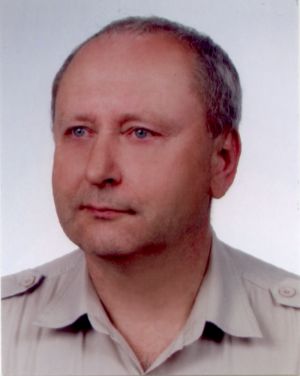

![Fot. #2 (J2 z [10]): Dr Jan Pajak w mostku po niebie z KLCC w Kuala Lumpur (grudzien 2002 roku)](pajak_jan/kl2.jpg)
![Fot. #3 (C3 z [10]): KLCC czyli Twin Towers z Kuala Lumpur: jeden z najwyzszych drapaczy chmur na swiecie](pajak_jan/kl1.jpg)
![Fot. #4 (1 z [9]): Czeslaw Pajak i Jan Pajak: Przysłowia Wschodu oraz z innych stron świata](pajak_jan/proverbs.jpg)